Exploring Ameribath: Modern Bath Design and Trends


Intro
In the world of home design, the bath space often gets sidelined, overshadowed by kitchens and living rooms. However, with the rise of Ameribath, there's a refreshing shift in how we perceive and experience our bathing environments. This guide aims to dig deep into Ameribath's innovative solutions that blend style with practicality, offering homeowners and design enthusiasts a pathway toward personalizing their bath sanctuaries.
Gone are the days when the bathroom was merely an afterthought. Instead, it now stands as a crucial space of relaxation and rejuvenation. As we venture through this article, we’ll explore modern trends, delve into functional enhancements, and touch on the historical context that shapes today’s bath culture.
By the end of this journey, readers will not only grasp the aesthetics involved in bath design but also how to integrate functional elements that suit their unique lifestyles. Whether you’re a house owner looking to upgrade your personal oasis or a DIY hobbyist seeking fresh ideas, the following sections are crafted for you.
Understanding Ameribath
Understanding the concept of Ameribath is akin to holding up a mirror to modern living, reflecting not only style but functionality. This section lays the groundwork for what Ameribath embodies – a fusion of elegance and practicality in bathroom design. It's essential to grasp how contemporary bath solutions have developed, as they do not merely serve a utilitarian purpose; they enhance our daily rituals, infusing life with a sense of tranquility and beauty.
Definition and Concept
At its core, Ameribath represents a distinctive approach to bathroom spaces that prioritizes both aesthetics and utility. The idea is to transform a mundane area into a personal oasis. The word itself combines elements of American culture with innovative bathroom design, signifying more than just a place to clean up. It's about creating a sanctuary where relaxation meets practicality.
One could say that Ameribath is not merely a trend but a response to the fast-paced lives many lead today. Homeowners seek spaces that offer a retreat from daily stresses, and Ameribath caters to that need by combining environmental psychology and design tenets that invite calmness and peace.
Essentially, you are not just updating a bathroom; you’re crafting a multi-sensory experience that envelops inhabitants in comfort and style.
Cultural Context
To fully appreciate Ameribath, it’s crucial to tap into the cultural currents that have shaped how we view bathing. Across history, bathing has evolved from a collective, communal activity to a solitary, personal ritual. This shift reflects broader societal changes, where privacy and personal space have become highly valued.
In many cultures, the act of bathing symbolizes purification and rejuvenation. One could see this echoed in cultures where the bathhouse is central to community life, offering more than hygiene; it serves as a venue for social interaction. In contrast, modern Ameribath designs often prioritize individualization, emphasizing bespoke elements that cater to personal tastes.
As society has become more health-conscious, the role of the bathroom has likewise evolved. Today’s bathing spaces incorporate technology aimed at enhancing well-being. From advanced water-saving fixtures to mood lighting, these innovations reflect an understanding that wellness is integral to the bathroom experience.
Evolution of Bathing Spaces
The evolution of bathing spaces from basic to sophisticated reflects broader architectural trends and technological advancements over time. In the early days, bathrooms were mere functional spaces, equipped out of necessity rather than out of an understanding of their potential.
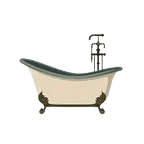
Gradually, the concept of the bathroom began to shift. With the introduction of indoor plumbing in the 19th century, a new paradigm emerged: the bathroom was no longer just about sanitation but also comfort and luxury. The emergence of bathroom fixtures such as the claw-foot tub or pedestal sink gave way to a myriad of styles, each reflecting the trends of their respective eras.
In recent decades, the focus has turned towards creating holistic environments. Current trends highlight an inclination toward open layouts that blend seamlessly with other living spaces, underscoring a lifestyle that values accessibility and interconnectedness.
Moreover, the introduction of eco-friendly materials and technologies has played a pivotal role in this evolution. Homeowners today are more informed and empowered to make choices that not only enhance their experiences but also align with their values regarding sustainability.
In sum, Ameribath represents a component of the continuous evolution of our living spaces, a reflection of our personal choices and cultural values. As we delve deeper into the specifics later in the article, understanding this foundational aspect sets the stage for exploring the innovations that have made Ameribath what it is today.
Design Principles of Ameribath
Design principles play a pivotal role in defining the essence of Ameribath. They bridge the gaps between functionality and aesthetics, ensuring that bathing spaces serve as both a sanctuary and a practical area. The strategies behind these principles help homeowners and designers alike create spaces that resonate with their personal tastes while also addressing the everyday needs of family life.
A great bath design does not simply spring from available space; it emerges from understanding the flow of human movement, comfort during use, and how light plays within the room. The foundations of Ameribath emphasize balancing these elements. By concentrating on both the aesthetic allure and functional utility, one can carve out a bathing oasis that speaks to relaxation and efficiency in equal measure.
Aesthetic Considerations
Color Schemes
Color schemes are much more than a collection of paint swatches; they shape the mood and atmosphere within a bath. Light and airy palettes tend to promote feelings of serenity, whereas deeper hues may convey a bit more drama. Neutral tones often serve as a canvas, allowing for accents to shine through, like through a pop of teal or a splash of coral.
The key characteristic of a well-chosen color scheme lies in its ability to reflect the homeowner's personality while promoting a sense of calm. Softer pastels could be a popular choice for those looking to create a rejuvenating environment, acting as a tranquil backdrop against which calming rituals can unfold. Meanwhile, bolder choices, like navy or emerald, may help to create a striking focal point in an otherwise minimalist setting.
One unique aspect to consider is how light interacts with color throughout the day. For instance, the way natural light pours in may change the appearance of a shade, transforming a warm ivory into a rich cream by afternoon. Adjusting the color scheme based on this variable can enhance or detract from the overall ambiance, making it an advantage for those mindful of their arrangements.
Materials Selection
When it comes to materials selection, the impact stretches far beyond aesthetics; it anchors the space in terms of durability, maintenance, and eco-friendliness. The choice between ceramic tiles, natural stone, or sustainable materials like bamboo often raises questions concerning longevity and care.
The key feature to consider in material selection is adaptability. High-grade porcelain tiles can withstand moisture and wear, making them a wise choice in both busy family settings and serene personal retreats. Conversely, more luxurious options, such as marble, while stunning, may introduce potentially higher maintenance requirements, presenting a double-edged sword.
Unlike mere decoration, the selection of materials brings functionality into focus. For instance, using sealed natural wood may add warmth and character but can also introduce risks if they are not appropriately treated for a humid environment like a bath. Weighing pros and cons in material choice helps homeowners curate a space that not only looks good but stands the test of time.
Integration of Artifacts
Integrating artifacts into bath design is a practice that elevates mere functionality into an art form. The elements brought into the space can speak volumes about the owner's journey and preferences, whether it's a vintage washbasin handed down through generations or contemporary art pieces that spark inspiration.
The standout characteristic of artifact integration lies in its potential storytelling. These pieces don't just serve operational purposes; they imbue the environment with character. A well-placed piece of pottery or a handcrafted shelf can create a visual narrative that resonates with anyone who steps into the space.
One distinct advantage is the personalized touch that artifacts provide, transforming a standard design into a unique reflection of individual style. Nevertheless, one must tread cautiously, as overcrowding with too many artifacts can clutter the space and take away from a soothing experience. Striking a balance between personal significance and spatial clarity is key to achieving harmonious integration.
Functional Arrangements
Space Optimization
In a world where we are all stretched for time and space, optimizing layout in the bath is paramount. Good design considers how every inch of space is used, ensuring nothing goes to waste. Smart arrangements can set the stage for convenience and improve how the space is experienced.
The crucial aspect of space optimization is multi-functionality. A bench installed within a walk-in shower can serve dual roles, providing a spot for relaxing bathing and a functional space for the essentials. Effective use of shelves and clever corner fixtures can also transform typically neglected areas into valuable storage.
Some may struggle with smaller baths, but here lies the beauty of optimization: it challenges designers to creatively transform functional needs into artistic solutions. While making the most of space is often beneficial, one must keep in mind that oversized fixtures may overwhelm the compactness, so it's imperative to choose wisely.
Accessibility Features
When it comes to bath design, accessibility isn’t merely an afterthought; it’s a fundamental consideration that ensures comfort and safety for all users. Features like grab bars and non-slip flooring can enhance the security of those who may have mobility issues or are simply looking to future-proof their homes.
The defining characteristic of accessibility features is inclusivity. By incorporating these elements into the design phase, the space becomes more user-friendly for everyone. For example, lowering countertop heights or installing walk-in tubs can cater to various needs, ensuring that all family members can enjoy the space.
While these components elevate safety, they also demand careful integration into the overall aesthetic. The challenge lies in combining functionality with beauty, making certain that accessible features don’t disrupt the visual flow of design. Hence, strategic placement and choice of materials are vital.
Efficient Fixture Placement
Efficient fixture placement acts as the backbone of practical bathroom design. This principle ensures that every component, from sinks to toilets, is positioned to enhance ease of movement, utility, and overall convenience.
Key to fixture placement is the concept of workflow. Fixtures need to be positioned in a way that minimizes redundancy during use. For instance, installing the toilet too far from the sink can create unnecessary inconvenience, disrupting the rhythm of daily rituals. Understanding local plumbing codes and recommended distances is essential here.
One unique advantage of thoughtful placement is the ability to create zones in a bath; distinct areas allow for smoother transitions between tasks. However, caution is advisable, as poor placement can lead to cramped conditions making daily routines unnecessarily strenuous. Careful planning and attention to detail can yield a bathroom that not only meets functional demands but also exceeds user expectations.
Technological Innovations in Bathing
The realm of bathing has seen remarkable transformations, driven largely by technological innovations. These advancements are not merely trends; they are essential elements that shape the modern bath experience. From enhancing comfort to promoting wellness and sustainability, technology serves as a bridge between aesthetics and functionality. Understanding these innovations can empower homeowners to make informed decisions about their bath spaces, ensuring that they reflect both personal style and contemporary efficiency.
Smart Bathing Solutions
Automated Shower Systems
Automated shower systems have become a game-changer in the world of bath design. These systems enable users to customize their showering experience with just a few taps on a screen. One of the standout features is the ability to set preferred water temperatures, flow rates, and even lighting—all suited to individual tastes. The primary contribution of automated showers is the enhancement of convenience; imagine stepping into a shower already set to your ideal temperature and water flow. This feature also stands out because it appeals to a range of users, from busy parents needing a quick rinse to those who revel in a spa-like experience.
The primary advantage of these systems lies in their user-friendliness. However, one drawback that some might encounter is the initial cost of installation and potential maintenance. Despite this, for many, the benefits far outweigh the costs, making automated shower systems a popular choice in contemporary bath spaces.
Temperature Control Devices
Temperature control devices are essential in creating a luxurious bathing experience. These devices allow for precise control over water temperature, ensuring a comfortable and safe environment. With the rise in awareness about water burns, especially in households with children or elderly members, these devices play a crucial role in safety. A key feature of temperature control systems is their ability to maintain a consistent temperature, eliminating the discomfort of sudden temperature changes while showering.
While these devices are highly valued for their functionality, one must also consider the potential concerns regarding energy consumption. Some models may demand higher energy usage, which can be an important factor for eco-conscious homeowners. Yet, the luxury they offer often seals the deal for many, making them a common inclusion in high-end bath designs.
Water Conservation Technologies
The push for sustainability permeates every aspect of modern living, and bathing is no exception. Water conservation technologies refer to various fixtures designed to minimize water waste without compromising performance. Low-flow toilets and showerheads, for example, significantly reduce water usage while maintaining functionality. These technologies are vital in addressing the increasing need for responsible water consumption in our daily lives.
An intriguing characteristic of these devices is that they often come fitted with monitoring features, which allow homeowners to track their usage patterns. This data can foster more responsible practices, contributing positively to the environment. Although some traditionalists might argue that low-flow technologies affect performance negatively, advancements in design have proven otherwise; newer models often perform just as well, if not better. Still, some users might find them to lack the same feel as older, traditional fixtures. Nonetheless, for those willing to adapt, these technologies represent a crucial step towards a sustainable future in bath design.
Wellness Integration
Hydrotherapy Solutions
Hydrotherapy solutions have redefined how we think about bathing. These setups employ water for therapeutic purposes, and can include everything from whirlpool baths to jets integrated into shower systems. The key aspect to note is their contribution to mental and physical well-being, providing relief from stress and muscle tension. Many homeowners are now prioritizing their health and wellness in their bathing spaces, making hydrotherapy a popular choice.
A significant feature is the ability to customize the water's intensity and temperature, catering to individual needs. Though hydrotherapy solutions can be an investment, their benefits can far outweigh the initial costs, especially for those seeking a spa-like experience at home. However, maintenance and space requirements can be drawbacks, potentially making them less feasible for smaller baths.
Chromotherapy Applications
Chromotherapy, or color therapy, utilizes colors to influence mood and promote relaxation. This innovative application has found its way into modern bathrooms, adding an engaging dimension to the bathing experience. By adjusting the lighting colors during a bath, users can create a soothing atmosphere, making time spent in the bath feel more restorative.
The unique feature of chromotherapy is its personalization. Homeowners can choose colors based on their emotional needs or preferences, transforming a bath into a rejuvenating retreat. One downside, however, is that the technology may require additional installation and can increase upfront costs. But for those willing to invest, it often results in a more immersive and enjoyable bathing experience.
Aromatherapy Enhancements
Aromatherapy enhancements are another important facet of the modern bath, focusing on the use of essential oils to promote relaxation and well-being. The integration of scent into the bathing routine can elevate any experience, making it more enjoyable and potentially more therapeutic. This is especially relevant in today’s fast-paced world, as many seek tranquility within their homes.
A notable characteristic of aromatherapy systems is their adaptability; they can be used in various forms—from diffusers to fixtures that blend essential oils into the water. While they provide a delightful sensory experience, some might find the need for regular oil purchases a bit inconvenient. Still, for those who prioritize wellness and relaxation, aromatherapy enhancements offer a profoundly enriching addition to any bath space.
Eco-Friendly Practices in Bath Design
In recent years, the conversation around eco-friendliness has taken center stage, especially regarding our homes. The bath is often overlooked when discussing environmental impact, yet it holds significant potential for eco-friendly practices that benefit both homeowners and the planet. Emphasizing sustainable materials and water efficiency isn't just for show; these practices can lead to healthier indoor spaces and reduced environmental footprints, making it essential for any modern Ameribath design.
Sustainable Materials
Bamboo and Recycled Products
When delving into sustainable materials for bath design, bamboo and recycling take the cake. Bamboo is known for its rapid growth and minimal environmental impact, which makes it a fantastic choice for flooring, cabinetry, and even decorative elements. A key characteristic of bamboo is its resilience, standing up well against moisture which is vital in a bathroom setting.
Beyond bamboo, recycled products—such as tiles made from waste materials—offer aesthetic appeal while mitigating landfill waste. The unique feature of these recycled options is their ability to provide a stylish look without the heavy environmental toll. However, it’s worth noting that some recycled materials might have limitations in terms of design options or durability compared to traditional materials.
Low-VOC Paints and Sealants
Next on the agenda are low-VOC paints and sealants, which play a crucial role in maintaining good air quality inside the home. VOC, or volatile organic compounds, contribute significantly to indoor pollution. Low-VOC alternatives are becoming increasingly popular as they offer similar durability and finish to traditional paints without the harmful effects. The standout quality of these products is that they dry quickly and emit fewer odors, making the renovation process much more pleasant.
However, there is a catch; some low-VOC paints can be pricier than their traditional counterparts. Homeowners will want to weigh the longer-term health benefits against the initial investment.
Energy-Efficient Fixtures
In the world of bath solutions, introducing energy-efficient fixtures has become paramount. These fixtures range from low-flow faucets to smart showerheads designed to minimize water usage while remaining effective. Their vital characteristic is the ability to significantly cut down utility bills while also conserving a precious resource. These fixtures not only deliver on functionality but often come in sleek designs that align with today’s aesthetic preferences.
A downside could be the upfront cost, as some energy-efficient products might require an investment that isn’t always budget-friendly at first glance, albeit they pay dividends over time through reduced water and energy bills.
Water Efficiency
Low-Flow Toilets and Showers
Moving into the realm of water efficiency, one cannot overlook the advent of low-flow toilets and showers. These fixtures have been designed with a singular mission: to reduce water waste without sacrificing performance. The defining feature of low-flow toilets is their ability to use significantly less water per flush compared to standard models, often using less than 1.28 gallons versus the typical 1.6 gallons.
Their popularity stems from the sheer volume of water they can save in a home, amounting to thousands of gallons per year. However, it’s important to note that some older models may not have sufficient pressure resulting in less effective flushing.
Rainwater Harvesting Systems
Another cutting-edge approach in water efficiency is the rainwater harvesting system. This system collects and stores rainwater from rooftops for later use in irrigation and, in some cases, bathroom flushing. The primary benefit of harvesting rainwater is that it provides a sustainable source of water, thereby lessening reliance on municipal systems.
The unique feature of this system is the ability to save homeowners money on their water bills while also benefitting local ecosystems. There might be local regulations or upfront costs associated with installation, which are considerations homeowners need to keep in mind.
Greywater Recycling
Greywater recycling is an innovative way to reuse water from sinks, showers, and laundry, essentially redirecting it for irrigation purposes. This method contributes both to sustainability and cost-saving measures by reducing the overall demand for fresh water. The key characteristic here is the filtration systems that ensure the recycled water is safe for non-potable uses.
One advantage is that homeowners can see a noticeable drop in their water bills. However, some might question the initial setup costs and maintenance required to keep the system running smoothly.
Employing eco-friendly practices in bath design not only brings aesthetic appeal but also aligns with modern values of sustainability and responsibility towards the planet.
Personalization of Bath Spaces
Creating a bath space that truly feels like your own can dramatically elevate your home’s atmosphere. Personalization is not just about aesthetics; it’s about transforming a mere function into an experience that resonates with who you are. By tailoring details to reflect individual tastes and memories, you can turn your bathing area into a sanctuary where relaxation meets inspiration.
When one thinks of personalized spaces, it might be easy to overlook the intricate details that often matter most. Simple choices such as colors, textures, and the arrangement of elements all contribute to the overall vibe. Here are some key aspects to consider when personalizing your bath spaces:
- Emotional Connection: A space filled with personal touches evokes feelings of comfort and nostalgia.
- Functionality Meets Style: Personalization can improve the functionality of your bath while keeping the design appealing.
- Unique Identity: It sets your space apart from others, making it unmistakably yours.
DIY Projects
Custom Shelving Solutions
Custom shelving is an incredible way to integrate functionality into your bath while adding flair. Unlike mass-produced shelves, custom options can be tailored to fit specific spaces, ensuring that every inch works hard for you. This kind of solution is beneficial because it allows for a personal reflection of one’s style.
Key Characteristics: Custom shelving fits perfectly into awkward corners or above bathtubs, maximizing every nook.
Advantages:
- You get to choose the materials and color, aligning it with your existing decor.
- It can be designed to hold items that you cherish or use frequently, such as fragrant oils or books.
However, one must consider the potential disadvantages. Custom work can sometimes be pricey and require careful planning.
Personalized Decor Ideas
Personalized decor offers boundless opportunities for self-expression. Adding initialed bath towels or framed photographs can infuse warmth and intimacy into a sometimes sterile environment. It brings together memories, experiences, and a snapshot of life.
Key Characteristics: The unique feature of personalized decor lies in its singularity—it reflects the owner’s journey and preferences.
Advantages:
- Creates an inviting atmosphere that speaks to your identity.
- Enhances the emotional value of the space, making it feel more welcoming.
On the downside, it can sometimes become overwhelming if too many different elements clash visually.
Handmade Bath Accessories
Handmade bath accessories not only support artisans but also provide a personal touch often missed in mass-produced items. Think soap dishes made from local clay or batik-patterned towels. When you use handmade items, you contribute to a story, a connection, and that feels rewarding.
Key Characteristics: Handmade items appear unique in craftsmanship, which separates them from commonplace accessories.
Advantages:
- Often stronger or more durable than their factory-made counterparts.
- Can represent a deeper sense of sustainability and care.
Nonetheless, while they can embody a personal touch, one must ensure that they are appropriately designed for bathroom conditions, which can be humid and require careful maintenance.
Incorporating Personal Elements
Family Heritage Decor
Bringing family heritage into decor is akin to weaving a rich tapestry within your bath space. Items like heirloom pottery or vintage photographs can create a strong sense of place and belonging. This incorporation helps tie generations together within your own private sanctuary.
Key Characteristics: Family heritage decor often boasts unique aesthetics and stories that make them irreplaceable.
Advantages:
- It facilitates storytelling and bonding over shared histories.
- Makes your bath space a reflection of collective family essence.
However, it’s crucial to curate these items carefully. Too many may clutter the space and dilute their significance.
Travel-Inspired Themes
Incorporating travel themes brings a sense of wanderlust into a static space. Whether it’s a towel set from a beach in Mexico or tiles boasting Moroccan patterns, each item can tell tales of adventures and experiences.
Key Characteristics: Travel-inspired decor can transport the mind to far-off destinations.
Advantages:
- Evokes pleasant memories and a yearning for exploration, enhancing relaxation.
- Offers an eclectic, vibrant aesthetic that can revive the spirit.
That said, mish-mashed styles without cohesion can lead to a senseless jumble rather than a curated experience, demanding careful selection.
Personal Collections
Personal collections can add a touch of individuality and charm to bath spaces. Whether it's a series of vintage postcards or a collection of unique bottles, these items can serve as conversation starters while making the space feel distinctly yours.
Key Characteristics: Personal collections are markers of one's tastes and interests, providing depth to the design.
Advantages:
- They instill a sense of pride and ownership over your space.
- Encourages regular updates as your tastes evolve and change.
On the flip side, collections need careful display to avoid overwhelming the senses, requiring thoughtful arrangement and placement.
Personalizing your bath space doesn't just make it visually appealing; it transforms it into a sanctuary that tells your unique story.
Trends in Modern Bath Design
In the ever-evolving landscape of home design, bathroom spaces have transformed significantly. A well-designed bathroom does not merely serve practical functions; it enhances our daily experiences and reflects our personal style. This section will delve into the latest trends that are shaping modern bath design, offering insights on how to incorporate these elements into your own home.
Minimalism and Clarity
Minimalism has become a cornerstone in modern bath design, promoting simplicity, clean lines, and an uncluttered space. In an age where people often feel overwhelmed, a minimalist bathroom offers a serene escape.
Some quintessential features of minimalist bath designs include:
- Neutral Color Palettes: Shades of white, gray, and soft pastels create a calm atmosphere that enhances the feeling of spaciousness.
- Simple Fixtures: Choosing streamlined fixtures, such as wall-mounted taps and floating vanities, contributes to the uncluttered aesthetic.
- Functional Layouts: Arranging elements to maximize space and accessibility is paramount. Prioritizing what is truly necessary helps eliminate distractions.
Adopting minimalism also extends beyond aesthetic choices. It’s about prioritizing quality over quantity, investing in fewer but more functional and beautiful pieces. It's a philosophy that resonates with those seeking to simplify their lives while elevating their home environment.
Nature-Inspired Elements
Bringing nature indoors has become increasingly popular, and the bathroom is no exception. Nature-inspired design focuses on creating an organic feel, promoting relaxation and well-being. The following aspects are vital for incorporating natural elements into bath spaces:
- Natural Materials: Using stone, wood, and bamboo can make a great impact. Consider a wooden vanity or stone tiles that mimic the feel of being in a tranquil outdoor setting.
- Plants and Greenery: Introducing low-maintenance plants such as snake plants or ferns can purify the air and add a splash of color. Plants can thrive in bathrooms, especially those with natural light.
- Natural Light: Maximizing light through well-placed windows or skylights not only brightens the space but also connects it to the outside world.
Natural designs cater to the senses; the textures, colors, and scents can make bathing a holistic experience, turning a chore into a moment of retreat and rejuvenation.
Mixed Styles and Eclectic Approaches
Modern bathrooms are increasingly reflective of individual tastes, mixing styles to create unique spaces. The eclectic approach allows homeowners to combine different design influences, from contemporary to vintage, seamlessly. Here are some ways to achieve this:
- Layering Textures and Patterns: Combining various materials like matte finishes with glossy surfaces or pairing bold patterns with minimal elements can add depth.
- Monochromatic Themes with Pops of Color: Stick to a basic color scheme while injecting bold accents through accessories or fixtures. For example, a sleek black-and-white bathroom can come alive with vibrant towels or artwork.
- Repurposing Vintage Finds: Incorporating vintage items such as an old dresser as a sink vanity blends history with modern conveniences, offering a personalized touch.
Eclectic designs encourage creativity. They allow for a playful exploration of personal expression, combining nostalgia with modernity, creating spaces that tell a story.
A bathroom is more than just a utility space; it's a sanctuary designed for relaxation and rejuvenation.
Culmination
The topic of bath design plays a crucial role in the evolving landscape of modern wellness and functionality. As we have explored through this guide, Ameribath embodies the intersection of aesthetic elegance and practical efficiency within bath environments. It’s not just about having a space to wash; it is about creating a personal oasis where one can recharge.
Reflections on the Ameribath Experience
Reflecting on the Ameribath experience offers more than just a casual glance at bathroom aesthetics; it prompts a deeper understanding of how these spaces can profoundly affect well-being. The deliberate choices in design—ranging from the soothing colors to the gentle materials—invite a sense of calm and tranquility.
Homeowners who have invested in Ameribath principles often share that their bathing experience transforms into a momentary escape from daily life. It’s an environment where self-care takes center stage. From incorporating natural light that enhances the feeling of openness to choosing fixtures that not only look good but also promote water saving, these decisions impact both emotional and environmental happiness. The amenities introduced through Ameribath speak to the modern homeowner's desire for spaces that promote both beauty and function.
Future Directions in Bath Design
Looking towards the future of bath design, one can see a gradual shift towards even more integrated technology and user personalization. Innovations such as smart bathing technologies—like automated systems that remember your preferred shower temperature or lighting—are quickly becoming staples. We can foresee personalized solutions that cater specifically to individual needs, evaluating comfort and health.
Moreover, as sustainability continues to gain traction, the bathing space will increasingly reflect eco-consciousness. Future designs are likely to focus on metamorphic concepts where spaces can adapt to different needs throughout the day.
In summary, Ameribath is not merely a trend but a forward-thinking approach to an essential aspect of daily living. Homeowners now recognize the importance of investing in such spaces as they contribute to overall wellness, environmental responsibilities, and the creation of personal retreats within the home. As the exploration of bath solutions continues, the horizon seems brighter for those who embrace the ever-changing landscape of design.