Comprehensive Guide to Bathroom Tub Leak Solutions
Intro
Bathroom tub leaks can be a silent menace in any home. They often sneak up on unsuspecting homeowners, manifesting as unsightly stains or peeling paint on ceilings, typically appearing when one least expects it. Understanding the origins and impacts of these leaks is crucial for preserving the beauty and structural integrity of your living space.
In many households, the bathroom serves as a personal sanctuary, a space for relaxation and rejuvenation. However, an unseen leak can turn this haven into a source of stress. This article aims to shed light on how to spot, assess, and address leaks effectively. Using practical examples and clear guidelines, it targets housewives and homeowners who may find themselves grappling with this pervasive problem.
From identifying early signs of trouble to discussing possible solutions, we'll explore tools and techniques to help you manage the situation. You’ll be equipped with actionable insights that empower you to maintain not just the functionality but also the aesthetic appeal of your bathroom, ultimately enhancing your overall living environment.
Whether you are a homeowner or tenant, recognizing the nuances of bathroom tub leaks is essential. Join us as we navigate through the complexities of this issue, ensuring your space remains both beautiful and resilient against water damage.
Prelims to Bathroom Tub Leaks
Bathroom tub leaks can quietly wreak havoc in a home, often going unnoticed until significant damage has already occurred. For many homeowners and renters, understanding these leaks is crucial to maintaining their living spaces. A leak might start as a minor inconvenience, but left unchecked, it can escalate into a costly headache, compromising both the structural integrity of the property and the aesthetic aspects of its design.
It's essential to recognize that leaks can originate from various sources within the bathroom tub area. Each leak comes with its own set of complications—a faulty seal, a plumbing problem, or even the material of the tub itself could be the culprit. Understanding these potential triggers helps homeowners and housewives take preemptive measures to avoid them.
The key here is proactivity. Knowing how to spot and address the signs of leaks not only preserves the home’s beauty but also significantly cuts down on repair costs. An early detection could mean the difference between a simple fix and a major restoration project. With countless hours spent maintaining the home's appearance, it’s disheartening to see damage caused by something that could have been managed with a little knowledge.
"A stitch in time saves nine." This old saying rings particularly true when it comes to plumbing issues.
Addressing tub leaks not only enhances the living conditions but also contributes to the overall value of the home. An informed homeowner makes better decisions, whether it involves purchasing quality fixtures or carrying out regular maintenance checks. This article aims to equip readers with usable insights, enabling them to keep their bathrooms functional and visually appealing.
Common Causes of Leaks
Understanding the common causes of leaks is pivotal in navigating the challenges posed by bathroom tub leaks that make their way through ceilings. This topic underscores the foundation of effective prevention and repair strategies. When you delve into the reasons behind these leaks, it becomes clear that early detection can save a homeowner both time and money. Without this knowledge, leaks may go unchecked, leading to extensive water damage that could compromise the structural integrity of a home.
Worn-out Seals
One prevalent culprit for leaks lies in worn-out seals. These seals may seem trivial, but they play a vital role in keeping water where it belongs. Over time, exposure to water and the elements can cause them to degrade, crack, or even peel away. Consider the tub-to-wall seam, often made of silicone sealant. If this area is not regularly checked, it may slowly allow water to escape.
If you notice a gap forming or if the existing seal looks crumbly, it's time to take action. Replacing seals might seem like a small task, but it can prevent bigger headaches down the line. Make sure to often inspect these areas and apply fresh sealant when necessary, helping maintain a moisture-free environment in your bathroom.
Faulty Plumbing Connections
Faulty plumbing connections also get a high score on the leak list. When pipes are improperly connected or damaged, the aftermath is often disastrous. Think about how many fittings and joints are involved in a typical bathtub setup; each connection represents a potential point of failure.
In many cases, leaks from faulty connections happen slowly, trickling out water that may go unnoticed until stains start to appear on the ceiling below. To mitigate risk, ensure that connections are tight and regularly examined. If you're unsure, don't hesitate to consult a professional to audit your plumbing setup. It's often wiser to invest in frequent inspections rather than allowing a small mistake to balloon into a larger financial burden.
Damaged Tub Material
Tub material damage can be a silent villain in the leak saga. Whether it's a chip, crack, or a full-blown hole in the tub, issues can arise from excessive wear, impacts, or even poor installation practices. Acrylic and fiberglass tubs, in particular, can suffer from cracks due to thermal stress, while porcelain might chip over time under the daily rigors of use.
Repairing this issue can vary in complexity. Often, if caught early, simple epoxy repairs can suffice. But left unchecked, these damages can escalate, demanding replacement or even significant structural repairs. Regular inspections can help identify these issues early, preventing water from taking the lead in causing further degradation.
Clogged Drains
Clogged drains not only disrupt the flow of water, but they can also lead to disastrous leaks. When water isn’t draining properly, it can back up and seep from joints and connections not designed to withstand pressure. Hair, soap scum, and miscellaneous debris can all contribute to this very common problem.
Maintaining a clear drain is not just a matter of personal comfort, but rather a matter of structural safety. Using drain guards, periodically clearing out debris, and regular cleaning with safe methods can go a long way. Frequent maintenance also saves time and effort whenever you’ll need to deal with other plumbing issues.
Condensation Issues
Sometimes, the leak isn't caused by an external source at all; rather, it can stem from condensation issues. In poorly ventilated bathrooms, warm humid air can condense on cooler surfaces, leading to water pooling on the ceiling or walls. Over time, this can damage paint, weaken structural elements, and create an inviting environment for mold to thrive.
Proper ventilation is key in combatting these issues. This might involve ensuring that exhaust fans are functioning correctly, or it could mean opening windows during showers. Awareness of high humidity levels should also be a priority, especially in high-use bathrooms.
Understanding these common causes equips homeowners with the knowledge to prevent and respond effectively to leaks. By taking proactive approaches, many of the challenges associated with bathroom tub leaks can be significantly reduced, safeguarding both the aesthetic and structural aspects of one’s living space.
Identifying the Symptoms
Identifying the symptoms of bathroom tub leaks is a vital step in maintaining the integrity of your home. These early indicators can save homeowners and renters alike considerable hassle, expense, and stress. If you're vigilant about spotting these signs, you can often intervene before minor leaks become major headaches.
Awareness of the symptoms also enables you to determine the extent of the damage. For instance, while one might initially think a small stain is merely cosmetic, the reality could point toward more severe issues looming underneath the surface, such as weakened structures or electric wiring complications. In many cases, taking prompt action leads to effective resolution without the need for extensive repairs.
Water Stains on Ceiling


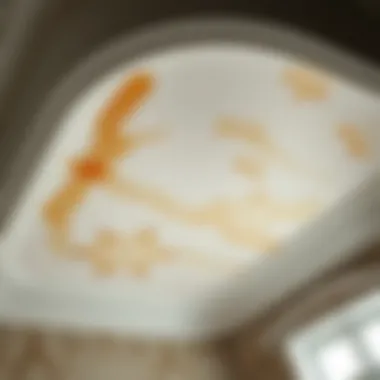
Water stains on ceilings often show up as yellow or brown blemishes, lurking overhead like a warning sign. These stains indicate that water has leaked through from the bathroom, possibly from the tub or associated plumbing. It's crucial to address these stains quickly. Not only do they impact your home aesthetic, but if left unchecked, they can lead to more severe problems, such as ceiling collapse.
Furthermore, if you see those stains forming in a relatively short period after heavy use of the tub, it could suggest ongoing leaks that need immediate repair. Regularly checking your ceilings can prevent long-lasting damage and ensure your living environment stays safe and visually appealing.
Peeling Paint or Wallpaper
Peeling paint or wallpaper can serve as another telltale sign that moisture is seeping through. The lack of adhesion caused by excess wetness can lead to bubbling and eventual peeling, which is not just an eyesore—it underscores a potential water intrusion problem. If your bathroom ceilings start looking like they’re shedding their skin, it may be time to investigate.
Besides being functionally disruptive, this symptom can easily lead to molds and other fungi if moisture hangs around too long. Fixing the cause of the leak and re-sealing your surfaces is essential after addressing these symptoms. Ignoring signs may lead to more tedious renovation later on.
Mold Growth
Mold growth is particularly alarming and needs no introduction. It thrives in damp environments and can be a clear indication of lingering moisture due to leaky tub connections or damaged plumbing. Mold can develop rapidly if conditions are right, making it critical to act if you notice even a slight presence.
Mold not only poses serious health risks but also implies more extensive damage behind the walls or ceilings, possibly requiring the expertise of professionals. If you see clusters of black spots or greenish patches, it's time to roll up your sleeves and start investigating further. It's not just about aesthetics; it's about safeguarding your health and your home.
Increased Humidity Levels
Lastly, keep an eye out for increased humidity levels in your home. If you find that the air feels damp and stuffy, with condensation forming on windows or mirrors, you could be dealing with an underlying leak issue. This can occur without visible water marks or stains, leaving homeowners bewildered.
Elevated humidity can contribute to even more pervasive issues, like mold growth and peeling wallpaper, hence the need for prompt attention. Devices such as hygrometers can help you easily measure indoor humidity levels. Maintaining a balance not only keeps your home comfortable, but can also prevent long-term damage and protect your investment.
"A stitch in time saves nine." Taking prompt action when you spot any of these symptoms is critical—don’t let a small leak turn into a big disaster.
Assessing the Damage
When it comes to bathroom tub leaks that find their way through ceilings, assessing the damage is a critical step not to be overlooked. Ignoring this phase can lead to further complications down the line, so it’s crucial to inspect both the structural and aesthetic elements carefully. The importance of this evaluation can't be stressed enough, as it lays the groundwork for everything that follows, including repairs and long-term maintenance strategies. By understanding how leaks affect various aspects of your home, you position yourself to make informed decisions.
Inspecting Structural Integrity
The first part of assessing damage involves getting up close and personal with the structural integrity of your ceilings and surrounding areas. Water damage can weaken beams, joists, and drywall, making it imperative to keep a keen eye on these critical components of your house. A sagging ceiling or soft patches can be immediate red flags. If the wood feels spongy when you press against it, that's a sign that moisture has infiltrated and that mold may be lurking nearby.
- Check for sagging ceilings: These can indicate extensive water damage.
- Look for mold growth: Black spots or discoloration suggest moisture issues and the need for urgent attention.
- Assess wood integrity: If sections of wood feel soft, replacement is often necessary.
Taking the time to inspect these elements helps you understand not just the immediate damage but also the potential for future issues if repairs aren’t made promptly. In some cases, it may even require the expertise of a contractor to assess whether load-bearing structures have been compromised.
Evaluating Aesthetic Impact
Now, let’s not forget about the visible side of things. When a leak occurs, it not only poses risks structurally but also leaves its mark aesthetically, often diminishing the charm of your bathroom and adjoining areas. Stains on ceilings or walls can quickly become eye-sores. If you've noticed paint bubbling or peeling, then there’s no doubt that water has made itself at home where it shouldn't be. These aesthetic cues are important because they can affect your home’s ambiance and resale value.
- Identify water stains: Yellowish or brown patches signal where leaks have made their impact.
- Monitor paint and wallpaper issues: Bubbles or peeling wallpaper indicate moisture behind the surface.
- Consider the broader effects: Damaged aesthetics can detract from the overall appeal of your curated space.
Addressing aesthetic damage can be just as essential as structural repairs, especially if you plan on hosting guests or putting your house on the market. Don't just cover it up with a coat of paint; see if the issue runs deeper, lest what looks like a minor fix turns into a major headache later!
Long-term Consequences of Neglect
Finally, the long-term consequences of ignoring the signs of a tub leak can be dire. Beyond immediate aesthetic and structural issues, you might face hefty bills down the line if the problem escalates. Prolonged exposure to moisture can lead not only to mold health problems but also to major renovations that might have been avoided with timely action.
- Mold: Beyond unsightliness, mold can pose health risks and create unsafe living conditions.
- Structural Collapse: Ignoring water damage can lead to weakened structures, resulting in possible cave-ins.
- Higher Repair Costs: Attempting to fix severe damage after neglect may cost far more than early repairs.
Remember, prevention is always better than cure. Identifying leaks early and taking swift action means saving both money and strife in the long run. Essentially, a stitch in time saves nine, right? By keeping an eye on both structural and aesthetic impacts, you ensure that your living environment remains not just functional but also welcoming.
Immediate Actions to Take
Bathroom tub leaks can often appear suddenly and lead to a series of complications if not addressed quickly. The significance of taking immediate action cannot be emphasized enough. Swift responses not only help to mitigate further damage but also save time and financial resources down the line. Here are some crucial steps every homeowner should know when facing such a dilemma.
Shut Off Water Supply
The very first thing you should do when you discover a leak is to shut off the water supply. This action prevents any additional water from exacerbating the existing problem, allowing you to assess the situation more effectively. Most homes have a main water valve that can be turned off, which stops water flow throughout the house. In case the leak originates from a specific fixture, find the nearest shut-off valve and turn it off.
The logical flow from stopping the source of the water makes this step critical. Avoiding more water damage will save you from potential complications like mold growth or damaged ceilings. It’s a classic case of stopping the bleeding before you can bandage the wound.
Contain and Minimize Damage
Next up is containing and minimizing damage. After shutting off the water, focus on managing the area affected by the leak. If possible, use towels or buckets to catch excess water, preventing it from spreading to other areas in your home. Remember, every drip matters!
Additionally, you may want to ventilate the space by opening windows or using fans to help dry out moisture quicker. This step can play a pivotal role in mitigating the chances of mold and mildew development, which can set in faster than you might think.


- Inspect the immediate area for furniture or personal belongings that could be at risk of water damage.
- Move items away from the leak if it’s safe to do so.
- If you see any bubbling in paint, soft textured areas, or visible moisture, prioritize those spots for drying as they could indicate deeper issues.
Taking these actions shows just how important it is to keep a cool head under pressure; think strategically, like a general planning an attack!
Documenting the Incident
Lastly, don't neglect the necessity of documenting the incident. Take photographs or videos of the situation to have a clear record of the impact of the leak. This documentation can serve multiple purposes. For one, it provides you with proof in case there are disputes with your insurance provider regarding claims.
Also, this can help contractors or professionals assess the damage and propose effective solutions. A well-documented leak incident can be your golden ticket in getting right assistance efficiently, as it highlights the extent of the damage, making any repairs or replacements more straightforward.
In a world where every click counts, a picture can really say a thousand words—if you need to make a claim later, you’ll be glad you took that extra step!
In summary, knowing what actions to take immediately can be the difference between a minor fix and a costly repair. Focus, work through these steps, and you’ll navigate the stormy waters of home repairs with more grace than a seasoned sailor.
When to Seek Professional Help
Encountering a bathroom tub leak can be a daunting experience. Many homeowners may wonder if they can tackle the issue themselves or if it's time to call in the professionals. There’s a fine line between small do-it-yourself fixes and situations that demand expert intervention. Recognizing when to seek professional help is crucial not just for resolving the immediate problem, but also for preventing future disasters that could lead to costly repairs or extensive damage.
Identifying the Need for Experts
The first step in determining whether to hire a professional is to assess the complexity of the leak. Here are a few signs that indicate the need for expert assistance:
- Persistent Water Accumulation: If water continues to seep through the ceiling or walls despite your attempts to fix leaks, it could be a sign of an underlying plumbing issue that needs specialist tools and knowledge.
- Structural Damage: Any signs of rot, warping, or unstable walls should never be ignored. Structural integrity can be compromised, and experts must often step in to assess and repair significant issues to ensure safety.
- Complex Plumbing Systems: If your bathroom’s plumbing system includes multiple connections and fixtures, such as a shower, tub, or sink, and any one of these is leaking, it can be challenging to locate the source without professional help.
- Mold Growth: Mold can grow in hidden areas, and while removing surface mold can be done by you, if there’s substantial growth, it’s better to call in professionals who can also address the underlying cause of moisture.
By knowing when a problem extends beyond your expertise, you protect your home and your peace of mind. Professionals can diagnose more severe issues effectively, ensuring that you don’t miss anything crucial.
Choosing the Right Contractor
Navigating the world of contractors can feel overwhelming, but selecting the right one is vital for successful repairs. Here are several considerations to keep in mind:
- Check Credentials: Always verify that the contractor is licensed and insured. This protects you from liability in case of accidents during the job.
- Seek Recommendations: Word-of-mouth can be an effective guide. Talk to friends, family, or neighbors who have had similar plumbing issues, and request their opinions on the contractors they used.
- Read Reviews: Websites like Yelp or Angie’s List can provide insights into a contractor’s reliability and quality of work. Look for consistent positive feedback.
- Request Multiple Estimates: Comparing prices isn’t just about cost; it can help you gauge what’s reasonable for your area. Different contractors may offer varied approaches and warranties, allowing you to choose the best fit for your needs.
- Assess Communication: A contractor who explains processes clearly, listens to your concerns, and answers your questions respectfully often indicates a professional who values client relationships.
Obtaining tailored repair services hinges on making informed decisions while choosing professionals.
"The right contractor not only resolves leaks but builds a relationship of trust with the homeowner."
Repair Solutions
Repair solutions are crucial for addressing bathroom tub leaks effectively. They offer a structured approach to identify, fix, and prevent further damage, ensuring both safety and aesthetics in your living spaces. The article aims to equip homeowners and housewives with practical, actionable insights on repairing these leaks and maintaining their bathrooms in a sound condition.
DIY Repair Techniques
Sealant Application
Sealant application is often the first line of defense against leaks. Applying a high-quality sealant can significantly prevent water from escaping through cracks or gaps in your bathtub. One key characteristic of sealants is their ability to adhere to various materials, ranging from porcelain to fiberglass. This versatility makes it a popular choice in the world of DIY repairs.
A unique feature of sealants is that they can fill small voids and create a waterproof barrier, which is beneficial in stopping leaks before they escalate. However, one should consider that while sealants are easy to apply, they require regular inspection, as they can wear out over time.
Pipe Insulation
Pipe insulation plays an essential role in maintaining the integrity of plumbing. By insulating your pipes, you can prevent heat loss and keep them from sweating — a common cause of condensation-related leaks. A key characteristic of pipe insulation is its ability to regulate temperature and minimize condensation, making it a worthwhile investment in preventing leaks.
The unique advantage of pipe insulation is that it adds a layer of protection against freezing in colder months, which can lead to cracking and eventual leaks. On the downside, improper installation or insufficient insulation thickness can lead to failure, making it important to adhere to guidelines during application.
Professional Repair Options
Plumbing Services
When the situation calls for extensive work, plumbing services come into play. Professional plumbers are equipped with the knowledge and tools to assess serious issues that may not be immediately visible. One key characteristic of plumbing services is their comprehensive diagnostics. Many homeowners find that hiring a professional leads to quicker fixes and long-term solutions.
A unique feature of professional plumbing services is the warranties they often provide, covering repairs for a set period. The downside can be the cost; hiring an expert often comes with a bill that may sting a bit, but in most cases, the peace of mind is worth the investment.
Structural Repairs
Sometimes leaks lead to structural damage that requires careful attention. Structural repairs can range from repairing joists to replacing sections of drywall or even flooring. The key characteristic of these repairs is their direct impact on the overall safety and functionality of your home.
A unique aspect of structural repairs is the skill level required, often necessitating specialized labor. While these repairs can be costly and time-consuming, they ensure the longevity and safety of your home. The downside is disruption; repairs can lead to a mess and potentially affect your daily routine, but tackling them head-on can ultimately save you from bigger headaches down the line.
"By addressing leaks promptly with either DIY or professional solutions, homeowners can maintain the beauty and integrity of their living spaces."
Effective leak repair is not just about fixing problems; it’s about fostering a home environment that remains beautiful and safe.
Preventive Measures
Preventing bathroom tub leaks is essential not just for the immediate comfort of your living space but also for the long-term integrity of your home. Addressing issues before they develop into major problems can save financial strain and physical headaches down the line. Preventive measures create a shield against leaks that could later damage ceilings or other integral parts of your home.


Regular Maintenance Checks
Regular maintenance checks are like preventative medicine for your bathroom. Checking the plumbing and seals periodically ensures that minor issues don’t snowball into major headaches. Look for obvious signs such as moisture buildup or visible water stains.
- Inspect Seals: Regularly check the seals around the tub. These can wear down due to humidity and temperature fluctuations. A little bit of caulk can go a long way in maintaining waterproof barriers.
- Examine Pipes: Give the pipes a once-over. Look for corrosion, which can signal a slow leak that’s not immediately obvious.
- Check the Drain: Clogs can lead to backup and overflow issues, potentially causing leaks. Keeping the drain clean can hamper water from pooling and causing damage.
By consistently monitoring these areas, the chances of a severe leak diminish significantly, ensuring a safer environment.
Investing in Quality Fixtures
You wouldn’t buy a top-notch car and fill it with cheap gas, right? The same principle applies to bathroom fixtures. Investing in quality faucets, tub fittings, and fixtures can be a game changer. They often come with better warranties and are constructed to resist wear and tear.
- Durability: High-quality materials are less likely to fracture or develop leaks over time. Think brass fittings instead of plastic for superior longevity.
- Efficiency: Premium fixtures often have better designs that limit water use and reduce your likelihood of leaks.
- Aesthetic Appeal: Besides function, quality fixtures enhance the visual appeal of your bathroom.
Water-efficient Options
Emphasizing water-efficient options is not just trending; it’s a smart long-term choice. Not only do they help the environment, but they are also more robust against leaks due to their simplified designs.
- Low-Flow Fixtures: These fixtures aim to minimize water consumption while maintaining adequate pressure, which can help prevent leaks and reduce utility bills.
- Smart Showers and Taps: Some modern devices adjust their water flow based on real-time demand. With less water moving through the pipes, there's less chance of leakage.
- Regular Calibration: Make it a habit to calibrate and maintain these devices to ensure they’re functioning optimally.
In summary, preventive measures play a crucial role in maintaining the integrity and beauty of your bathroom space. Regular checks, investing in quality fixtures, and opting for water-efficient solutions not only help to stave off leaks that can wreak havoc on ceilings but also contribute to the overall efficiency and appeal of your home.
Understanding Insurance Implications
Bathroom tub leaks can create a host of problems that reach beyond the immediate water damage. One critical aspect often overlooked is the insurance implications connected with these leaks. Understanding how your insurance works can save you a significant amount of trouble and money in the long run. The right insurance can be your shield against unexpected expenses, especially when dealing with repairs that arise from leaks.
Homeowners Insurance Coverage
For homeowners, having a comprehensive insurance policy is crucial. Most homeowners insurance typically covers sudden and accidental water damage. However, there are nuances that need consideration.
- Check your policy: Not all policies cover gradual leaks or damage caused by neglect. If your bathtub has developed a persistent leak that has gone unnoticed, this might not be covered under standard homeowners insurance.
- Detailed records: Keep a record of any maintenance related to your tub. Document things like installation dates, repairs, and replacements. This can help when filing claims. Sometimes, insurance companies require proof of good maintenance practices.
- Consult your agent: Different insurers have differing policies on what’s covered. Dreams of quick claim settlements can shatter if expectations do not align with the policy terms. Always have a chat with your insurance agent to clarify coverage specifics on bathroom leaks.
For instance, if you discover your tub leak has damaged the ceiling below, your homeowners insurance may cover repairs — but only if you can prove that the leak was sudden and not something that had been building over time.
Renter’s Insurance Considerations
For renters, the insurance landscape looks a bit different. Most renters think of insurance as peace of mind for stolen goods. Yet, renter’s insurance can also help you in dealing with water damage that seeps from your upstairs neighbor’s leaking tub.
- Liability aspect: It’s vital to understand that while your renter’s insurance may not cover the damage to the property itself, it can protect your personal belongings adversely affected by a leak. If your favorite rug is ruined by water from a ceiling leak, that’s where renter’s insurance can step in assuming the policy covers such damages.
- Communication with the landlord: Talk to your landlord about the insurance policy they have in place. If you’re renting, the landlord must maintain the property, including plumbing and structural concerns. Awareness of their coverage can help you navigate situations should something go wrong.
- File swift claims: In the event that something goes awry, document everything. Pictures of the damage, records of discussions with your landlord, and copies of your insurance will hold you in a good spot should you need to file a claim.
Understanding these insurance implications ensures that you’re not left holding the bag when leaks happen. Nobody wants to deal with the fallout from a bathroom tub leak, but being prepared means you have one less thing to worry about.
Long-term Care and Considerations
Addressing bathroom tub leaks is not just a one-time concern; rather, it’s about fostering a proactive approach to long-lasting solutions in your living space. Over time, the cumulative effects of leaks—be it minor drips or major flooding—can wreak havoc on both the integrity of your home and your peace of mind. Thus, long-term care and considerations become essential elements in maintaining a leak-proof environment and preserving the elegance of your bathroom.
Maintaining a Leak-free Environment
To keep leaks at bay, consider the following strategies:
- Regular Inspections: Schedule periodic checks of your tub and plumbing system. Look for worn seals or any signs of erosion. Just like a car requires routine maintenance, so does your bathroom setup.
- Sealant Checks: Inspect caulking around the tub regularly. If it appears cracked or peeling, it's time to reapply sealant. This simple step can prevent future leaks from occurring.
- Monitor Water Usage: Paying attention to unusual spikes in your water bill can alert you to hidden leaks early. Every drop counts, and awareness is key.
- Humidity Control: Leaks can sometimes be exacerbated by high humidity. Installing an exhaust fan can significantly help in reducing moisture and prevent condensation-related issues. Always better to nip it in the bud, if you catch my drift.
These actionable steps not only improve the functionality of your bathroom but also prolong the lifespan of your fixtures and structures, saving you money in the long run.
Renovation as a Solution
In some cases, simply maintaining the current setup might not suffice. Renovating your bathroom could provide a long-lasting solution to leaks. Here are some aspects to consider if you are contemplating an overhaul:
- Quality Materials: Opting for high-quality plumbing fixtures and materials can reduce the likelihood of leaks in the future. Think of it as an investment rather than a cost, especially if you choose materials known for their durability.
- Modern Plumbing Systems: Older homes often have outdated plumbing. Upgrading to modern and efficient plumbing systems can significantly reduce the chances of leaks occurring. A wise move if you’re looking at the bigger picture.
- Professional Installation: Engaging professional service ensures that everything is installed correctly. Mistakes during the installation phase can lead to issues that manifest down the line.
- Redesign Layout: Sometimes, leaks are related to improper design or structures. Taking the opportunity to redesign can eliminate these issues altogether. A well-thought-out plan yields a well-executed job.
"An ounce of prevention is worth a pound of cure." Addressing leak problems before they escalate into a bigger issue can save time, money, and stress.
Closure
Understanding bathroom tub leaks and their implications for ceilings is paramount for homeowners and renters alike. These leaks can not only disrupt the aesthetic quality of your space but can also undermine the foundational integrity of your home. The complexities surrounding bathroom tub leaks require a proactive approach, emphasizing the need for vigilance and maintenance.
Key considerations for home and rental spaces include the necessity for regular inspections, which can help identify leaks before they escalate into expensive repairs. Being aware of the common signs — such as water stains on the ceiling or peeling paint — allows for early detection and remediation. Moreover, an informed homeowner is a secure homeowner. Incorporating quality fixtures and prioritizing proper installation can mitigate much of the risk associated with leaks.
"A stitch in time saves nine" speaks to the efficiency of early intervention. Addressing minor leaks can prevent significant damage, saving time, money, and stress in the long run.
Financial factors, such as homeowners or renters insurance, should also be considered when discussing the aftermath of leaks. Knowing your coverage can relieve some burdens when dealing with repair costs, making financial forecasting more manageable. The article has touched on how insurance implications can differ for homeowners and renters, reinforcing the necessity of understanding your specific situation.
Lastly, this discussion highlights the long-term care and considerations necessary to maintain a leak-free environment. By committing to maintenance and education regarding potential issues, one can preserve not just the beauty of their bath environment but the overall safety and functionality of their living space. Being armed with knowledge is invaluable; it empowers individuals to manage their homes proactively rather than reactively. This approach can lead to lasting peace of mind amid the often chaotic experience of homeownership.