
Elevate Your Bedroom Aesthetic with Chandeliers


Intro
The bedroom stands as a sanctuary—a space where rest and rejuvenation intertwine. Each element within, from the linens to the color of the walls, plays a pivotal role in crafting the ambiance. Among these elements, chandeliers emerge as striking focal points, exuding elegance while enhancing functionality. Beyond merely illuminating the room, chandeliers bring a certain je ne sais quoi that invigorates the decor. As we navigate this exploration of bedroom chandeliers, we’ll uncover the aesthetic variety, functional roles, and emotional impact these fixtures can instill in our personal retreats.
Design Inspirations
In the world of interior design, inspiration can spark from many places. When it comes to bedrooms fitted with chandeliers, the inspiration can flow from themes, colors, and the latest design trends.
Latest Trends in Bedroom Design
Lately, a pronounced shift in bedroom aesthetics has emerged, where the vintage meets modern minimalism. Reflective surfaces, muted tones, and natural materials are being harnessed to create serene environments, with chandeliers gracefully adding to this ambience. For instance, a rustic wood chandelier juxtaposes beautifully against crisp white walls, offering a warm contrast that feels inviting yet chic. Popular styles today often include:
- Minimalist lines with geometric shapes.
- Art Deco influences focusing on bold colors and intricate designs.
- Nature-inspired fixtures combining metal and organic shapes.
This blend of old and new allows individuals to curate their unique haven, making it a place that tells a story.
Color Palettes and Themes
The right color palette breathes life into a room. Soft pastels paired with glimmering metallic chandeliers can create an ethereal effect, while deep jewel tones can invoke a sense of drama. Imagine a rich emerald green room illuminated by a gold-toned chandelier; such contrasts can bring depth to the decor.
While selecting colors, consider the overarching theme:
- Romantic: Soft blushes and warm whites enhance charm, particularly with crystal chandeliers.
- Contemporary: Bold hues like navy or charcoal paired with sleek, modern fixtures serve to heighten sophistication.
- Eclectic: A whimsical mix of textures and colors can create a mood of fun, where a statement chandelier can provide the focal point amid diverse elements.
By choosing a cohesive theme and palette, the bedroom becomes not only functional but also a visual delight.
Functional Elements
Integrating chandeliers into bedroom design extends beyond mere decoration; it introduces various functional benefits. Let's consider two critical aspects: space optimization and multi-functional furniture considerations.
Space Optimization Tips
When choosing a chandelier, size matters. A fixture that is too large can overwhelm a small room, while one that is too small may seem lost in space. Here are some guidelines to find the perfect sizing:
- Measure the room’s dimensions: A basic rule is to take the room's length and width, add them together in feet, and convert that into inches for chandelier diameter.
- Placement is key: Ensure the chandelier hangs at least seven feet above the floor to allow for ample headroom.
Properly sized and placed chandeliers can create the illusion of higher ceilings or a larger space.
Multi-Functional Furniture Choices
In today’s world, rooms often do double duty. Chandeliers can complement this trend beautifully, especially when paired with multi-functional furniture. For example, a modern bedroom may include:
- Bed frames with built-in storage: These maximize floor space while maintaining style.
- Nesting tables: These can provide additional surfaces without cluttering the floor.
Selecting a chandelier alongside these pieces encourages a harmonious design where elegance meets efficiency.
"A chandelier is more than lighting; it’s a statement that can reshape your perception of space."
As we reflect on the elegance that chandeliers can bring to bedrooms, we recognize that they add not only light but also grace, enhancing much more than the visual appeal of a room. From contemporary trends to practical design tips, this journey illustrates the myriad ways these fixtures can transform our most intimate spaces.
Prelims to Bedroom Design
In the dance of interior design, the bedroom often takes center stage, a personal sanctuary where comfort meets aesthetic appeal. The significance of bedroom design transcends mere functionality; it speaks volumes about individual style and the emotional ambiance of the space. A well-thought-out design can transform an ordinary bedroom into a tranquil retreat, reflecting the tastes and preferences of its occupant. Well, we're not just talking about paint colors and bedspreads here, but the very essence of what makes a bedroom feel like home.
The allure of bedrooms comes alive when we pay attention to details, particularly with lighting. This is not just about brightness; it's about how light defines mood, creates warmth, and shapes the perception of space. Understanding these elements is key, and that's where chandeliers come into play, shining brightly as more than mere sources of illumination.
In this article, we will explore how the right chandelier can elevate your bedroom design. We'll break down elements that influence your choice, discuss the elegant roles chandeliers have played historically, and share practical wisdom for integrating these stunning fixtures into your personal sanctuary. As we embark on this journey into the world of bedroom elegance, we aim to illuminate the power of chandeliers—not only to light up a room but to breathe life into its very spirit.
The Role of Lighting in Interior Design
Lighting can be likened to the brush strokes of a painter, defining the contours and character of a space. It’s crucial in establishing the mood. Every corner of a room bathed in light can evoke different feelings—soft, warm lighting invites relaxation, while bright, focused light can enhance productivity.
In a bedroom, good lighting is non-negotiable. Chandeliers, distinctively elegant, become focal points that capture attention and inspire dreams. They can dictate the overall aesthetic and functionality. Correct lighting can create an illusion of space, opening up tight quarters or making a large room feel cozy. Imagine the difference between stepping into a dark, shadowy room versus one that sparkles softly with the glimmer of crystal. It’s not just about light; it’s about creating a welcoming atmosphere.
Chandeliers: More than Just Lighting
Though chandeliers primarily serve a practical purpose—illuminating spaces—they are also symbols of elegance and taste. Strung with crystals or adorned with contemporary materials, chandeliers carry the weight of history and embodiment of style. They're a bridge between architectural grandeur and personal flair.
The importance of chandeliers in a bedroom design can’t be overstated. They don’t merely hang from the ceiling; they command the room’s attention and reflect the wearer’s lifestyle and choices. When selecting a chandelier, think beyond aesthetics.
- Functionality: Does it provide adequate light?
- Style: Does it resonate with your personal taste?
- Size: Is it proportionate to the space?
The right chandelier intertwines with your décor, becoming the jewelry of the room. An exquisite piece elevates the entire space while intertwining elegance and function, creating an ambiance that speaks directly to you.
"Lighting is not just about filling a space with light; it's about creating an atmosphere that resonates with the soul."
Historical Overview of Chandeliers
Chandeliers hold a fascinating place in the rich tapestry of interior design and have evolved significantly over centuries. Understanding their history is essential for anyone looking to integrate these stunning fixtures into their bedroom design. It's not just about aesthetics; it’s about appreciating the artistry and craftsmanship that these pieces represent. Moreover, knowing the historical significance can help one choose a chandelier that resonates with personal style while maintaining a sense of authenticity and context.
The Evolution of Chandeliers
The journey of chandeliers began in medieval times when simple wooden frameworks held candles. As time marched on, so did the sophistication of these lighting pieces. In the 17th century, chandeliers transformed dramatically, shifting from utilitarian tools to extravagant symbols of wealth and status. Ornate versions made from wrought iron or gilded bronze adorned castles and grand homes, often used during social gatherings or important events.
In the 18th century, with the advent of glass-making innovations, chandeliers took on a new light. Crystal became the material of choice, reflecting the opulence of the Baroque and Rococo styles. This era gave birth to the iconic grand chandeliers we recognize today, as they began to dominate dining rooms and entryways.
Key Points of Evolution:
- Medieval Beginnings: Early wood and candle designs, functional yet simplistic.
- Wealth Representation: 17th-century shift towards extravagant wrought iron and bronze fixtures.
- Glass Innovations: Crystal chandeliers emerged in the 18th century, signifying luxury.
- Modern Adaptations: Today’s chandeliers blend traditional craftsmanship with contemporary design.
Chandeliers Through Different Eras
The stylistic variations of chandeliers over different historical periods are quite remarkable. Each era has imbued them with unique characteristics and purposes, reflecting societal changes and technological advancements.
- Renaissance Era: These chandeliers typically featured intricate carvings and religious motifs, indicative of the period's focus on art and the divine. They served as both functional fixtures and pieces of art.
- Victorian Era: In the 19th century, chandeliers became larger and more elaborate, often decorated with crystals and colorful prisms. This was when gas and then electric light sources emerged, drastically changing not only the look but the functionality of these pieces.
- Art Deco Movement: The 1920s brought a sleek, geometric style to lighting with chrome and glass defining chandelier designs. A stark contrast to their ornate predecessors, the new style emphasized simplicity and modernity.
- Contemporary Era: Today’s chandeliers often reflect a mix of old and new designs, usually incorporating innovative materials like acrylic or unexpected shapes while still paying homage to classic styles.
Understanding these evolutions allows home decorators and designers to select chandeliers that not only complement their spaces but also tell a story of design history. The key is to pick a piece that aligns with one's personal preferences while also considering how that piece fits into the broader context of style and functionality.
As we progress through this guide, keep in mind how these historical insights can assist in making informed choices about lighting in your personal sanctuary. After all, the right chandelier is not just a lighting fixture—it's a statement, a conversation starter, and an important part of the home’s narrative.
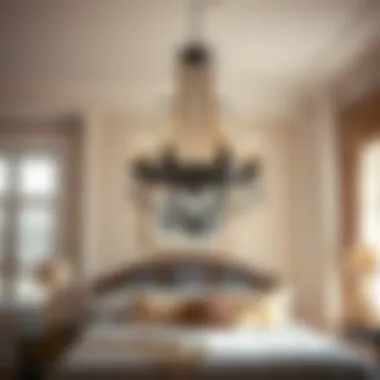

Styles of Chandeliers for Bedrooms
Choosing the right style of chandelier can profoundly change the vibe of a bedroom. The styles vary widely, each type evoking distinct emotions and impressions. A carefully selected chandelier acts not just as a light source but also as a statement piece that reflects personal taste and complements overall decor.
Benefits of Different Styles: When embarking on a bedroom design, considering chandelier styles is crucial. A modern chandelier can lend an air of sophistication, while a rustic option might usher in warmth and coziness. The right style harmonizes with wall colors, furniture, and even the texture of curtains. It’s an element that can tie the whole room together, ensuring that your bedroom serves as a tranquil retreat or an inspiring haven, depending on your vision.
Modern and Minimalist Designs
Modern chandeliers are generally characterized by sleek lines and understated elegance. These designs often use clean shapes and materials such as metal, glass, or even innovative composites. For instance, a geometric pendant with a matte black finish not only illuminates but also adds a bold edge to a minimalist decor scheme.
Key Considerations:
- Space Efficiency: These designs tend to be less bulky, making them ideal for smaller bedrooms. They do not overwhelm the space, but instead, accentuate it.
- Lighting Quality: Full-spectrum LED bulbs are often used in modern fixtures, producing light that mimics natural daylight. This not only enhances visibility but also uplifts the mood.
Classic and Traditional Options
Classic chandeliers have withstood the test of time, often characterized by their intricate detailing and use of crystals. A classic option might involve a grand, multi-tiered chandelier studded with drops that catch the light beautifully, illuminating the entire room. Styles like French provincial or Victorian can evoke nostalgia and a sense of history.
Why Choose Traditional?
- Timeless Appeal: The beauty of classic chandeliers lies in their ability to remain relevant across various decor styles, from cottage core to contemporary settings.
- Emotional Resonance: They can evoke a sense of elegance that contributes to the room’s overall emotional atmosphere, making it feel more like home.
Rustic and Industrial Choices
Rustic or industrial chandeliers often utilize rough materials like reclaimed wood or aged metals. These designs carry a story with them, reminiscent of history and craftsmanship. A chandelier made from weathered wood and metal chain could serve as a stunning centerpiece in a bedroom that embraces a countryside or loft theme.
Factors to Think About:
- Textures: The imperfection in materials brings character to a room. Selecting a rustic chandelier enhances a cozy atmosphere and can balance out sleek modern furnishings.
- Source of Light: Often, these fixtures create more ambient light rather than a harsh spotlight effect, helping to cultivate a relaxed environment, perfect for winding down after a long day.
"The right chandelier is like the cherry on top of a well-designed bedroom; it completes the look while serving a practical purpose."
By thoughtfully considering the various styles of chandeliers, homeowners can curate an environment that resonates with their unique preferences and lifestyle. Each style brings something different to the table, allowing for a truly personalized sanctuary.
Choosing the Right Chandelier
Selecting the appropriate chandelier is not just about finding an attractive light fixture. It's an art that marries functionality with aesthetics, profoundly impacting the overall mood and design of your bedroom. A well-chosen chandelier can transform a mundane space into one that exudes elegance and charm, creating a visual focal point. The right chandelier doesn’t merely illuminate; it also reflects your personality, making it crucial to consider various factors before making this important decision.
Factors to Consider in Selection
When on the hunt for the perfect chandelier, keep a few key aspects in mind to ensure that your choice stands the test of time both in style and practicality:
- Style Harmony: Ensure the chandelier matches the bedroom's existing decor. From modern sleek to ornate traditional designs, understanding the theme of your space is essential. A contemporary chandelier in a classic bedroom may not blend as well as a vintage-inspired piece.
- Material Quality: The construction of the chandelier can influence not only its aesthetic appeal but also its durability. Consider materials like crystal, metal, or glass, each offering distinct qualities. For instance, crystal chandeliers provide a touch of opulence, while metal offers an industrial vibe.
- Lighting Purpose: Think about how you use the bedroom. Is it primarily for relaxation, sleeping, or perhaps a reading nook? Different lighting styles can provide a different atmosphere. A dimly lit chandelier might suit a cozy reading corner, while a brighter option could work for a more vibrant, multi-functional space.
- Visual Weight: The chandelier should complement the size and orientation of your bedroom. A large chandelier in a small room might overwhelm it, while a delicate fixture in a grand space could get lost.
These considerations go beyond mere aesthetics, affecting how you experience the space every day.
Sizing and Scale for Different Rooms
Getting the sizing right is crucial when selecting a chandelier. One widely accepted method for determining the ideal diameter is to take the room's square footage, add those two numbers together, and use that as the diameter in inches. For instance, if your bedroom is 10x12 feet, the chandelier should ideally be about 22 inches wide (10 + 12 = 22).
Here are some tips to help find the right scale:
- Ceiling Height: Chandeliers should be hung at a height that allows for comfortable movement. A rule of thumb is to hang them approximately 7 feet above the floor in standard ceiling heights. For high ceilings, consider using longer chains or rods to create a tiered effect.
- Room Functionality: If the bedroom serves multiple purposes, the chandelier should not only compliment the decor but also provide adequate lighting for all functions. For example, a larger chandelier with multiple bulbs might be suitable for a bedroom doubling as a home office.
- Spacing Considerations: In larger bedrooms, think about placing more than one chandelier to create balance. Instead of a single large light fixture, two smaller chandeliers can enhance the aesthetic while providing ample lighting.
"Choosing the right chandelier is pivotal; it brings together the elements of style, space, and functionality that define your bedroom."
Take your time to visualize how different sizes and styles will blend into your space. The chandelier does not just hang from the ceiling; it makes a statement.
For more detailed guidance on chandelier styles and dimensions, you can check out resources like The Spruce or Elle Decor.
Overall, the right chandelier not only brightens your bedroom but also adds a layer of sophistication that other light fixtures often lack.
Placement Strategies for Bedrooms
When it comes to enhancing a bedroom's ambience, chandeliers play a crucial role, yet their impact is deeply intertwined with how and where they are placed. Proper placement not only magnifies the elegance of the chandelier but also influences the overall spatial dynamics within the bedroom, creating a harmonious blend. Positioning a chandelier can transform the room from mundane to marvelous, giving it a touch of sophistication.
Considerations for placement strategies include not just aesthetic appeal, but also functionality, ensuring the fixture serves its practical purpose without overwhelming the room. Furthermore, the right positioning can highlight various features within the bedroom, such as furniture, artwork, or architectural details.
Centering Above the Bed
This is one of the most common and effective strategies. Hanging a chandelier directly above the bed creates a focal point, drawing the eye and establishing a sense of balance. Here are some key elements to consider:
- Height and Scale: The chandelier should be at an appropriate height to avoid conflict with headboards or other elements. A general rule of thumb is to hang it about 30 to 36 inches above the top of the mattress.
- Size Matters: Choosing a chandelier that is proportional to the bed's size is vital. Larger beds can accommodate bigger fixtures, while smaller layouts benefit from more delicately designed options.
"A well-placed chandelier above the bed acts as a statement piece that radiates warmth and style, drawing the room together intricately."
- Visual Balance: Centering the chandelier ensures that it complements the space effectively without feeling off-kilter. This visual balance plays a significant role in creating a tranquil environment, making longer periods spent in the room more enjoyable.
Incorporating Multiple Chandeliers
Sometimes one chandelier just won’t cut it—this is where creativity comes into play. Using multiple chandeliers can bring depth and dimension, especially in more spacious bedrooms. Here’s how to make it work:
- Layered Lighting: By incorporating chandeliers in different areas, you can create layers of light, adding warmth and ambiance to the space. For example, a stunning piece can be centered over the bed, while another might hang in a corner, framed by a reading nook.
- Styles and Coordination: It is crucial to select chandeliers that match or complement each other, whether through color, style, or material. Mixing modern and traditional designs can add a bit of visual intrigue, but ensure a cohesive look.
- Room Zoning: In larger bedrooms, using multiple chandeliers can help define different zones, such as sleeping and lounging areas. This delineation can enhance functionality and provide a more organized appearance.
- Configuration: Hang chandeliers at varying heights for a dramatic effect, allowing the fixtures to interact and play off each other’s designs. This layering can lead to a distinctive architectural feature that captures attention.
Incorporating chandeliers thoughtfully elevates a bedroom in ways that few other elements can achieve. These placement strategies not only ensure the chandelier shines brightly but also respect the overall design aesthetic of the space.
Lighting Quality and Atmosphere
The impact of lighting within a bedroom cannot be underestimated. Not only does it serve a practical purpose, allowing us to navigate our spaces, but it shapes the whole atmosphere and mood of the room. A well-chosen chandelier becomes an essential part of that equation. It can be a beautiful centerpiece that transforms the visual narrative of the room while also affecting how we feel when we’re in it. The layering of light, particularly with chandeliers, can create a sense of intimacy, warmth, and even luxury.
The light quality itself is paramount. Different types of light can evoke various emotions and sets the tone. Each kind of bulb comes with its own unique flavor, dictating how colors appear and how inviting the atmosphere becomes. One may think that all light is alike, yet a closer look reveals how vastly different lighting can alter perceptions and experiences within the same space. Noting where your chandelier fits into this equation adds another layer to its importance.
"The right chandelier can not only illuminate a room but can also become a statement about who you are."
Warm vs. Cool Lighting
The choice between warm and cool lighting can feel like a delicate balancing act. Warm lighting, often in the range of 2700 to 3000 Kelvin, creates a cozy, inviting atmosphere, perfect for unwinding after a long day. Think of a gentle glow enveloping the room; it’s a vibe that beckons you to relax, whether you’re reading a book or enjoying a quiet evening. On the other hand, cool lighting, typically above 4000 Kelvin, produces a brightness that can feel energizing and focus-enhancing. This light does great when you need to kickstart productivity or simply feel more awake in the morning light.
When choosing your chandelier, consider its role in enhancing the existing color palette of your room. Warm tones often harmonize beautifully with soft colors, while cool tones can bring out sharper, more modern designs. Think of your overall design vision—what do you want the lighting to convey?


Dimmer Switches and Control
With the advancement in technology, controlling the intensity of light has never been easier. Incorporating dimmer switches into your chandelier setup is perhaps one of the smartest moves you can make. The ability to adjust the brightness allows you to craft the atmosphere precisely as you wish, transitioning from a brightly lit functional space to a dimly candle-lit ambience with just a flick.
Dimmer switches foster versatility. We have all had those evenings where we want the mood to match our energy, be it a lively gathering or a serene night spent in solitude. By adjusting the light, you can influence everything from the room's formality level to your own emotional state. Consider whether you want softer lighting during movies or bright light when reading; the control is in your hands.
Maintaining the right lighting configuration through thoughtful placement and technology can greatly impact your overall experience in the bedroom. Take the leap—enhance your personal space with a chandelier that not only lends itself to ornamental beauty but also promotes a comforting and tailored atmosphere.
Color Schemes and Chandeliers
Integrating chandeliers into a bedroom involves more than just choosing an exquisite piece; it requires a thoughtful consideration of the room's color scheme. The color palette not only defines the style and atmosphere of the space but also influences how the light emanating from the chandelier interacts with the entire room. Therefore, understanding the relationship between color schemes and chandeliers can profoundly elevate the interior design and affect mood and ambiance.
A well-chosen chandelier can serve as a focal point that ties together various elements in a bedroom. It adds personality and can transform the overall feel of the room. Selecting the right colors to complement or contrast with the chandelier's materials and finishes can create stunning visuals. This synergy not only enhances aesthetic appeal but ensures cohesion throughout the design.
Moreover, the influence of light on colors cannot be understated. Depending on whether the chandelier emits warm or cool light, the perceived hues in the interior may shift. For instance, golden light can warm up a room, making richer tones appear even more inviting. On the other hand, cooler light might enhance the freshness of lighter shades, making the space feel airy and open. Thus, the choice of light quality should be aligned with the intended emotional response to the space.
Complementing Room Colors
When selecting a chandelier, aiming for colors that complement the existing room tones is crucial. To achieve harmony, consider the following:
- Similar Hues: A chandelier in a brushed nickel finish pairs well with soft gray walls, marrying the metallic shine with understated warmth.
- Analogous Colors: If your bedroom has soft blue walls, choose a chandelier decorated with crystals that reflect similar shades. This cohesive look fosters tranquility.
- Accent Colors: A pop of color in the chandelier can invigorate a neutral palette. For instance, a deep red or emerald green chandelier can stand out against muted walls while adding depth.
- Natural Elements: Wooden chandeliers blend seamlessly with earth-toned decor, linking the fixture visually to other natural components in the room.
Choosing colors that support the overall aesthetic enhances how the chandelier interacts with various components in the space, from bedding to wall art.
Contrast and Harmony in Design
On the flip side, deliberate contrasts can introduce excitement and dynamism. Using contrast and harmony in design enables you to evoke particular feelings through your decor. Here are a few strategies to consider:
- Bold vs. Subdued: A chandelier with intricate designs in gold can beautifully stand against soft pastel walls. This juxtaposition brings forth the chandelier's beauty while maintaining overall room calmness.
- Light vs. Dark: Darker chandeliers can create dramatic silhouettes when installed in lighter rooms, engaging the eye and creating a sense of depth.
- Visual Weight: Balancing lightweight colors with heavier textures or darker shades provides dimensionality, allowing the chandelier to feel integrated yet distinct.
Matching or contrasting colors between chandeliers and bedroom decor can lead to dynamic aesthetics. If done correctly, they can create a conversation starter within your space.
In summary, the interplay between color schemes and chandeliers is instrumental not only for style but for setting the desired atmosphere in a bedroom. Take the time to choose wisely, ensuring that your chandelier works in tandem with other components of the interior design. This attention to detail speaks volumes in the ambiguity of elegance.
Maintenance of Chandeliers
Maintaining chandeliers is an aspect that often gets overlooked amidst the excitement of selecting the perfect lighting fixture. Yet, proper upkeep is critical for ensuring that your chandelier not only shines bright but also remains an elegant focal point in your bedroom for years to come. Neglect can lead to grime build-up, dulling of materials, or worse, structural problems that may require costly repairs or replacements. In this section, we will look into practical cleaning techniques and routine maintenance tips that will help preserve your chandelier's beauty and function.
Cleaning Techniques for Various Materials
Chandeliers come in a multitude of materials, each requiring specific cleaning methods to avoid damage. Here are some tried-and-true techniques to keep your fixture looking its best:
- Crystal Chandeliers: A glass cleaner mixed with equal parts of water works wonders here. Use a microfiber cloth to gently wipe each crystal, ensuring to avoid harsh chemicals that could strip the shine. Consider using a soft brush to reach into intricate designs.
- Metal Chandeliers: Depending on whether the metal is brass, bronze, or painted, you’ll want to choose your cleaner wisely. For brass, a mild soap and water solution is often all that’s needed. For painted surfaces, ensure to use only a damp cloth to prevent peeling paint.
- Wooden Chandeliers: A soft, dry cloth should be your go-to. Wood is sensitive to moisture, so avoid any wet cleaning solutions that could warp the materials. Instead, you could apply a bit of furniture polish for extra sheen.
- Fabric and Beaded Chandeliers: For these, dusting is usually enough. A gentle vacuum cleaner brush attachment can do wonders to get rid of dust bunnies nestled in the fabric or beads.
"A clean chandelier not only looks good, but it also reflects the quality of the entire room. Plus, regular cleaning can extend the life of your investment."
Routine Maintenance Tips
Creating a maintenance schedule can be beneficial in ensuring your chandelier continues to sparkle while also optimizing its longevity. Here are some tips worth considering:
- Regular Dusting: At least once a month, dust your chandelier to keep it fresh. This simple practice can prevent the accumulation of dirt, which, over time, becomes harder to remove.
- Check for Loose Bulbs: Every couple of months, check and tighten any loose bulbs to avoid potential electrical issues. A flickering bulb may not just be a nuisance; it could also be a sign of deeper wiring problems.
- Inspect for Damage: Take a few minutes during routine dusting to inspect individual crystals and components. Look for any signs of chipping or wear. Early detection can prevent more significant problems down the line.
- Scheduling Professional Cleaning: Depending on the complexity and height of your chandelier, bringing in professionals annually may be a wise move. They might have specialized equipment and methods to fully restore its shine without risking damage.
By employing these techniques and setting a routine in place, homeowners can enjoy the beauty of their chandelier without the worry of neglect or deterioration. Keeping your chandelier clean and in optimal condition is just as important as choosing the right style and design.
Chandeliers and Personal Expression
Chandeliers are not just decorative elements; they stand as a profound extension of one’s personal identity within the bedroom space. The interplay of light, design, and material can evoke emotions that resonate with individual preferences, cultural backgrounds, and nostalgic memories. A chandelier serves as a storytelling device, transforming a straightforward room into a sanctuary filled with personal significance.
One key point of consideration is the symmetry between style and personality. A bold, avant-garde chandelier may reflect a dynamic character, while a subtle crystal piece might echo elegance and timelessness. This selection process illuminates aspects of who we are and, in turn, creates an atmosphere that envelops us. As such, these fixtures can effectively become a centerpiece of self-expression.
For individuals seeking a touch of authenticity, a vintage chandelier could hold stories of the past, connecting the current living space with history while providing warmth through dim, soft lighting—perfect for evenings spent unwinding with a good book. Likewise, modern designs can reflect contemporary trends while integrating colors or materials that represent personal taste. The choices available today are abundant, from intricate wrought iron designs to elaborate glass sculptures, catering to various aesthetic sensibilities.
A well-chosen chandelier does more than just hang above your head; it tells your story, amplifying the ambiance of the room while showcasing a unique elegance.
Reflecting Personal Style
The relationship between chandeliers and personal style runs deep. Selecting a fixture that aligns with your tastes can elevate the overall design of a bedroom. When considering this relationship, it’s essential to think about the elements that define what you love—color palettes, material preferences, and overall aesthetic visions.
For example, a house adorned with contemporary furnishings would benefit from a minimalist chandelier that harmonizes with the clean lines of the furniture. On the flip side, someone with a penchant for rustic décor could opt for a chandelier made from distressed wood and wrought iron, invoking times spent in cozy cabins or charming farmhouses. Thus, every selection should fuse seamlessly into the broader narrative of personal style.
- Think about incorporating:
- Artisan-crafted chandeliers for a unique touch.
- Colorful beadwork or floral motifs for a playful vibe.
- Textured metals or crystals for a touch of glamour.
Ultimately, the chandelier acts as the icing on the cake, completing the room's aesthetic while simultaneously reinforcing the owner’s identity. This blend of form and function highlights the essence of personal style, creating a harmonious environment that feels both welcoming and authentic.
Creating a Unique Bedroom Identity
The bedroom is often where we spend the most intimate moments of our lives, making the expression of personal identity crucial. Chandeliers play a pivotal role in shaping this identity; they can characterize a space and ultimately make it feel more ‘you’. When thoughtful design elements come together, you’ll find that the space resonates with warmth and personality.
Consider the symbolic meanings associated with various chandelier styles. A lavish crystal piece may symbolize luxury, suggesting affluence and elegance, while a minimalist pendant light can represent simplicity and peace. This subtle communication is essential in crafting a unique identity within the bedroom.
Furthermore, integrating elements that speak to individual meets style is a powerful way to convey identity. For instance:
- Personal mementos, such as photographs or meaningful art, can compliment the chandelier by amplifying its visual narrative.
- Use a theme—like vintage glamour or a coastal vibe—to influence chandelier style, reinforcing that particular identity.
- Experiment with varying heights and placements, ensuring the chandelier does not just serve a functional purpose but enhances the spatial identity.
By intertwining a chandelier that reflects personal values and aesthetic preferences, one creates an ambiance that is more than just visually pleasing. It embodies a personal sanctuary, inviting comfort while expressing the essence of who lives within.
By acknowledging the multifaceted role chandeliers play in personal expression, readers can approach their bedroom design with a fresh perspective. Personalization and authenticity are key, leading to a distinctive atmosphere that tells the unique story of those who inhabit it.
Trends in Bedroom Chandeliers
In the realm of bedroom design, chandeliers have shifted from mere lighting fixtures to striking focal points that carry substantial aesthetic and expressive weight. Understanding the trends in bedroom chandeliers allows homeowners to elevate their interiors while reflecting personal tastes and current stylistic directions. As the landscape of home decor evolves, so too does the role of chandeliers, integrating functionality with artful design. Not only do they illuminate spaces, but they also create an ambiance that can rejuvenate or calm, making their selection and placement crucial for bedroom sanctuaries.
Current Trends in Design
Chandeliers today are as much about style as they are about utility. Here are some defining trends that are taking center stage:
- Statement Pieces: Bold chandeliers that catch the eye instantly are increasingly in vogue. Think oversized installations that dwarf traditional designs, designed to make a statement.
- Mixing Styles: Modern design embraces the clash of styles; you might see a classic crystal chandelier harmoniously coexisting with minimalist furniture. This juxtaposition creates a curated, lived-in feel.
- Geometric Shapes: Contemporary craftsmanship has seen an inclination towards geometric designs. These angular formations offer a fresh, clean contrast to the soft lines of traditional chandelier styles, appealing to those who seek a modern touch.
- Customized Lighting: More homeowners are choosing bespoke chandeliers tailored to fit their specific tastes and themes. Custom designs ensure that the piece one selects isn’t just a lighting source but also aligns perfectly with the room’s personality.


As these trends continue to evolve, they present unique opportunities to enhance room allure. Homeowners are encouraged to participate actively in the decorative dialogue, shaping their spaces with a refined sensibility.
Innovative Materials and Designs
The world of chandelier materials has expanded dramatically, illustrating the creative innovations of modern designers. Homeowners today have access to a myriad of materials that push boundaries and expand possibilities:
- Sustainable Choices: A growing awareness of environmental impact has led to the rise of eco-friendly materials. Chandeliers made from reclaimed wood or recycled glass cater to the conscientious consumer, providing elegance without compromising ethical values.
- Mixed Materials: The trend of combining various materials—like metal with fabric or glass with wood—allows for unparalleled versatility. This not only adds visual depth but also reflects a homeowner’s unique style through carefully curated textures.
- Technology Integration: The incorporation of smart home technology in chandeliers is redefining how we interact with lighting. Imagine controlling your chandelier’s brightness via your smartphone or programming it to change colors according to your mood.
"Chandeliers today are not just about light; they embody technology and personal expression, making every choice a reflection of who you are."
With these innovative materials and designs, chandeliers become more than functional items; they are conversation starters, works of art that enhance the beauty and personality of a bedroom space.
In summary, keeping abreast of trends in bedroom chandeliers is not just about aesthetics; it's a blend of creativity, sustainability, and personal expression. As homeowners explore these trends, they have an opportunity to craft environments that are sophisticated and uniquely theirs.
Cultural Influences on Chandelier Choices
When it comes to the aesthetic appeal of a bedroom, chandeliers often stand as a symbol of elegance and refinement. However, beyond mere decoration, chandeliers can also represent a tapestry of cultural significances and traditions. Understanding these influences can enhance not just the aesthetic value of a room but can also provide insight into how individual tastes are shaped.
Chandelier Interpretations Across Cultures
Across different cultures, chandeliers serve various roles beyond just illuminating a space. For instance, in Middle Eastern nations, intricate designs of chandeliers often reflect the architectural heritage of palaces and mosques. These fixtures, adorned with colorful glass and delicate metalwork, become a fusion of art and function, often capturing the eye of anyone who steps into the room.
In contrast, a European approach may lean towards crystal chandeliers that symbolize luxury, often used in grand ballroom settings. This adaptation seems to echo the history of opulence from the French courts, where such pieces were not merely light sources but statements of power and wealth.
"Lighting is not just functionality; it tells a story of who we are and where we come from."
Cultural symbols are potent, and they translate into design choices. For example, Eastern philosophies often emphasize simplicity and balance, leading to a preference for minimalistic chandeliers made from natural materials. Such selections promote harmony and tranquility, echoing the principles found in Feng Shui, where the energy of a space is as vital as the visual elements. This contrast in interpretations demonstrates that chandeliers are not merely lighting fixtures but fixtures that narrate a story reflective of cultural practices and values.
Regional Variations in Design
The design of chandeliers can vary wildly based on geographical influences. In Mediterranean regions, for example, wrought iron chandeliers are common, often incorporating rustic and natural elements. The twisted metal, often surrounded by warm, earthy colors, reflects the surrounding lands, blending seamlessly with coastal aesthetics and providing a touch of effortless warmth to a bedroom.
On the other end, Scandinavian designs maintain a more streamlined approach. Here, you might come across lamps and chandeliers featuring clean lines and muted colors that emphasize functionality while still offering elegance. The Scandinavian ethos prioritizes simplicity over extravagance, yet it still resonates with the aesthetics that modern homeowners find appealing.
For those in Eastern countries, the contemporary designs could often infuse traditional craftsmanship with modern styles. Such hybrid designs create unique conversations in any space, where the past meets the present in an alluring setting.
Furthermore, regional variations in chandelier styles can even reflect the societal values of a place. In highly urbanized areas, for example, we may observe a preference for modern, geometric shapes that resonate with the fast pace of city life. Meanwhile, in more rural settings, chandeliers may tend to embrace a more handcrafted look, drawing upon local artisanship that serves as a tribute to community and culture.
Architectural Considerations
The architectural aspects of chandeliers in bedrooms are often overlooked but play a crucial role in how a space feels and functions. When it comes to integrating a chandelier into a room, understanding elements like ceiling height, type, and room proportions can make a significant difference. It’s not just about picking an eye-catching fixture; it’s about making sure it fits harmoniously into the overall design. Here we will explore some important considerations to keep in mind regarding chandeliers and how they work with architectural features.
Height and Ceiling Types
Ceiling height can radically change the overall dynamics of your bedroom. In general, a standard ceiling height ranges from eight to nine feet, which accommodates most chandeliers comfortably. However, if the ceilings are higher—say, ten feet or more—then it opens the door to statement pieces that draw the eye upward, adding an element of drama and grandeur. In contrast, low ceilings can limit your choices. Opting for flush mount or semi-flush chandeliers allows for better clearance and keeps the space from feeling cramped.
When considering various ceiling types, you should also pay attention to architectural elements like beams, molding, or skylights, as they can impact the chandelier placement. For example, a pronounced beam can provide a rustic touch and might necessitate a chandelier that complements this element. Conversely, a simple, flat ceiling benefits from chandeliers that reflect minimalism or elegance, which will enhance the uncluttered look of the room.
A few practical approaches include:
- Install at the Right Height: The bottom of the chandelier should ideally hang about 7 feet above the floor in spaces where people walk regularly.
- Consider Proportions: A large room with a high ceiling should include a larger chandelier to avoid looking out of place, whereas a small, cozy room might do better with a stubby or petite fixture.
Incorporating Chandeliers in Small Spaces
Small bedrooms might seem daunting when it comes to incorporating a chandelier. One might think a huge, sparkling fixture would overwhelm the cozy vibe, but that’s not entirely true. With careful selection and clever strategies, a chandelier can add a layer of sophistication without crowding the space. Think about the immediate surroundings—mirror reflections can enhance the light, making the room feel larger and brighter.
Here are some thoughtful ways to introduce chandeliers into tighter quarters:
- Choose the Right Scale: Small chandeliers or pendants are great choices for compact spaces. They provide elegance without dominating the area.
- Select Lightweight Designs: Opting for fixtures made of materials like crystal or glass can keep the visual weight light.
- Add Layers of Light: Consider using dimmer switches, so the chandelier isn’t the only source of illumination. Combining wall sconces and bedside lamps allows for great versatility.
- Position Wisely: A stunning chandelier hung centrally or at the foot of the bed can create a focal point that draws the eye without crowding.
A well-placed chandelier in a small room does not just illuminate; it transforms the space into something warmer and more welcoming.
Frequently Asked Questions
Frequently asked questions play a crucial role in helping readers navigate the world of chandeliers in bedroom design. By providing clear answers to common concerns or misconceptions, this section serves as an essential resource for anyone venturing into the realm of sophisticated lighting. Understanding these frequently posed queries not only demystifies the selection process but also ensures a well-informed purchase.
Not every chandelier suits every bedroom. Buyers should consider the room's size, style, and the mood they wish to create. Additionally, potential buyers need to know the functional aspects of chandeliers. Questions around installation, compatibility with dimmers, and maintenance are all significant factors. When equipped with the right information, homeowners can enhance their living spaces more effectively.
"Knowledge is power, not just in choosing a chandelier, but in making your entire room come to life."
Below are some common queries that arise when discussing chandeliers:
Common Queries About Chandeliers
- What size chandelier should I choose for my bedroom?
The size of the chandelier is pivotal. A too-small fixture may get lost in the space, while one that is overly large can overwhelm the room. A good rule of thumb is to add the length and width of the room in feet, then using this number to gauge the diameter of the chandelier in inches. - How high should the chandelier hang above the bed?
A chandelier above the bed should hang about 30 to 36 inches above the mattress. This distance allows maximum light output while ensuring safety and comfort, without obstructing movement. - Are there specific chandeliers suitable for low ceilings?
Yes. For bedrooms with lower ceilings, flush mount or semi-flush mount chandeliers work best. These styles sit close to the ceiling and provide adequate lighting without crowding the space. - What type of bulbs are best for chandeliers?
LED bulbs are increasingly popular due to their longevity and energy efficiency. However, some may prefer incandescent bulbs for their warm glow. Always double-check compatibility with the fixture before purchasing bulbs. - Do chandeliers require special maintenance?
Yes, chandeliers do require periodic cleaning to maintain their sparkle and efficiency. Materials such as crystal can gather dust and grime, so regular cleaning is necessary to keep them dazzling.
Troubleshooting Chandeliers
Even the most exquisite chandeliers can encounter issues that require troubleshooting. Here are a few frequent problems homeowners may experience and how to handle them:
- Flickering Lights:
This can be caused by a loose bulb or faulty wiring. Tighten any loose bulbs and check connections. If the problem persists, consider consulting a qualified electrician to assess any wiring issues. - Dim Lights:
If the chandelier lights appear dim, it may be time to replace the bulbs or check the wattage you're using. Ensure that the wattage matches the fixture's specifications. - Uneven Glow:
An uneven light output can indicate incompatible bulbs or a need for cleaning. Dust build-up can obstruct the light, so regular cleaning of the fixture may resolve the issue. - Overheating:
If the chandelier feels unusually hot, it might be drawing too much power. Make sure the wattage of the bulbs doesn't exceed what the chandelier can handle. If overheating persists, consulting with a professional is advisable. - Installation Difficulty:
Hang the chandelier properly according to manufacturer instructions. If in doubt, seeking professional installation can help avoid potential hazards and ensure safety.
The goal of addressing these questions is to empower the reader, providing them the knowledge to make informed decisions about enhancing their bedroom décor with chandeliers.
Culmination: The Lasting Impact of Chandeliers
As we wrap up our exploration into the world of chandeliers within bedrooms, it becomes clear just how significant these fixtures are in enhancing both the visual appeal and emotional atmosphere of a space. Chandeliers do far more than light a room; they serve as a focal point that can define the overall aesthetic of a bedroom. By choosing the right chandelier, one seamlessly marries form with function, making it an essential element in bedroom décor.
Chandeliers as a Signature Element
When contemplating bedroom design, chandeliers can be seen as signature elements that reflect the homeowner's personality. Each chandelier tells a story, whether it's a sleek modern piece that embodies minimalism or a vintage design reminiscent of glamourous bygone days. In fact, incorporating a chandelier can set the tone for the entire room, influencing not only the lighting but also the mood.
For instance, a crystal chandelier can exude elegance and sophistication, while a wrought iron model might add rustic charm or industrial flair to a space. Here are some key points to remember about chandeliers as signature elements:
- Personalization: A well-chosen chandelier showcases individual style and can evoke feelings of comfort and belonging.
- Visual Focal Point: Placing a chandelier strategically can draw the eye upward, helping to create an illusion of height and openness, particularly in smaller bedrooms.
- Conversation Starter: Unique designs often become talking points, inviting conversations and admiration from guests, further cementing their role as statement pieces.
Final Remarks on Bedroom Enhancements
Investing time in selecting the right chandelier is crucial. Beyond mere illumination, these fixtures contribute to the overall ambiance, reinforcing a sense of peace and tranquility. Whether you prefer a traditional allure or a modern twist, the perfect chandelier not only brightens your room but also enriches the emotional experience of the space.
Ultimately, a chandelier in a bedroom is much like the exclamation point in a well-crafted sentence; it signifies that something important has been beautifully concluded. The lasting impact of chandeliers goes well beyond mere decoration; they transform spaces into personalized sanctuaries that resonate with warmth and style.
"Light is the essence of beauty, and chandeliers are the jewels that radiate this beauty in our homes."
By integrating these luminous masterpieces, homeowners can ensure their bedrooms stand not just as places for rest, but as reflections of their unique tastes and cherished experiences.