Complete Guide to Bathroom Fixtures and Their Benefits

Intro
In the world of interior design, bathrooms often take a backseat to more glamorous spaces like living rooms or kitchens. Yet, they can greatly influence both functionality and aesthetics in a home. This guide dives into the nuances of bathroom fixtures, shedding light on their roles, stylistic trends, and practical tips for homeowners and design enthusiasts alike. Whether you're working with a spacious spa-like retreat or a cozy powder room, understanding the intricacies of bathroom fixtures can transform your space from merely utilitarian to truly inspiring.
Design Inspirations
Latest Trends in Bath Designs
Today’s bathroom designs break the mold, moving away from sterile white tiles and chrome finishes towards more personalized and unique expressions. The resurgence of natural materials like stone and wood is notable, lending a warm and organic touch to the otherwise cold bathroom setting.
Key trends to consider include:
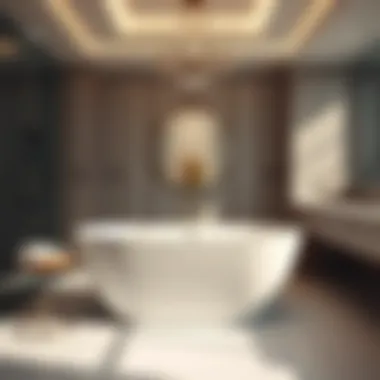
- Freestanding bathtubs: These are becoming more popular as they serve as a stunning centerpiece. With designs varying from modern to vintage, they fit well in various bathroom styles.
- Smart technology: Innovations like self-cleaning toilets and smart mirrors that sync with your phone make for a contemporary bathroom experience.
- Bohemian elements: Adding plants or ethnic textiles brings a splash of color and life, creating a relaxing oasis.
Color Palettes and Themes
Color choice plays a pivotal role in setting the mood of your bathroom. Gone are the days of monotonous whites; today’s trends lean towards hues that create a sense of serenity or vibrancy depending on personal preference.
Popular color palettes include:
- Muted pastels: Soft pinks and blues for a tranquil atmosphere.
- Bold contrasts: Bright blacks paired with reversed white fixtures make statements that exude modern elegance.
- Earth tones: Colors inspired by nature, such as sage green and sandy beige, offer a calming effect.
Using multiple shades can further enhance depth and richness in the overall design. Think about how the colors impact natural light and reflect off surfaces, creating a dynamic environment.
Functional Elements
Space Optimization Tips
Bathrooms, regardless of their size, can benefit from strategic planning to maximize space. Here are some practical tips:
- Vertical storage: Shelves or cabinets mounted on walls use vertical space wisely, making items easily accessible.
- Compact fixtures: Sinks with integrated storage can save precious space, offering both utility and style.
"A well-organized bathroom not only looks better but functions more efficiently, making your daily routines smoother."
Multi-Functional Furniture Choices
Selecting fixtures that serve multiple purposes can also enhance the utility of your bathroom. Examples include:
- Vanities with built-in shelving: These save space and offer storage without sacrificing style.
- Benches or stools: Ideal for larger bathrooms, they can provide seating or serve as additional surfaces.
By combining functionality with thoughtful designs, you can cultivate a space that is not only pleasing to the eye but also highly efficient.
As we unpack the details of specific fixtures and their implications for your bathroom’s design and usability, remember that your choices should reflect personal style and cater to your household’s needs. Each decision contributes to the overall experience of one of the most essential spaces in your home.
Prelude to Bathroom Fixtures
Bathroom fixtures are fundamental components of any home, shaping not only the functionality but also the aesthetic appeal of the space. They serve essential roles from the moment one enters the bathroom, impacting daily routines and transforming simple tasks into experiences. Understanding the variety of fixtures available is crucial for homeowners seeking to create a space that combines comfort, efficiency, and style.
When it comes to bathroom design, fixtures can range from basic essentials like sinks and toilets to elaborate showpieces such as freestanding bathtubs. Each fixture comes with its own set of features, benefits, and considerations for selection, making it vital for homeowners to have a comprehensive understanding prior to making purchasing decisions.
Key Elements of Bathroom Fixtures
- Functionality: Every fixture has a specific role that contributes to the overall utility of the bathroom. Toilets, for instance, are designed for convenience, while sinks offer both utility and style.
- Style Options: There is an extensive array of designs available. Homeowners can choose from a variety of styles, be it modern, traditional, or anything in between, allowing for personal expression in design.
- Material Selection: The materials used in bathroom fixtures can significantly alter their durability and maintenance requirements. For example, porcelain sinks may require different care compared to stainless steel faucets.
- Efficiency: Innovations in fixture technology have led to options that conserve water and energy, like low-flow toilets and touchless faucets, resonating with today’s trend towards sustainability.
- Safety and Accessibility: Fixtures can also offer solutions for long-term accessibility needs, such as grab bars and low-threshold showers, ensuring that bathrooms cater to everyone, regardless of mobility levels.
"The right bathroom fixture doesn't just blend into a space; it enhances it while serving its purpose seamlessly."
Benefits of Understanding Bathroom Fixtures
By delving into the world of bathroom fixtures, homeowners and enthusiasts arm themselves with the knowledge necessary to make informed decisions. This understanding can lead to:
- Enhanced Home Value: Well-chosen fixtures can raise the overall value of the home, making it appealing to potential buyers.
- Increased Comfort: The right fixtures improve usability and comfort, creating a welcoming sanctuary for daily routines.
- Cohesive Design: Knowledgeable selection helps achieve a harmonious look throughout the bathroom, avoiding mismatched styles and creating a unified design.
Considerations for Choosing Fixtures
It’s not just about selecting the most attractive option. Homeowners must consider factors like:
- Size and Space: The dimensions of the bathroom significantly influence the choice of fixtures. A bulky bathtub may overpower a small bathroom, whereas a sleek pedestal sink can open up space.
- Budget: Costs can vary widely, so understanding the price range for various fixtures can help in making budget-friendly yet quality selections.
- Maintenance: Some materials and styles require more upkeep than others. Selecting low-maintenance options can save time and effort in the long run.
In short, understanding bathroom fixtures isn't merely a matter of aesthetics; it's about enhancing daily life, adding value to the home, and creating a space that truly reflects personal style. Armed with this knowledge, homeowners can navigate the myriad options available, ultimately leading to a functional and visually pleasing bathroom.
Essential Types of Bathroom Fixtures
Understanding the essential types of bathroom fixtures is a key component of creating a functional and aesthetically pleasing bathroom. Each type of fixture serves a specific purpose and has unique characteristics that inform their selection. By knowing the intricacies and benefits of each fixture, home owners can ensure their bathrooms not only meet practical needs but also achieve a sense of style that aligns with their vision.
Sinks
Pedestal Sinks
Pedestal sinks hold a certain charm that speaks to traditional design while maximizing space efficiency. These fixtures typically have a round basin positioned atop a slender pedestal. One key characteristic of pedestal sinks is their space-saving nature, making them an excellent choice for smaller bathrooms or powder rooms.
They provide a vintage aesthetic that can enhance the overall design of your space, often paired with intricately tiled walls for that added flair.
However, it's important to note that pedestal sinks lack built-in storage, which may be a drawback for homeowners who need extra space for toiletries. Still, for those looking to marry elegance with simplicity, these sinks shine brightly as a popular choice.
Wall-Mounted Sinks
Wall-mounted sinks offer a modern twist on the traditional sink, allowing the floor space underneath to remain open. This not only creates the illusion of a larger area but also makes cleaning a breeze. The key benefit of wall-mounted sinks is their versatility. They come in various designs and styles, from industrial to minimalist, fitting seamlessly into any bathroom aesthetic.
One feature that sets them apart is the exposed plumbing, which can be complemented with stylish fixtures for an edgy look. However, installation can be tricky as it often requires additional reinforcement to support the sink's weight. When done correctly, wall-mounted sinks are a practical and chic solution for contemporary bathrooms.
Vessel Sinks
Vessel sinks have recently gained popularity for their artistic flare and are often viewed as statement pieces in bathroom designs. Unlike standard sinks that are recessed, vessel sinks sit atop the counter, creating a striking look. A unique characteristic of these sinks is their variety of materials—from glass to stone—that cater to diverse personal styles. They offer a sense of luxury and can be a centerpiece of the room.
The visual appeal is undeniable; however, some users find that the height can be uncomfortable for young children or shorter individuals. Additionally, maintenance can be a bit more involved with cleaning the exterior surfaces. For homeowners seeking to add a touch of elegance and individuality to their bathrooms, vessel sinks are a wonderful choice.
Toilets
Elongated vs. Round Toilets
When it comes to choosing a toilet, understanding the difference between elongated and round varieties is crucial. Elongated toilets are generally longer and provide more comfort for most adult users. The defining feature is their shape, which accommodates the body's form better during use. This comfort factor makes them a common preference for families and those seeking higher-end bathroom setups. However, they require more space, which may be a deterrent for smaller bathrooms.
Round toilets, in contrast, are more compact and take up less space. They are often a viable option for tighter spaces or half-baths. Despite offering a more budget-friendly option, they may not provide the same level of comfort as their elongated counterparts. Ultimately, the choice comes down to personal preferences regarding space and comfort.
Low-Flow Toilets


As sustainability becomes a priority, low-flow toilets have entered the scene, conserving water while maintaining performance. Their key characteristic is their ability to use significantly less water per flush, making them an eco-friendly option that can lower water bills. Many models are designed to function effectively without sacrificing flushing power.
Despite the advantages, some early models received criticism for inefficiency. Thankfully, newer designs have greatly improved in terms of effectiveness. By choosing low-flow toilets, homeowners not only contribute to water conservation efforts but also enjoy reduced utility expenses.
Smart Toilets
Smart toilets are the epitome of luxury and technological advancement in bathroom fixtures. Featuring a variety of features from heated seats to integrated bidets, the hallmark of smart toilets lies in user experience and comfort. Many models can be programmed for personalized settings, making them incredibly versatile and appealing.
However, with advancements come complexities, often requiring professional installation and potentially higher maintenance costs compared to traditional models. For those ready to embrace technology in their daily routines, smart toilets represent an investment in both comfort and efficiency.
Showers
Walk-In Showers
Walk-in showers create a seamless, open feel in a bathroom, often becoming the go-to choice for luxury installations. The defining element of walk-in showers is their barrier-free entry, which can enhance accessibility for all users. This design allows for various configurations, including niche shelving for toiletries, rain showerheads, and options for custom tiling.
Minimal maintenance is required, but careful planning and a good water drainage system are crucial to avoiding leaks. For those who value chic design and user accessibility, walk-in showers are a natural fit.
Shower Tubs
Shower tubs offer the best of both worlds, catering to homeowners who enjoy both bathing and showering. These adaptable fixtures can serve as a full bathtub while providing an available stand-up shower option. The versatility they offer is particularly beneficial for families with diverse bathing preferences.
However, the design of shower tubs can sometimes compromise space efficiency, with the possibility of a cluttered look if not planned carefully with appropriate fixtures. Nevertheless, they remain a staple in many households due to their functionality.
Rainfall Showerheads
Rainfall showerheads provide an invigorating shower experience that mimics the feel of standing in a gentle rain. The unique characteristic is their larger surface area, delivering a luxurious downpour that can make showers a bit of a retreat. Many users appreciate the enhanced experience it offers after a long day.
One drawback is that they may require higher water pressure to function effectively, which could pose challenges in certain settings. Still, homeowners looking to transform an ordinary shower into an indulgent experience find rainfall showerheads exceptional.
Bathtubs
Freestanding Bathtubs
Freestanding bathtubs bring a style statement to any bathroom. With a design that stands alone away from walls, they create a focal point and offer versatility in bathroom layout. Their defining feature is the elegant lines that can evoke contemporary, traditional, or transitional styles depending on the model chosen.
While they provide ample space for relaxation, installation may prove more complicated than traditional alcove tubs, especially in plumbing terms. But for those who prioritize aesthetics and a spa-like experience at home, freestanding bathtubs are worth the investment.
Jacuzzi Tubs
Jacuzzi tubs are synonymous with relaxation and therapy. Equipped with jets that provide a soothing massage, these tubs cater to those who seek to unwind at home. Their unique aspect is both the luxurious element and health benefits they provide through hydrotherapy.
However, they do require more maintenance and can consume a significant amount of space and water, which could be a consideration for some homeowners. For those prioritizing personal wellness, a Jacuzzi tub can be a valuable addition.
Convertible Bathtubs
Convertible bathtubs serve a dual purpose, allowing users to enjoy a shower and a soak in one fixture. What’s distinctive about them is their flexibility, particularly in smaller spaces where every inch counts. They cater to various user preferences and make day-to-day tasks more manageable.
While the conversion feature adds convenience, it could affect the design and overall aesthetic if not well integrated. Nevertheless, convertible bathtubs respond effectively to a growing need for multifunctionality in modern bathrooms.
Faucets
Single-Handle Faucets
Single-handle faucets are not only stylish but also extremely practical. They allow for easy control of water temperature and flow with one hand, making daily tasks seamless. This feature often caters to families with young children who might struggle with more complex systems. Their low-maintenance design fits a wide range of sink styles, enhancing the overall look without overpowering the aesthetics of the bathroom.
However, some homeowners may find that they don’t provide the same cool factor as more intricate designs. Still, single-handle faucets stand out as a smart choice for efficiency.
Center-Set Faucets
Center-set faucets combine function with form, incorporating a streamlined look ideal for compact spaces. The characteristic of these faucets is that they come pre-assembled with handles and spout on a single base. This ease of installation attracts many homeowners looking for simple yet stylish upgrades.
Though they offer an attractive design, the limited options in style compared to widespread faucets could deter some buyers. Despite this, center-set faucets remain a favored option for those prioritizing affordability and efficiency.
Touchless Faucets
Touchless faucets epitomize convenience, enhancing the user experience by providing hands-free operation. The standout feature is the sensor technology that allows for water to flow only when needed, promoting hygiene and conservation. These faucets are particularly appealed to families and individuals looking to minimize mess, especially in busy bathrooms.
Yet, installation can sometimes be complex and might require electrical components. Additionally, they aren’t always budget-friendly. For modern bathroom setups that embrace technology, touchless faucets offer a glimpse into what's possible for the future of bathroom design.
Materials and Finishes
When it comes to bathroom fixtures, the choice of materials and finishes can make or break the overall design and functionality of the space. Selecting the right materials is not just about aesthetics; it impacts durability, maintenance, and even safety. The materials used in creating bathroom fixtures dictate everything from the tactile experience to water resistance and ease of cleaning. While beauty flees as time goes by, the practicality of materials stands the test of daily wear and tear.
This section will explore different categories of materials, emphasizing their unique qualities and how they contribute to creating vibrant yet functional bathrooms.
Ceramics
Porcelain
Porcelain is often seen as the gold standard in bathroom ceramics. This material is strong and non-porous, making it ideal for sinks, tubs, and even tiles. What sets porcelain apart is its ability to resist stains, which keeps baths looking pristine over time. It’s a durable option, which is why many homeowners favor it for high-use areas like bathrooms.
Key Characteristic: The sleek and shiny finish of porcelain not only adds elegance but also reflects light, making spaces feel larger and more inviting.
Benefits:
- Highly stain-resistant.
- Easy to clean, making maintenance a breeze.
- Available in a wide range of colors and styles.
Yet, porcelain isn't without its drawbacks. It can be on the higher end of the price spectrum, and if mishandled, it can chip or crack. Buyers should weigh these considerations carefully.
Stoneware
Stoneware offers a unique blend of durability and aesthetic appeal, characterized by its rugged, earthy design. Unlike porcelain, stoneware retains heat well and is highly resistant to scratches and dings. This makes it a popular choice for both sinks and bathtubs, especially for those looking for a more organic look in their bathroom.
Key Characteristic: The natural textures found in stoneware give a rustic vibe, appealing to those who enjoy earthy themes.
Benefits:
- Naturally thermal, retaining heat well.
- Extremely durable and resistant to wear.
However, the porous nature of stoneware can be a double-edged sword. It can absorb water and stains if not sealed properly. This necessitates regular maintenance to keep it in optimal condition, so homeowners need to factor in their ability to commit to ongoing care.
Metals
Stainless Steel
Stainless steel is the workhorse of bathroom materials. Renowned for its rust resistance, it’s the go-to option for faucets and shower fixtures. Its modern, sleek appearance fits well with contemporary designs, while its durability serves practicality. Many restaurants and public facilities employ stainless steel for its ease of cleaning and hygiene standards.
Key Characteristic: The reflective surface of stainless steel gives a clean, professional look.
Benefits:
- Resistant to rust and corrosion.
- Easy to maintain; simply wipe down.
On the flip side, stainless steel can show water spots and fingerprints, so a little extra upkeep is required to maintain that polished shine.
Brass
Brass adds a touch of elegance to a bathroom, often employed in fixtures like faucets and knobs. It’s known for its warm tones and classic design, which have made it a staple in vintage or rustic-themed spaces. More than just eye candy, brass has inherent antimicrobial properties, which can be beneficial in bathrooms.
Key Characteristic: The golden hue of brass radiates warmth and richness, creating an inviting atmosphere.
Benefits:
- Naturally resists bacteria.
- Provides a timeless aesthetic appeal.
Nonetheless, brass requires maintenance to prevent tarnishing. Regular polishing helps maintain its luster, which can be inconvenient for some homeowners.
Copper
Copper fixtures have surged in popularity due to their distinctive coloring and rustic appeal. Similar to brass, copper has antimicrobial properties, making it suitable for sinks and faucets in homes prioritizing hygiene. Its unique patina develops over time, adding a layer of character that many find appealing.
Key Characteristic: Copper’s rich hues and ability to age gracefully set it apart in the market.
Benefits:
- Antimicrobial properties enhance hygiene.
- Unique color evolves over time, providing a one-of-a-kind look.
However, copper can be susceptible to oxidation and therefore requires regular maintenance to prevent discoloration. Being aware of these necessary care routines will help homeowners enjoy their beautiful copper fixtures for years to come.
Composites
Resin
Resin fixtures are gaining traction due to their versatility and affordability. This material lends itself well to intricate designs, allowing manufacturers to create unique shapes and styles. Moreover, resin is relatively lightweight, making it easier to install and manage during renovations.
Key Characteristic: The ability to mold resin into various designs allows for a high degree of customization.
Benefits:
- Lightweight and easy to install.
- Often more affordable than solid materials.
The downside? Resin can be less durable than traditional materials, making it more prone to scratches and dings. Homeowners should carefully evaluate their lifestyle and choice of fixture to ensure lasting satisfaction.
Glass Reinforced Plastic
Glass Reinforced Plastic, or GRP, is celebrated for its robust yet lightweight qualities, making it an excellent choice for modern bathroom fixtures. GRP’s construction involves combining glass fibers with plastic, resulting in an extraordinarily durable product.
Key Characteristic: GRP is resistant to corrosion and can withstand considerable wear, ensuring longevity in high-traffic bathrooms.
Benefits:
- Resistant to corrosion and chemicals.
- Easier maintenance than traditional materials.
However, GRP fixtures can be less visually appealing to some homeowners, as they often lack the warmth found in other materials like wood or stone. All in all, GRP fixtures may fit seamlessly into a contemporary setting but may not resonate with every design theme.
In sum, the materials and finishes you choose can significantly influence the functionality, longevity, and aesthetic appeal of your bathroom fixtures. Whether opting for the elegance of porcelain, the rustic charm of stoneware, or the sleek modernity of metals, knowing their characteristics and trade-offs can help you tailor your bathroom to match your vision and needs.
Remember, while design is critical, the materials used are the backbone of durability and utility in any bathroom setting.
Design Considerations
Design considerations in bathroom fixtures are not mere afterthoughts; they play a crucial role in the overall functionality and aesthetic appeal of the space. When selected thoughtfully, these elements can transform an ordinary bathroom into a sanctuary that meets both practical needs and personal tastes. Understanding key aspects of design will help homeowners create an environment that not only looks appealing but also enhances daily routines.
Space Efficiency
Compact Designs
Compact designs refer to fixtures that maximize the use of available space while maintaining functionality. These models are particularly beneficial for smaller bathrooms, where every square foot counts. One of the key features of compact designs is their ability to minimize bulk without sacrificing usability. Consider a wall-mounted sink, which not only frees up floor space but also gives a trendy vibe to the surroundings.
The principal advantage of compact designs lies in their versatility. For instance, a corner sink can fit snugly into an oft-overlooked space, making it a smart choice for tight layouts. However, a potential downside is that they can limit surface area, so homeowners should weigh the trade-offs based on their needs.
Smart Storage Solutions
Smart storage solutions aim to keep bathrooms uncluttered and functional. This includes built-in shelving, cabinetry, and vertical storage options, designed to maximize space without cramping the style. One standout characteristic of smart storage is how it blends aesthetics with practicality. For what seems like a simple cabinet, you can have hidden spaces that house toiletries and linens, keeping the room tidy.
Choosing smart storage is becoming increasingly popular among homeowners, particularly those with children or limited bathroom space. Items like floating shelves can provide additional storage while maintaining an open feel. However, one should consider the maintenance aspect, as too much open shelving can lead to dust accumulation and requires regular cleaning.
Aesthetic Harmony
Matching Fixtures
Matching fixtures refer to the practice of using coordinated elements throughout the bathroom to create a cohesive look. The hallmark of this approach is its ability to bring visual unity to the space. For example, if a homeowner selects a stainless steel faucet, they might want matching showerheads and towel bars to tie everything together.
The benefit of matching fixtures is that it simplifies decision-making and often leads to a more polished appearance. Moreover, it sets a tone, whether modern or traditional. However, one downside could arise if the homeowner chooses only one brand or style at the expense of functionality. Each piece must still serve its purpose without compromising usability.
Color Coordination
Color coordination provides another avenue for enhancing aesthetic appeal. This practice involves harmonizing hues across various fixtures and fittings. By selecting complementary colors and finishes, a homeowner can evoke a calm or vibrant atmosphere, depending on their preference.
One main benefit is that well-coordinated colors help to create an inviting space. Imagine a bathroom where earthy tones of wood are perfectly matched with bronze fixtures; this sets a warm tone. However, homeowners should exercise caution not to overdo it; too many colors can clash and disrupt harmony, leading to an overwhelming effect.
Accessibility
Grab Bars
Grab bars serve not only as safety features but also as understated elements that enhance accessibility. Their primary function is to provide support to anyone who may struggle with balance or mobility, particularly in wet conditions, making them crucial for elderly users or individuals with physical challenges. The advantage of installing grab bars is obvious: they foster independence and reduce the risk of falls.
Moreover, modern grab bars come in various styles and finishes, allowing homeowners to choose designs that blend seamlessly with existing fixtures. Some might even opt for custom solutions that cater to specific needs. On the flip side, improper installation can lead to injuries; therefore, ensuring they are mounted securely is essential.


Non-Slip Surfaces
Non-slip surfaces are increasingly important as they mitigate the risk of slips and falls in wet areas. These surfaces can include textured tiles in the shower or specialized mats that provide grip. The primary advantage of non-slip surfaces is that they contribute substantially to safety, especially for children or the elderly.
Additionally, non-slip options are available in various designs, ensuring that safety does not come at the expense of style. This option can deter some homeowners as they may assume that functional surfaces lack aesthetic appeal. It's crucial to demonstrate that one can indeed have a fashionable bathroom while prioritizing safety.
Designing a bathroom is not just about fixtures; it’s about creating a space that is functional, safe, and visually appealing.
Trends in Bathroom Fixtures
Keeping up with bathroom fixture trends is essential for any homeowner aiming to blend functionality with elegance. These trends not only reflect current design aesthetics but also address practical needs, ensuring that our bathrooms are both beautiful and efficient. The significance of these trends lies in their ability to enhance the overall experience of a bathroom, striking a balance between style and practicality.
Sustainable Fixtures
Eco-Friendly Materials
Eco-friendly materials have gained traction in recent years, providing a cleaner, greener option for bathroom fixtures. Materials such as recycled glass, bamboo, or even reclaimed wood shine in their ability to reduce environmental impact while offering unique design possibilities. One of the standout features of eco-friendly materials is their appeal to those environmentally conscious homeowners who aspire to make sustainable choices in their home renovations.
- Key Characteristics:
- Durability: Often made to withstand wear and tear, meaning long-lasting use.
- Unique Aesthetics: Brings a distinct character to the bathroom, setting it apart from generic materials.
The blend of sustainability and design makes eco-friendly materials a popular choice. However, their availability can be somewhat limited compared to traditional materials, and costs might be higher, depending on sourcing.
Water-Saving Technologies
Water-saving technologies play a crucial role in current bathroom trends, promoting responsible usage of one of our most precious resources. Fixtures equipped with these technologies, like low-flow toilets and aerated faucets, help reduce water consumption dramatically with little to no compromise on performance.
- Key Characteristics:
- Efficiency: Reduces water bills without sacrificing the user experience.
- Certification: Many products come with certifications such as WaterSense, ensuring they meet established criteria.
The integration of water-saving technologies is beneficial for the environment and provides a positive nod to modern design, blending innovation with day-to-day practicality. On the downside, some users might need time to adjust to the changes in water flow.
Smart Technology Integration
Smart Showers
Smart showers are becoming increasingly popular, allowing users to customize their shower experience with a simple tap on their smartphones or voice commands. Features like temperature control, water pressure adjustments, and even preset shower settings are revolutionizing how we interact with our bathrooms.
- Key Characteristics:
- Customization: Tailors each shower to the user's specific preferences.
- Convenience: Allows for advanced control of settings and even energy usage tracking.
The convenience of smart showers appeals to a tech-savvy audience eager to elevate their daily rituals. Nonetheless, the initial investment may deter some buyers, along with the need for ongoing software updates.
Automated Faucets
Automated faucets represent a significant leap in bathroom technology. They typically operate via infrared sensors, providing a touchless experience that improves hygiene and convenience. Automated faucets are a practical addition, especially in shared bathrooms where cleanliness is paramount.
- Key Characteristics:
- Hands-Free Operation: Minimizes cross-contamination, a key concern for many families.
- Water Conservation: Automatically shuts off after detecting no hands, reducing waste.
Though automated faucets can be a splendid addition, they may require a bit of technical understanding for installation and upkeep. Plus, if the sensors misbehave, it can be rather frustrating for users.
In summary, the trends in bathroom fixtures encapsulate a shift towards sustainability and smart technology, driven by evolving consumer preferences and environmental consciousness. Whether it's choosing eco-friendly materials or integrating smart technology, these trends help shape modern bathrooms into spaces of serenity and efficiency.
Maintenance and Care
In the realm of bathroom fixtures, maintenance and care play a crucial role, not just in extending their lifespan but also in ensuring optimal performance and aesthetic appeal. Maintaining these fixtures effectively means that homeowners can avoid unnecessary replacements, reduce exposure to harmful germs, and enjoy a clean, inviting environment. It's a small investment of time that yields enormous returns in comfort and hygiene.
Regular Cleaning
Best Practices for Sinks
Cleaning sinks may seem like a mundane task, but adopting best practices can significantly enhance the longevity and cleanliness of this essential fixture. First off, using a mild detergent coupled with warm water is a safe yet effective way to remove grime without damaging the surface. Always steer clear of harsh chemicals that can erode the finish over time.
Another critical aspect is to focus on the drain. Regularly flushing the drain with hot water can help prevent clogs and keep odors at bay. Moreover, consider using a soft cloth or sponge that won't scratch the sink’s surface when cleaning.
The key characteristic of these practices is their ability to deter stain formation. By promptly addressing spills and using soft materials, you enhance the overall look of the sink while ensuring it remains shiny and new. While some might think these details go unnoticed, they contribute vastly to the hygiene and aesthetic appeal of your bathroom, creating a welcoming space.
Toilet Cleaning Hacks
Cleaning toilets often feels like an uphill battle, but there are several hacks that can turn this daunting task into a manageable one. One popular method involves using baking soda and vinegar. Sprinkle a cup of baking soda followed by a cup of vinegar into the bowl, let it sit for about ten minutes, then scrub with a toilet brush. Not only does this combination help eliminate stains, but it also neutralizes odors without introducing harsh chemicals.
Another trick is to keep a toilet brush close by for daily quick cleans. This approach minimizes build-up and keeps your toilet in good shape for longer. The unique feature of these cleaning hacks is that they are both eco-friendly and cost-effective. Achieving a spotless toilet does not require industrial-strength cleaners, which can be harmful to both your plumbing and the environment.
Preventing Damage
Caulking and Sealing
Proper caulking and sealing work wonders in prolonging the life of bathroom fixtures. Think of caulk as a protective shield—preventing water from seeping into areas where it shouldn’t be. This not only helps in maintaining hygiene, but it also prevents structural damage and mold growth, which can be problematic later on.
The key characteristic of caulking is its versatility; it comes in various materials, from silicone to latex, each having its strengths. Silicone is often favored since it is water-resistant and adaptable, making it ideal for wet environments. However, it does require careful application to ensure effective sealing. This could be a bit tricky for beginners, but the benefits definitely outweigh the effort. A well-sealed bathroom is a barrier against water leaks and damage, essentially safeguarding your investment in fixtures and finishes.
Preventing Mineral Build-Up
Preventing mineral build-up should be a priority for anyone looking to maintain their bathroom fixtures efficiently. Hard water can lead to unsightly deposits on faucets and showerheads, affecting their performance and lifespan. An easy way to tackle this issue is to regularly wipe down surfaces after each use to minimize mineral accumulation.
An innovative option is to install water softeners, which can treat hard water at its source. This holistic approach not only preserves your fixtures but enhances the overall quality of water used for bathing and cleaning. The benefit of addressing mineral build-up quickly is twofold: not only do you keep your fixtures looking shiny, but you also improve their functionality.
To sum it up, maintaining bathroom fixtures requires diligence but is well worth the effort. Clean sinks and toilets, properly applied caulk, and preventing mineral build-up create a healthier living space and extend the life of your fixtures significantly. Investing a little time into maintenance goes a long way in the health and aesthetics of your home.
For more detailed maintenance tips, resources on best practices for cleaning and preventing damage can be found at Wikipedia, Britannica, and Reddit discussions on home maintenance.
Ending
In summary, the journey through bathroom fixtures is one that weaves together utility, design, and personal expression. When choosing the right fixtures—be it sinks, toilets, or showers—homeowners and designers alike must consider how each piece interacts with the overall space and functionality of the bathroom. Having the right fixtures can dramatically enhance the flow of daily routines, turning a mundane task into a seamless experience.
One key element to bear in mind is the importance of aesthetic appeal. A bathroom isn’t just a utilitarian space; it’s often thought of as a personal sanctuary. Fixtures crafted from high-quality materials like brass or porcelain can elevate even the simplest designs into something extraordinary. Moreover, the right color coordination can create a harmonious atmosphere that resonates with comfort and tranquility.
Furthermore, the discussion around sustainability is becoming increasingly pronounced. Today, many fixtures come with eco-friendly options that not only help the environment but also provide savings on utility bills. Low-flow toilets and water-efficient faucets represent smart investments, allowing homeowners to contribute to water conservation without sacrificing style or performance.
That said, one shouldn’t overlook the technical considerations. This spans from installation requirements to maintenance needs. For instance, a smart toilet may offer advanced features but might necessitate specific plumbing adjustments. Thus, understanding the specifics of installation can save future headaches.
Moreover, maintenance plays a crucial role in the longevity of bathroom fixtures. Regular upkeep helps prevent larger issues down the line, such as mineral deposits in faucets or grout damage around sinks. Simple routines like cleaning and checking for leaks can ensure that your investments stand the test of time.
"Choosing the right bathroom fixtures is like picking the right outfit; it reflects who you are and makes a statement about your tastes."
In embracing this comprehensive guide, homeowners and house enthusiasts can embark on a knowledgeable journey toward selecting the best fixtures for their spaces. Armed with insights on trends, materials, and necessary care, readers are empowered to make choices that not only suit their immediate needs but also enrich the overall ambiance of their homes. This careful selection process ultimately leads to a practical yet aesthetically pleasing bathroom, a small oasis in the hustle and bustle of life.