Innovative Hardwood Integration in Bathroom Design

Intro
In recent years, the trend of incorporating hardwood into bathroom design has caught the interest of homeowners looking to blend warmth and elegance with functionality. While tiles and vinyl have long dominated this space, hardwood presents a captivating alternative that allows for a touch of nature within the home. What if you could step into a bathroom that feels inviting and luxurious, instead of the standard sterile and cold ambiance?
This article delves into the benefits and challenges of using hardwood in bathroom spaces, the maintenance required to keep it looking pristine, and tips to achieve various design aspirations. As you consider this beautiful material, knowing the right wood types and treatments to withstand moisture can make your bathroom not just functional but a stylish oasis.
Design Inspirations
Latest Trends in Bath and Bedroom Design
Currently, many homeowners are adopting a mindset where the bathroom is not just utilitarian. It's an extension of personal style and comfort. Hardwood can play a central role in this transition. You can easily find influences from nature, such as organic shapes and earthy materials, which are making a splash in contemporary designs. Imagine walking into a bathroom where the elements resonate with a calm and cohesive aesthetic.
- Natural finishes: Embracing raw or matte finishes that look unprocessed while highlighting the grains of the wood.
- Mixing materials: Pairing wood with stone or metal fixtures adds layers and sophistication.
- Sustainable choices: Eco-conscious homeowners are gravitating towards sustainably sourced and reclaimed woods, marrying style with environmental responsibility.
Color Palettes and Themes
Color choices can significantly impact the feel of a bathroom with hardwood elements. Selecting the right tones can create an environment that feels either tranquil or energizing. Here are some ideas:
- Soft neutrals: Shades like beige, soft gray, or muted green can complement the warmth of wood and provide a spa-like feel.
- Bold contrasts: Pair dark, rich woods with lighter colored tiles for depth and drama in your design.
- Earthy tones: Incorporating colors like terracotta or deep browns will harmonize with the natural aspect of the wood, evoking feelings of stability and security.
"Incorporating wood in a bathroom not only adds beauty but also creates a unique atmosphere that's both refreshing and grounded in nature."
Functional Elements
Space Optimization Tips
Maximizing space in a bathroom where hardwood plays a part involves smart planning. Here are some key elements to consider:
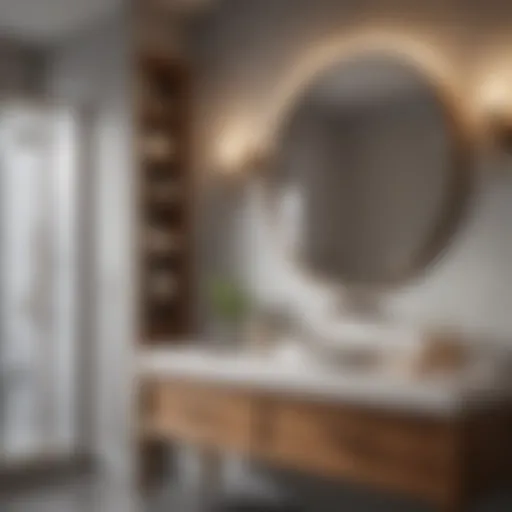
- Floating vanities: These not only enhance the illusion of space but also add an element of modern sophistication.
- Built-in shelves: Create custom shelves using hardwood. They offer storage while blending aesthetically with the design.
- Mirrored surfaces: They can open up the space visually, reflecting the natural beauty of the wood.
Multi-Functional Furniture Choices
Adaptability is vital in a bathroom. Choosing furniture that can serve multiple purposes adds both practicality and charm. Consider:
- Over-the-toilet storage: Make use of that vertical space with wooden shelves that allow for easy access to necessities.
- Stools or benches: Wooden stools not only provide seating but can also function as a side table or additional storage when needed.
- Recessed cabinetry: These can integrate seamlessly into the wall, preserving floor space while keeping the design clean and organized.
Preface to Hardwood in Bathrooms
Integrating hardwood into bathroom design is no longer an eccentric choice reserved for the most daring homeowners. As we embrace a blend of comfort and elegance, the use of natural materials is becoming a hot trend in modern design.
When contemplating updates or complete renovations of bathrooms, many homeowners default to tiles and vinyl. These conventional materials, while practical, often miss the warmth and richness that hardwood can bring to this space. Not only does hardwood elevate aesthetic appeal, but it also provides a welcoming ambiance, making bathrooms feel more like a retreat than just a necessity.
Historical Perspective
The use of hardwood in homes dates back centuries. Traditionally, it was seen primarily in living areas and bedrooms. Bathrooms, often considered purely functional spaces, typically sported materials like stone or ceramic due to their practicality. However, older homes often featured hardwood designs within bathrooms, showcasing an understanding of its potential well before modern trends reclaimed it. Renovators today seek to mimic those vintage vibes while balancing contemporary demands for durability and moisture resistance.
Additionally, the evolution of wood treatment technologies has transformed our approach to using hardwood in wet environments. Once a risky decision, it is now seen as a bold and sophisticated design choice.
Current Trends in Bathroom Design
Today’s homeowners are stepping outside the box with bathroom aesthetics, and hardwood is becoming a favored element. This trend responds to a broader movement toward sustainable and natural materials. Many people are prioritizing items that are not just good for their interiors but also for the planet, steering towards sustainably-sourced hardwood.
Experts in design emphasize how wood enhances the tactile experience of a bathroom. With various species offering a range of colors and grains, there is ample opportunity for personalization. Unlike the coldness of tile, the warmth of wood invites interaction. Plus, integrating hardwood into a bathroom can increase the property's value, as prospective buyers increasingly seek out unique and luxurious features.
As a homeowner, it’s vital to keep your fingers on the pulse of these designs trends. The mixture of innovative techniques with traditional styles allows for tasteful integration of hardwood that speaks to personal style while maintaining function.
"Incorporating hardwood into bathrooms is not just about aesthetics; it's about creating a cohesive experience that resonates with comfort and class."
Exploring this topic will reveal practical insights from experts and homeowners alike, guiding you in making informed decisions in transforming your bath space into a sophisticated haven.
Advantages of Using Hardwood
Hardwood in bathrooms is an advancing trend that highlights various advantages worth exploring. The right choice of wood can elevate a simple space into one that feels inviting and luxurious. It's not just about the aesthetics; the perks of integrating hardwood into your bathroom design touch upon functionality, comfort, and overall ambiance that traditional materials often cannot provide. Homeowners are increasingly drawn to hardwood for these compelling reasons.
Aesthetic Appeal
One of the standout features of hardwood is its inherent beauty. Unlike manufactured materials, no two pieces of wood are the same. Each plank comes with its unique grain patterns, knots, and color variations, thus adding character to bathroom designs. Whether you go for a deep mahogany or a lighter oak, the warmth that wood radiates is unmatched.
For instance, you can create a rich and classic look by using dark-stained hardwood flooring paired with white fixtures, striking a stunning contrast that’s visually calming. This combination draws the eyes and invites a sense of luxury. By taking care in the selection process, homeowners can ensure a seamless blend with existing decor, enhancing the overall vibe of the space.
Warmth and Comfort
Hardwood doesn't just look good; it also brings a sense of warmth and comfort that can be particularly comforting in a bathroom, often associated with cool, hard surfaces. Imagine stepping out of the bath or shower onto a warm wood floor instead of a cold tile. Woods such as cherry or maple can retain warmth, providing a cozy feel that compliments a spa-like experience.
Moreover, wood has insulating properties. It keeps the bathroom at a more comfortable temperature, particularly during chilly winter months. This tactile warmth makes a compelling reason to choose hardwood, especially for homes where comfort is prioritized.
Durability and Longevity
When pondering about bathroom materials, durability is often a concern. Hardwood, specifically when engineered properly and treated appropriately, can stand the test of time. It is susceptible to wear, but with the right finishes and maintenance, hardwood floors can last decades—outlasting many synthetic options available in the market.
"With proper care, hardwood can shine with elegance for years, making it a long-term investment rather than a temporary fix."
A careful selection process can yield finishes that provide moisture resistance. Learn the specifics about wood types; certain species like teak are known for their natural oils that enhance water resistance. By choosing the right wood and treating it carefully, homeowners can enjoy both the beauty and practicality of hardwood in their bathrooms for many years.
In summary, the advantages of using hardwood in a bathroom are multifaceted. From the aesthetic charm to the cozy atmosphere it creates and its potential for longevity, these benefits make hardwood a fantastic option for bathroom designs. Understanding how each factor plays into the overall experience can guide homeowners in their design decisions.
Challenges of Hardwood in a Wet Environment
When it comes to the incorporation of hardwood into bathroom design, one must tread carefully. The bathroom is, by its very nature, a wet environment, which poses particular challenges for using wood as a primary material. Addressing these challenges is crucial for anyone looking to integrate hardwood in their design. It's not just about aesthetics; it's about ensuring that the wood can withstand the humidity, moisture, and other conditions typical of a bathroom setting. Understanding these challenges will help homeowners not only choose the right materials but also maintain their investment in the long run.
Moisture Resistance
Moisture is enemy number one for hardwood. Unchecked, it can warp, swell, or even crack, completely undermining the integrity of the wood. For this reason, selecting the right type of wood is paramount. Some hardwoods have naturally higher resistance to moisture. Teak and mahogany, for example, are known for their ability to resist moisture due to their natural oils.
Moreover, consider treating the wood with specialized waterproof finishes. These finishes create a barrier against water, significantly extending the life of the wood. Examples include polyurethane, which is a popular choice, and marine-grade varnish, which is typically used in boat building for its high degree of water resistance. Homeowners should also be diligent with maintenance. Regularly checking and renewing these finishes can help mitigate the risks associated with moisture exposure.
- Choosing the right hardwood
- Applying appropriate finishes
- Regular maintenance checks
These steps can help ensure that the beauty and functionality of hardwood remain intact in a bathroom atmosphere.
Temperature Fluctuations
Bathrooms can be unique in how their temperatures fluctuate. From steamy showers to cooler averting of air when windows are opened, these changes can impact the wood's structure. Hardwood expands and contracts with temperature changes; if not managed properly, this could lead to gaps or buckling.
To address this, it’s essential to maintain a consistent temperature in the bathroom. Installing proper insulation can help regulate temperature variances. Utilizing radiant heating systems under a hardwood floor can also keep the environment more stable, preventing rapid changes that could harm the flooring. Additionally, avoiding drastic changes such as sudden heat blasts from space heaters can protect the wood from potential damage.

- Maintain even temperatures
- Insulate properly
- Consider radiant heating
These methods act as preventative measures, securing the long-term utility of hardwood through fluctuating bathroom conditions.
Choosing the Right Hardwood
When it comes to integrating hardwood into bathroom design, making the right choice in terms of wood species and characteristics is vital. Choosing the proper hardwood can greatly influence the overall look and functionality of the space. Each type of wood has unique traits that can cater to different design themes and practical needs. This section will elaborate on the significance of selecting the right hardwood, underscoring the impact it has on aesthetics, performance, and sustainability.
Species and Characteristics
In the world of hardwood, there's an overwhelming variety to pick from. Not every wood species is made equal, and that’s where the real magic happens when designing your bathroom. Some species, like oak, offer great durability and are hard enough to stand up to daily wear and tear, but they can be quite porous if not treated properly. On the other hand, teak is known for its natural oils that resist moisture and decay, making it a fantastic choice for wet environments.
When selecting hardwood for bathrooms, you should also consider grain patterns and color. Soft hues of maple or bold tones of mahogany can create contrasting styles, depending on the ambiance you wish to evoke. Additionally, the hardness of the wood will directly affect how it withstands water exposure.
"Selecting the right species involves a trade-off between aesthetics and practicality, but the right balance can create a stunning effect."
Key Characteristics to Consider:
- Water Resistance: Species like teak and mahogany naturally resist moisture better than others.
- Hardness: Hardwoods are rated on the Janka hardness scale; higher ratings indicate better durability.
- Grain and Color: Visual appeal influenced by the wood’s grain and hue can dramatically shift a bathroom's atmosphere.
Sustainable Sourcing
As design trends evolve, there is a growing demand for materials that are not only beautiful but also sustainably sourced. Hardwood sources can often be controversial, with overharvesting leading to deforestation and habitat loss. Choosing a sustainable hardwood option requires a bit of homework, but it's worth the effort.
Look for hardwoods that adhere to sustainable practice certifications, such as the Forest Stewardship Council (FSC) or Sustainable Forestry Initiative (SFI). These organizations ensure that the wood is harvested responsibly, maintaining ecosystem balance and ensuring reforestation practices are followed. Not only do you contribute positively to the environment, but you also integrate a story into your home that resonates with your values.
When selecting a supplier, don't hesitate to ask about the origin of the wood. Ensure that it comes from a controlled, renewable source. If you’re considering more unconventional woods, like bamboo, remember that it is a grass, but its characteristics can be just as alluring in a bathroom setting.
In Summary
Choosing the right hardwood goes beyond mere aesthetics. It’s about balancing beauty, functionality, and ethical considerations. Evaluate not just the wood’s characteristics but how it fits into the bigger picture of your home’s design and sustainability efforts. This thoughtful approach to selection will not only enhance the beauty of your bathroom but will also provide peace of mind that you’ve made a responsible choice.
Wood Finishing Techniques
When it comes to incorporating hardwood in bathroom designs, the finishing techniques applied take on a monumental role. This aspect doesn’t merely enhance the wood’s appearance; rather, it serves as a crucial layer of protection against the inevitable moisture and fluctuating temperature challenges that a bathroom environment presents. A well-executed finish can significantly extend the life of hardwood, making it more resilient to the everyday wear and tear of a high-use area. One cannot underestimate the importance of this topic; it holds the key to preserving the beauty of hardwood while ensuring a functional space.
Waterproof Finishes
Choosing a waterproof finish is essential when working with hardwood in bathrooms. Traditional coatings may not hold up in a humid or wet environment, leading to premature deterioration. One popular choice among homeowners is polyurethane, specifically water-based varieties, which offer excellent durability while also being easier to clean up. Another option is oil-based polyurethane, known for its warm glow but comes with the drawback of a longer drying time.
Beyond these, there are advanced finishes such as moisture-cured urethane that provide heavy-duty protection ideal for bathrooms.
Consider these benefits when selecting a waterproof finish:
- Enhanced Longevity: Proper sealing leads to less chance of warping or damage.
- Resistance to Stains and Mildew: These finishes help resist discoloration that can come from water exposure.
- Visual Appeal: A good finish highlights the natural grain of the wood, adding to the beauty of the bathroom.
Maintenance of Finish
Once a waterproof finish is applied, maintaining it is just as crucial. It isn't enough just to apply a protective layer; ongoing care for that finish ensures the wooden elements remain intact and vibrant.
Routine cleaning should be gentle to avoid wear. Here are some tips for maintaining the finish effectively:
- Use Mild Cleaners: Avoid strong chemicals that can strip the finish off your hardwood.
- Regular Dusting: Keeping surfaces free of debris can prevent scratching.
- Reapplication of Finish: Depending on usage, finishes may need touch-ups every few years. This will preserve the layer of protection against moisture.
"A little regular care can prevent a lot of future headaches."
Assessing and addressing any damage early is also vital. If you start to notice areas where the finish has worn down, acting quickly can save that section from needing a complete refinish. Ensuring that the wood stays hydrated is critical as well; you can apply wood conditioners to keep the natural oils replenished.
As you can see, wood finishing techniques are not just a step in the design process, but rather a cornerstone for integrating hardwood in a bathroom setting. This ties together both beauty and functionality, creating a space that is not only stylish but also sustainable over time.
Designing with Hardwood
When it comes to designing a bathroom that stands out while also offering warmth and character, integrating hardwood can be a game changer. This section highlights how hardwood not only enhances the aesthetic appeal but also brings a unique rustic charm that can elevate the overall atmosphere of the space. In today's fast-paced world where minimalism reigns supreme, adding hardwood creates a balance with nature that many homeowners are yearning for.
Color Palettes and Pairings
Selecting the right colors and finishes can make or break a bathroom's design. Hardwood offers an extensive palette of shades that can complement various styles, from modern to traditional.
- Natural Wood Tones: Shades like oak and maple, with their light, creamy colors, work beautifully in bright spaces, bringing in an airy feel.
- Rich, Dark Stains: For a more dramatic effect, deep mahogany or walnut can add sophistication, pairing well with white fixtures and pastel accents.
- Accent Colors: Don’t shy away from using vibrant colors for the walls or accessories. By opting for pastel or bold hues, you can create a lively contrast that allows your hardwood features to shine.
Consider also the finish on your hardwood. A matte finish provides a more rustic feel, while a glossy finish can add an elegant touch.
"The beauty of hardwood is how it adapts; it can be a canvas for your imagination."
Combining Materials
To truly create a harmonious space in your bathroom, the art of combining different materials with hardwood is key. Here are a few considerations when aiming to blend hardwood with other materials:
- Ceramic and Stone Tiles: Mixing wooden flooring with ceramic or stone tiles is a popular choice. This not only creates a striking visual contrast but also addresses the moisture-control issue prevalent in bathrooms. For instance, you might use tiles near the shower area while allowing hardwood to stretch proudly in the rest of the room.
- Metal Accents: Incorporating metals like bronze and nickel into fixtures and fittings can further accentuate the wood. The richness of metal offsets the organic vibe of wood nicely, striking a balance between contemporary and classic.
- Textiles and Fabrics: Soft furnishings like towels, rugs, and curtains can soften the hard edges of the wood and tile, creating a more cohesive feel. Natural fibers like cotton and linen not only feel good but also add an inviting warmth to the space.
Designing with hardwood presents a canvas filled with possibilities. Focusing on color palettes and the intelligent combination of materials allows you to achieve an extraordinary bathroom that is both functional and pleasing to the eye.
Hardwood Flooring Options
Choosing the right flooring for a hardwood bathroom is a significant step that affects both the functionality and aesthetic of the space. Unlike traditional materials like tiles or carpets, hardwood brings a unique warmth and elegance to bathrooms while also posing distinct considerations. It’s crucial to weigh the pros and cons of various hardwood options to make an informed decision that aligns with your personal style and the practicalities of bathroom use.
Engineered Wood
Engineered wood is a game changer for bathroom designs. Unlike solid wood, which is cut from a single block of timber, engineered wood consists of multiple layers, usually a plywood base topped with a veneer of natural hardwood. This construction makes it remarkably stable and resistant to the moisture fluctuations typical in bathrooms.
Benefits of Engineered Wood:
- Moisture Resistance: Thanks to its layered composition, engineered wood does a better job at handling humidity than its solid counterpart. It’s less likely to warp or cup, which can be a concern in a high-moisture environment.
- Variety of Styles: Available in a myriad of colors, grains, and finishes, engineered wood gives homeowners ample choice to match their decor. Whether you want a light oak or a rich mahogany, there's likely a variant for you.
- Cost-effective: Generally, engineered wood can be more affordable than solid wood while still providing a premium look and feel. This makes it an attractive option for those looking to save some bucks without sacrificing quality.
However, it’s important to note that while engineered wood provides enhanced moisture resistance, it still requires care. Regular cleaning with a damp cloth, but avoiding excess moisture, can keep your floors looking fresh.
"Investing in engineered wood can be like hitting the sweet spot between beauty and practicality in your bathroom."
Solid Wood
Solid wood flooring exudes class and timeless beauty that many homeowners seek when designing their bathrooms. Made from a single piece of lumber, it boasts natural variations in color and grain, making each plank unique. However, choosing solid wood requires careful thought about durability and maintenance in a wet environment.
Advantages of Solid Wood:
- Aesthetics: The rich textures and varied wood patterns of solid wood cannot be easily replicated, providing a deep sense of warmth and charm.
- Longevity: With appropriate care, solid wood can last for decades. Its ability to be sanded and refinished means it can maintain its beauty over time or adapt to new design trends by changing its finish.
- Sustainability: If sourced from responsibly managed forests, solid wood can be a more eco-friendly option compared to engineered alternatives.
Despite these merits, solid wood has its pitfalls in bathrooms. It’s more susceptible to water damage, especially in high-moisture situations, and can expand or contract based on humidity levels. Therefore, proper finishing and maintenance are key to preserving its integrity and preventing unwanted warping.
Alternative Wood Products
Integrating hardwood into bathroom design might seem like all about traditional timber choices. But don't overlook alternative wood products. These materials can provide stunning aesthetics, versatility, and functionality, often at more accessible price points. By considering options like bamboo flooring and luxury vinyl planks, homeowners can get creative while reaping the benefits of enhanced durability and ease of maintenance.
Bamboo Flooring
When talking about sustainable options, bamboo flooring frequently pops up. Once viewed as somewhat unconventional, bamboo is gaining traction in home design, including bathrooms. Originating from a fast-growing grass rather than a tree, bamboo is known for its remarkable strength and hardness.
- Sustainability: Being a renewable resource, bamboo replenishes itself quickly, making it an eco-friendly choice.
- Moisture Resistance: While bamboo isn't completely waterproof, it generally performs better than many hardwoods against moisture. Treatment methods can further enhance its resistance, making it suitable for bathroom environments.
- Aesthetic Versatility: Bamboo can be found in a variety of colors and finishes, ranging from light blond to deeper caramel tones. This variety allows for easy integration into various design palettes.
However, it's crucial to be cautious when selecting a bamboo product. Ensure you choose certified brands that use responsible manufacturing processes. Not all bamboo is created equal, so picking the right product means ensuring quality and sustainability.
Luxury Vinyl Plank
Luxury vinyl plank (LVP) might not scream "wood" at first glance, but it offers a fantastic imitation of natural hardwood. This product has soared in popularity due to its practicality and stylish designs.
- Water Resistance: Unlike traditional hardwood, LVP is entirely water-resistant, making it an obvious favorite for bathrooms. It can effectively withstand splashes and humidity, preserving its appearance over time.
- Comfort Underfoot: Many LVP options come with padded underlays, offering a cushy step that feels nice when walking barefoot.
- Ease of Installation: Many homeowners appreciate that luxury vinyl planks can be installed without professional help. They often feature snap-lock systems or adhesive backs, simplifying the process.
Even though LVP provides a look similar to hardwood, it is important to remember that it lacks the same organic feel. For homeowners seeking authenticity, LVP can complement hardwood features, creating a rich dynamic in the bathroom.
With the right choices across these alternative wood products, you can create an atmosphere that harmonizes functionality with stylish aesthetics. Choosing bamboo or luxury vinyl planks can be the way to go, and maybe even surprise yourself with a unique bathroom design!
Maintenance and Care for Hardwood Bathrooms
Caring for hardwood in bathrooms is not just a matter of keeping up appearances; it’s a necessity that prolongs the life and beauty of the material. Given the inherent fragility of wood when exposed to moisture, understanding the nuances of maintenance is vital. This section examines cleaning routines and damage prevention strategies that help you enjoy your hardwood investment for years to come.
Cleaning Routines
To maintain the luster and integrity of hardwood, regular cleaning is essential. It’s not merely about sweeping up dirt or mopping the surface—rather, it requires a thoughtful approach that considers both the type of finish on the wood and the environmental conditions of your bathroom.
- Daily or Weekly Sweeping: Grit and grime can easily accumulate in a bathroom, making daily or weekly sweeping a good habit. Use a soft-bristle broom or a microfiber cloth to remove dust and debris without scratching the surface.
- Damp Mopping: Every couple of weeks, employ a damp mop with a suitable hardwood flooring cleaner. Make sure to wring out the mop thoroughly; excess water can lead to warping or buckling.
- Deep Cleaning Every Few Months: Depending on the usage and humidity levels, a more in-depth cleaning might be necessary. This could involve using a specialized hardwood cleaner. Always test any new product in a hidden area first.
- Spot Cleaning: Accidents happen, so immediate attention to spills is crucial. Blot spills with a dry cloth and follow up with a slightly damp cloth. For tougher stains, consider a mixture of vinegar and water, but use it sparingly.
Implementing these routines will keep your hardwood looking fresh and attractive. Remember, consistency is key; neglect can lead to a host of problems, from dullness to damage.
Preventing Damage
Hardwood in bathrooms must be managed with care, as the potential for damage is heightened in humid environments. Here are several measures you can take to safeguard your wooden surfaces:
- Humidity Control: Employ exhaust fans or dehumidifiers to regulate moisture levels. Ideally, the bathroom humidity should remain between 30-50%.
- Area Rugs and Mats: Placing mats near sinks and bathtubs can catch drips and spills that might otherwise seep into the wood. Opt for rugs made of natural fibers that won’t trap moisture.
- Proper Ventilation: Ensure your bathroom is well-ventilated to prevent mold and mildew, which can harm both your hardwood and your health.
- Furniture Placement: Be cautious with the placement of furniture. Avoid having heavy items rest on the wood for extended periods, as this can cause indentations.
- Regular Inspections: Every few months, inspect for signs of water damage—bubbles, discoloration, or soft spots. Early detection can save you from costlier repairs down the line.
Maintaining hardwood bathroom surfaces is about preventative actions and regular care. When properly managed, hardwood can retain its timeless beauty amidst both moisture and daily use.
With diligence, the charm of hardwood can endure even in the moistest of spaces. Taking these steps will ensure not just aesthetics but also the longevity and sustainability of your bathroom features.
Trends in Hardwood Bathroom Accessories
Incorporating hardwood accessories into bathroom design is becoming an increasingly popular trend. This shift not only adds elegance to the space but also highlights the versatility of wood as a material. Focusing on accessories like vanities and shelving can significantly enhance both the functionality and aesthetic appeal of your bathroom.
The beauty of hardwood lies in its ability to introduce warmth and texture in often sterile environments. Unlike cold tiles or plastic, wood offers a sense of comfort and sophistication. The aesthetic appeal of hardwood accessories reflects a growing desire among homeowners to create unique, personalized spaces that resonate with their style.
While designing with hardwood, it’s essential to be mindful of moisture levels and proper finishes, which can substantially affect the longevity of your accessories. These considerations make this trend not just about beauty but also practicality. As trends evolve, understanding how to integrate and care for hardwood in bathroom settings is critical. Let’s take a closer look at two primary hardwood accessories—vanities and cabinets, and shelving and storage solutions—that are redefining bathroom designs.
Vanities and Cabinets
When it comes to vanities and cabinets, hardwood shines brightly. They are the centerpiece of any bathroom, providing storage as well as style. A well-designed wooden vanity can serve as a beautiful focal point, bringing warmth to the space while also enhancing practicality. Customers today tend to favor styles that balance modern function with rustic charm.
- Customizable Elements: Hardwood vanities can be crafted to fit any size or layout, thus allowing for customization that suits each homeowner's needs.
- Finish Choices: A range of finishes, from matte to glossy, allows for personalization, ensuring that homeowners can achieve the exact look they envision.
- Sustainable Practices: Many consumers are becoming more eco-conscious, opting for sustainably sourced hardwood, which not only looks great but is also better for the environment.
The combination of utility and style in hardwood vanities makes them an enticing choice for many homeowners, appealing to those who wish to elevate their bathroom without sacrificing function.
Shelving and Storage Solutions
Effective storage solutions are vital in a bathroom, and hardwood shelving provides an excellent way to combine form and function. Open shelving made from wood allows for easy access to frequently used items while adding an aesthetic touch. Here are a few reasons why hardwood shelving is a fantastic choice:
- Visual Warmth: Wood shelving warms up the often cold and clinical feel of a bathroom, providing a natural contrast.
- Versatile Designs: From floating shelves to freestanding units, the designs available allow homeowners to play with layouts that maximize both style and space efficiency.
- Natural Elements: Incorporating plants or decorative items on wooden shelves can create a spa-like feel, enhancing the calming atmosphere in a bathroom.
"Accessories tell the story of your style. They can elevate the ordinary to extraordinary, making even a small bathroom feel expansive."
Lighting Considerations
Lighting plays a critical role in any design, and when it comes to integrating hardwood into bathroom spaces, the importance of thoughtfully considering illumination cannot be stressed enough. Proper lighting highlights the wood's natural beauty, impacts the ambience of the space, and can even influence how colors appear in your bathroom. Striking a balance between natural and artificial lighting is essential not just for aesthetics but also for functionality and safety.
Natural vs. Artificial Lighting
Natural lighting offers an almost magical quality to a room. Sunlight filtering through a window creates warmth and can enhance the rich tones of hardwood, making it visually impactful. This is especially relevant for bathrooms, where you might want to capture the early morning sun or the soft glow of the evening light. Incorporating large windows or skylights can significantly enhance the natural brightness of the space. However, one must also be mindful of privacy — strategically placing frosted glass or using curtains that allow light while maintaining secrecy can solve this dilemma.
To maximize natural light, consider the orientation of your bathroom. South-facing windows typically allow for more sunlight throughout the day, whereas north-facing ones offer cooler, indirect light. This effect can be particularly beneficial in smaller bathrooms, where light can help create the illusion of more space. Installing mirrors across from windows can bounce the light around, adding to the airy effect.
When natural light isn’t an option, or during the evening hours, artificial lighting becomes essential. Choosing the right fixtures helps in complementing the hardwood's rich hues. Warm-white LED lights, for instance, can create a cozy environment that mimics natural sunlight.
Here are some lighting options to consider:
- Vanity lights: install fixtures at eye level to illuminate your face for grooming without casting harsh shadows.
- Recessed lighting: these can be placed throughout the ceiling to provide even illumination without sacrificing design aesthetics.
- Accent lighting: use it to highlight specific areas or features, perhaps targeted on unusual wood cabinetry or a standout feature wall.
In balancing both forms of lighting, homeowners can create spaces that not only function well but also provide a tranquil and welcoming environment. Knowing when to rely on natural light and when to turn on your well-thought-out electrical fixtures is key to a stylish and effective bathroom.
Highlighting Wood Features
The beauty of hardwood lies in its unique grain and color variations — pay attention to these aspects when designing your bathroom's lighting. Highlighting wood features can dramatically transform a bathroom, turning what could seem like a simple design choice into a statement.
Consider installing spotlights or LED strips under floating vanities or above wall-mounted cabinetry, casting a soft glow that emphasizes your hardwood’s texture and warmth. This gives the wood a chance to shine while providing essential lighting for functionality. Under-cabinet lighting is particularly useful in enhancing the appeal of wooden shelves or floating structures, creating a soft halo effect that adds depth.
As a rule of thumb, warm lighting will generally make wood surfaces look richer and more inviting. It’s also wise to avoid extremely bright or cold lights as these can wash out the warmth of the wood, resulting in a sterile environment. Play with layers of light — ambient, task, and accent should all work in tandem, guiding the eyes to your exquisite hardwood without overshadowing it.
Incorporating dimmers can enable homeowners to adjust lighting according to mood or occasion. For instance, using a soft warm glow for a relaxing bath and a brighter setting for the intricate details of your daily skincare routine can substantially improve the experience of the space.
Ultimately, with the right lighting choices, hardwood features can become the stars of your bathroom design, illuminating not just the space but also the beauty of the materials used — making your bathroom a sanctum of relaxation and style.
"Lighting does not just illuminate spaces; it storifies them, wrapping your world in a canvas of light and shadow, and highlighting the beauty of choice — like hardwood floors."
In summary, the effective use of lighting is indispensable when integrating hardwood into bathroom design. It enhances not only the aesthetics but also the overall functional aspects of your space, ensuring that each piece of wood stands proud. A carefully curated lighting plan can elevate the hardwood elements, creating a serene and inviting atmosphere that delights the senses.

Integrating Technology
In the ever-evolving world of bathroom design, integrating technology into hardwood features is not merely a trend; it's a transformative necessity. As homeowners seek to create spaces that are not only aesthetically pleasing but also practical, the incorporation of smart technology becomes significant. This integration can dramatically enhance functionality, comfort, and energy efficiency, all while maintaining the natural charm of hardwood.
Smart Fixtures
Smart fixtures have redefined convenience in the bathroom. Imagine a shower head that adjusts temperature automatically based on your preferences or a faucet that turns on with the wave of a hand. These fixtures not only make daily routines more seamless but also help conserve water, a tip of the hat to eco-friendliness. In a hardwood bathroom, the inclusion of smart technologies enhances the modern vibe without compromising the warmth that wood brings to the space.
- Types of Smart Fixtures:
- Smart Showers: These often feature digital controls that allow you to pre-set water temperatures, ensuring a perfect start to your day.
- Automated Faucets: Activated by sensors, reducing water wastage and keeping your surfaces clean and dry.
- Lighting Controls: Smart lighting can be integrated into your hardwood designs, allowing different moods with just a few taps on your smartphone.
Integrating these smart fixtures means you can have a residential space that marries innovation with elegance, making your bathroom a haven of relaxation and efficiency.
Heating Solutions
Heating is another crucial aspect of integrating technology in a hardwood bathroom. Wood, while warm in tone, can sometimes feel cool underfoot, especially in colder months. This is where heated flooring solutions come into play. Radiant heating systems installed beneath hardwood floors can create an inviting and cozy atmosphere, enticing you to linger a little longer.
- Benefits of Heated Floors:
- Enhanced Comfort: Stepping onto warm wood rather than a cold tile can transform the entire experience of using the bathroom.
- Energy Efficiency: Radiant heating can be more energy-efficient than traditional heating systems, as it heats objects rather than just the air.
- Consistent Temperatures: Unlike forced-air heating, which can create cold spots, radiant floors distribute warmth evenly.
Incorporating heated floors aligns perfectly with the luxurious feel of hardwood, ensuring that your bathroom feels both stylish and functional throughout the year.
"Integrating technology into your bathroom design isn’t just a favor to yourself; it’s an investment in long-term comfort and efficiency."
Embracing these technological advancements means your hardwood bathroom not only stands out for its beauty but also for its thoughtful integration of modern conveniences, creating a space that truly serves your lifestyle.
Legal and Safety Considerations
When embarking on a renovation that includes hardwood in a bathroom, it's crucial to take into account legal and safety considerations. This section doesn't just cover the checklist for compliance; it’s about ensuring peace of mind throughout your project. From grasping building codes to understanding fire safety, these elements work together to protect both your investment and your home's occupants.
Building Codes and Regulations
Adhering to building codes and regulations is a cornerstone of any successful home improvement project. These codes vary by location, often dictated by local governments or homeowner associations. Here are some practical considerations:
- Local Regulations: Before any renovations, check with your local building authority. They’ll provide guidance on permissible materials and construction practices.
- Moisture Control: Many regions have specific codes relating to moisture management in bathrooms. This includes ventilation requirements and the need for moisture-resistant materials in certain areas of the bathroom.
- Professional Installation: In many cases, employing licensed professionals can not only ensure compliance but also enhance safety. They are familiar with local codes and ensure that any electrical wiring for heated flooring or lighting is safe and meets the necessary regulations.
"Ignoring local codes can lead to hefty fines and costly remediation down the line."
Failing to adhere to these regulations can lead to not only a compromised renovation but potential legal troubles as well. Homeowners need to be proactive in researching these regulations to avoid issues.
Fire Safety with Wood Materials
Integrating hardwood into a bathroom raises a fundamental question: is it fire-safe? While wood is a natural material that has its appeal, the fire safety aspect cannot be overlooked. While many people may think of wood as inherently risky when it comes to fire, a number of safety measures can be taken:
- Fire-Retardant Treatments: These treatments can be applied to hardwood surfaces, significantly reducing their flammability.
- Proper Installation: Ensure that any wood is installed with adequate space from heat sources such as electrical fixtures or heating units.
- Fire Alarms and Sprinklers: A working alarm system and, where appropriate, sprinkler systems can mitigate potential fire hazards in the home. They offer an additional layer of security that helps keep families safe.
- Material Choices: Some types of wood have better natural fire resistance than others. Research types such as cedar or redwood which are known for their protective qualities.
Incorporating hardwood into your bathroom can be stylish and sophisticated, but without attention to these legal and safety considerations, the risks can outweigh the benefits. Smart, informed choices will ensure that your hardwood integration enhances not just the aesthetics of your space but also its safety.
Cost Considerations of Hardwood in Bathrooms
When it comes to integrating hardwood into bathroom design, cost considerations wear many hats. It's not just about the price tag slapped on a beautiful slab of oak or cherry; it's about understanding the long-term implications of your choices. Investing in hardwood can initially seem daunting, but weighing these costs against their potential benefits reveals a deeper narrative worth exploring.
Initial Investment vs. Long-term Value
Choosing hardwood for your bathroom isn’t merely a surface-level decision. While the upfront cost often gives most homeowners pause, the underlying value it provides can outweigh the initial investment. Hardwood flooring typically has a higher price per square foot compared to tile or vinyl options. However, when you consider durability and longevity, hardwood often emerges as the champion.
Here are a few points to ponder:
- Longevity: Quality hardwood can last decades, outliving its tile and vinyl counterparts. When well-maintained, it can remain both functional and visually appealing long after initial installation.
- Home Value: The beauty of hardwood can boost your property’s resale value. A bathroom that features elegant wood accents may entice potential buyers more than a standard tiled space.
- Personal Satisfaction: Beyond financial metrics, there's a certain satisfaction that comes from investing in materials that resonate at a personal level. Living with a rich wood texture can create an inviting atmosphere, transforming a bathroom into a personal retreat.
Budgeting for Installation
Having decided that hardwood seems the best route for your bathroom, the next step is to map out the budget for installation. While it might be tempting to rush in, taking the time to craft a detailed budget may save you some headaches later on.
Key Elements to Estimate Installation Costs:
- Labor Costs: Professional installation is often recommended for hardwood due to the precision required and the potential to damage materials if you go the DIY route. Be sure to get quotes from a few contractors, as prices can vary markedly.
- Preparation Work: If your bathroom requires additional work, like leveling the subfloor or removing existing flooring, these expenses should be factored in.
- Materials: Don’t forget about the additional materials needed beyond just the wood. Underlayment, adhesives, and finishing materials can add up quickly.
- Contingency Fund: Let's face it: unexpected expenses pop up. Setting aside an extra 10-15% of your total budget can cushion any surprises, ensuring you stay within limits.
A well-planned budget accounts for every corner, ensuring that financial concerns don’t overshadow the beauty of your hardwood integration.
Case Studies: Successful Hardwood Bathrooms
Exploring case studies of successful hardwood bathrooms shines a light on the potential that exists in integrating such beautiful materials into this intimate space. These real-life examples provide valuable insights into both the challenges and triumphs encountered by homeowners and designers alike. By examining these experiences, we can draw useful lessons and get a clearer picture of how to harness the warmth and beauty of wood while avoiding potential pitfalls.
Homeowners' Experiences
Homeowners have varied reasons for incorporating hardwood in their bathrooms. A few individuals have shared their journeys, revealing the blend of emotion and logic in their decision-making. One homeowner, Sarah, replaced her standard tile flooring with rich walnut boards. She remarked, "It was a leap of faith. I was nervous about the moisture, but it really transformed the whole room. It feels warmer and more inviting now."
Sarah's experience highlights the feeling of comfort that hardwood can bring, but it also points to a significant consideration: moisture resistance. She implemented specific maintenance routines, utilizing quality sealants to protect her flooring. Another homeowner, Thomas, designed a stunning bathroom featuring ash cabinetry. He noted that although the initial costs were higher, the long-term value and aesthetic richness outweighed the investment. In his words, "It was worth every penny; the beauty and unique grain of the wood make it all feel so personalized."
Such personal accounts reflect a common theme of prioritizing aesthetics without losing sight of practicality. Homeowners across the board reveal that the crux of the issue is in creating a functional, safe, and beautiful bathroom space that’ll be enjoyed for years to come.
Designer Insights
Designers specializing in hardwood integration in bathrooms also offer important perspectives. Renowned designer Mia Torres shared her approach to this unique challenge, emphasizing that “the best results come from understanding your materials’ properties.” She suggests incorporating engineered wood, which presents an excellent option when moisture is in the air. This durable solution resists warping and swelling while embracing the look of natural hardwood.
Mia further recommends a hybrid approach: complementing hardwood elements with moisture-resistant materials. “Think about mixing wood with ceramics or glass. This contrast not only provides visual interest but also enhances durability.” She often sees designs where wooden shelves are neatly paired with porcelain sinks, striking a perfect balance between rustic charm and modern elegance.
In essence, successful case studies affirm the idea that effective hardwood bathroom design does not compromise safety while adding warmth and character. It takes thoughtful planning and execution—something both homeowners and designers advocate for through their collective insights.
Case studies illuminate the real-world possibilities and challenges of integrating hardwood into bathroom design, transforming potential fears into informed decisions.
Pragmatic considerations from these experiences suggest that applying knowledge from others can guide homeowners toward achieving their ideal spaces. Draw inspiration from their victories, and use these insights as a cornerstone for your creative journey in hardwood bathroom design.
End and Future Directions
Integrating hardwood into bathroom design may seem like an unconventional choice, but it’s proving to be a popular option that resonates with many homeowners. As we look forward, understanding the significance of hardwood not just as a material but as an element that can enhance the overall bathroom atmosphere is paramount. This section dives into the essence of adopting hardwood, acknowledging its unique characteristics while contemplating future trends.
Summarizing Key Insights
The journey through hardwood's incorporation into bathrooms reveals several important insights:
- Versatility: Hardwood is adaptable; it melds with various styles, from rustic to modern chic.
- Sustainability: A growing number of manufacturers focus on sourcing hardwood sustainably, aligning with eco-conscious consumers.
- Functional Elegance: Unlike typical tiles or laminated surfaces, hardwood provides warmth that can't quite be replicated, making a space more inviting.
- Long-term Value: Investing in hardwood can lead to added value for properties, as it is associated with luxury and comfort.
These insights highlight the richness and depth that hardwood brings to bathroom design. Many folks might find it hard to initially consider wood suitable for bathrooms, given moisture and maintenance worries. However, with correct techniques and products in place, the fears of deterioration can be effectively mitigated.
Evolving Trends in Hardwood Design
As we gaze into the horizon of bathroom design evolution, several trends around hardwood integration are beginning to take shape:
- Innovative Finishing Techniques: New technologies in finishes that repel moisture and stains are becoming more common, successfully marrying elegance with durability.
- Mixing Materials: A rising trend involves combining various materials like concrete, stone, and metal with hardwood, creating intriguing juxtapositions that captivate the eye.
- Emphasis on Natural Aesthetics: Homeowners are now leaning towards more organic looks; subdued and earthy tones often dominate newer designs, allowing hardwood's natural grain to shine through.
- Smart Design: The rise of smart fixtures means that bathroom designs are moving toward incorporating tech in ways that enhance functionality without undermining aesthetic integrity.