Mid-Century Modern Double Vanities for Bathrooms

Intro
Bathroom design often takes a backseat to other areas of the home—living rooms, kitchens, and bedrooms tend to grab the spotlight. However, the bathroom, especially when it comes to mid-century modern double vanities, offers a unique opportunity to blend functionality with aesthetic sophistication. During the mid-20th century, designers started to prioritize clean lines, organic forms, and an emphasis on craftsmanship. These principles laid the groundwork for creating spaces that feel not just utilitarian, but also inviting.
When exploring mid-century modern double vanities, one must consider the distinct characteristics that define this style, which include simplicity, a warm color palette, and a harmony with nature. Homeowners or designers looking to breathe new life into their bathrooms have an excellent chance to achieve a seamless blend of form and function. In this article, we'll delve deeper into design inspirations and functional elements of mid-century modern double vanities, offering insights and guidance tailored for those looking to enhance their bathing spaces.
Design Inspirations
The aesthetic of a mid-century modern bathroom can transform dull spaces into oases of style and comfort. To bring a mid-century vibe into your bathroom using double vanities, focus on contemporary twists on classic designs.
Latest Trends in Bath and Bedroom Design
In the current design climate, mid-century modern elements are making a robust comeback. Here are a few trends that stand out:
- Sustainable Materials: There’s an increasing demand for eco-friendly products. Consider vanities made from reclaimed wood or bamboo to add warmth and sustainability to your space.
- Integrated Technology: Today’s homeowners prefer incorporating tech features like heated floors or built-in speakers into their designs. A modern take can be seen where classic aesthetics marry innovative functionalities.
- Bold Lighting: Fixtures that combine artistic flair with functionality—think pendant lights with geometric shapes—enhance the overall atmosphere without overshadowing the vanity.
Color Palettes and Themes
When it comes to colors in mid-century bathrooms, earthy tones reigned supreme. These colors create a relaxed ambiance while still making a striking impact. Consider:
- Muted Greens and Blues: These shades evoke tranquility.
- Warm Neutrals: Such as taupe or dusty pink blend well with browns, emphasizing the organic vibe.
- Accents in Brass or Gold: These details add a touch of elegance and glamour, enhancing the overall appeal of the bathroom.
Designing a bathroom with these colors in mind can help set the perfect backdrop for your double vanity.
"A well-designed bathroom is like a symphony—each element must come together in harmony."
Functional Elements
Beyond mere visual appeal, the functionality of mid-century modern bathroom double vanities deserves attention.
Space Optimization Tips
In smaller bathrooms, maximizing space is crucial. Here are some tips to effectively utilize your space:
- Floating Vanities: They provide an illusion of more floor space and draw the eye upwards.
- Multi-Colored Patterns: Tiles that use multiple colors can make a small area feel larger.
- Built-in Storage: Integrating shelves or cabinets into the design keeps the area tidy and organized.
Multi-Functional Furniture Choices
In today’s fast-paced life, multi-functionality in furniture is essential. Mid-century modern double vanities can incorporate the following:
- Integrated Sinks: Vanities that combine sink and countertop in one piece create a streamlined look and save on space.
- Double Vanities: They allow two people to use the bathroom simultaneously, managing time more efficiently.
- Dressing Tables: Some vanities are designed to serve dual purposes, i.e., as a dressing area, which can be crucial for busy households.
By considering these functional elements, homeowners can ensure that their mid-century modern bathrooms are not just stylish but also practical.
Understanding Mid-Century Modern Design
Mid-century modern design has become synonymous with innovation and elegance. Its principles have transcended time, making it a favored choice for homeowners who seek to harmonize aesthetics with functionality. In the realm of bathroom design, understanding these mid-century modern elements is crucial, especially when integrating double vanities.
The emphasis on simplicity and clean lines in mid-century designs allows for a bathroom atmosphere that is both serene and stylish. Key characteristics such as the blend of natural materials with minimalistic artistry play a significant role in setting an inviting tone for a personal oasis. Knowing how to implement these design concepts provides homeowners with an opportunity to create a space that resonates with their lifestyle while retaining a timeless quality.
Historical Context
To fully appreciate mid-century modern design, one must look back to the mid-20th century. This era, marked by a post-war optimism, saw a surge in adaptions inspired by technological advancements. Architecture and design began to reflect the changing American landscape, embracing bold lines and organic forms. Influential figures such as Charles and Ray Eames and George Nelson contributed to a movement that prioritizes both functionality and form.
This design period brought forward a democratic approach to aesthetics, making stylish decor accessible to the masses. The era's philosophies continue to influence contemporary design, especially in spaces like bathrooms, where the function of furnishings is elevated alongside their visual appeal.
Defining Characteristics
Clean Lines
Clean lines serve as a cornerstone of mid-century modern bathroom design. This aspect creates a sense of order and sophistication, allowing double vanities to take center stage without overwhelming the space. The straight edges and angular shapes associated with clean lines are beneficial, steering clear of unnecessary ornamentation that can clutter the visual landscape.
With well-defined silhouettes, the focus lies on materials and color, which can bring depth and character to an otherwise muted space. Clean lines are not just aesthetic; they carve out a practical function by allowing easier movement within the bathroom, which translates to enhanced efficiency during daily routines.
Simplicity of Form
Simplicity of form signifies the absence of excess in both design and materials. This characteristic aligns with the mid-century ethos of 'less is more,' offering a refreshing take on bathroom furnishings. Double vanities designed with a simple form can neatly integrate storage solutions while presenting a sleek, unobtrusive appearance.
The beauty of simplicity lies in its versatility. A well-designed double vanity can adapt to various styles, from modern to traditional, making it a beneficial addition. This minimalist approach delivers clarity and calmness, ensuring the bathroom maintains an inviting atmosphere.
Integration with Nature
Integrating with nature is another hallmark of mid-century modern design, fostering a strong connection between indoor and outdoor spaces. This philosophy encourages the use of natural materials and neutral palettes, which in turn enhances tranquility within the bathroom. A double vanity crafted from warm woods or complemented by stone surfaces embodies a sense of groundedness, bridging the gap between modern living and the organic world.
This approach brings advantages such as improved air quality and a greater sense of well-being. Many homeowners find that incorporating such elements helps create a nurturing environment, especially in spaces meant for relaxation and self-care.
By exploring these defining characteristics of mid-century modern design, homeowners can cultivate a bathroom space that merges functionality with beauty, honoring both tradition and contemporary needs.
The Role of Double Vanities in Bathroom Design
Double vanities play a crucial role in modern bathroom design, particularly in homes embracing mid-century aesthetics. As we dive into this topic, it’s essential to understand how these fixtures not only enhance functionality but also bring a sense of style to the space. A double vanity goes beyond mere practicality; it embodies the ethos of mid-century modern design, promoting harmony and elegance in its space.
Aesthetic Appeal
Visual Balance
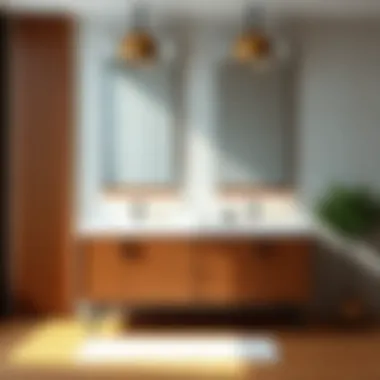
Visual balance is a cornerstone of mid-century design, and double vanities excel in this regard. When placed in a bathroom, they create a sense of symmetry that enhances the overall visual experience. This symmetry draws the eye, instilling a feeling of tranquility and order. For instance, imagine a vanity crafted from graceful walnut, paired with sleek white sinks, flanking each side. The clean lines work in tandem with the organic forms typical of the mid-century style.
The beauty of visual balance lies in its ability to transform a cluttered room into a cohesive environment. A well-placed double vanity can anchor the bathroom design, providing an aesthetic centerpiece that other elements adhere to seamlessly. This not only elevates the room's overall look but also establishes a focal point, contributing to a calming atmosphere.
Space Utilization
Space utilization is another significant aspect of double vanities. In bathrooms where every inch counts, these fixtures shine by offering ample workspace and storage. A double vanity means two sinks, allowing multiple users to access the area simultaneously without stepping on each other's toes. This is particularly beneficial in a bustling household where mornings can be rather chaotic.
The strategic placement of a double vanity can optimize the space available, turning what may seem like a limited area into a well-organized oasis. Whether placed against a wall or in a corner, a double vanity can make a small bathroom feel more spacious while providing essential storage options like drawers and cabinets. This dual functionality is one of the reasons double vanities are so popular in mid-century modern design.
Functional Benefits

Improved Workflow
Improved workflow is undeniably one of the standout benefits of incorporating a double vanity into bathroom designs. A major advantage is the efficiency it brings; having two sinks means that family members can easily coexist in the same space. This arrangement minimizes the typical bottlenecks characteristic of single vanity setups. For example, one person can brush their teeth while another washes their face, enabling a smoother, quicker morning routine.
Moreover, the layout of a double vanity often encourages a functional zone without the clatter of overcrowded counters. By organizing toiletries and grooming essentials in designated areas, homeowners can maintain an uncluttered space that aids in productivity. This workflow enhancement is particularly valuable during busy times when every second counts.
Enhanced Storage
Enhanced storage options are another key element in the discussion about double vanities. With more surface area and cabinets, these vanities allow for not only better organization but also flexibility to accommodate diverse needs. Imagine incorporating sliding drawers specifically designed to house hair tools, makeup, and personal care items. This means less digging through clutter when you’re on a mission to find that favorite hair gel.
Furthermore, the additional space can accommodate larger items like extra towels or bathroom supplies, which can often get crammed into a smaller vanity. With everything within reach yet neatly tucked away, a double vanity promotes a clean, uncluttered look that resonates with the mid-century modern ethos of simple elegance.
Selecting Materials for Mid-Century Vanities
Choosing the right materials for mid-century modern bathroom double vanities is crucial as it influences not just the aesthetic appeal but also the longevity and functionality of the space. The materials selected should echo the essence of mid-century design—clean lines, quality craftsmanship, and harmonizing with the environment. This section will delve into both wood and surface material options, exploring their characteristics, benefits, and considerations.
Wood Options
The wood choice significantly shapes the vanity's overall look and feel. Each type of wood comes with its own unique properties, contributing not only to aesthetics but also to the durability and maintenance of the vanities.
Teak
Teak stands out due to its natural oils, which make it highly resistant to moisture—a desirable quality in bathrooms. This wood’s rich tones and distinctive grain patterns add warmth and elegance to any setting. Teak is a common choice among homeowners looking for durability without sacrificing style. Its unique feature is the ability to repel water and withstand fluctuations in humidity. However, the price point can be higher than other woods, which is something to consider for budget-conscious projects.
Walnut
Walnut is beloved for its dramatic grain and deep, rich color, making it a popular choice in high-end designs. Its strength is commendable, making it suitable for daily use. A key feature of walnut is its excellent resistance to warping, which is pivotal in a bathroom where moisture is prevalent. While it can add a luxurious touch to your vanity, its darker hues may require good lighting to ensure spaces feel open and inviting. Additionally, walnut's cost can be daunting, but many believe it to be worth the investment for durability and beauty.
Oak
Oak, known for its robust nature and versatility, serves as another excellent wood option. It can be found in various finishes, allowing homeowners flexibility in design. The feature that often stands out with oak is its prominent grain, giving a rustic yet refined look that aligns well with mid-century decor. One thing to note: oak can be susceptible to denting, so adding protective layers is wise. Generally, oak is a practical choice that offers durability at a more accessible price than teak or walnut.
Surface Materials
The choice of surface materials for a double vanity is what gives it character. It should not only enhance the overall aesthetic but also withstand daily wear. Here are some surface options to consider:
Laminate
Laminate is indeed an underrated choice for mid-century vanities. It offers myriad colors and patterns, appealing to those who want to jazz up their space without committing to high maintenance. The key characteristic of laminate is its affordability and ease of cleaning, making it an attractive option for busy households. However, it's essential to be mindful—laminate can be less durable than stone options and may not withstand heat as well.
Marble
Marble is synonymous with luxury and elegance. It brings a timeless quality to any surface, perfect for a vanity that wants to make a statement. The uniqueness of each marble slab, with its distinctive veining, is a significant attraction. However, potential downsides include being porous, which means it requires regular sealing to prevent staining. This added maintenance can be a consideration for homeowners with busy lives.
Quartz
Quartz surfaces are engineered, combining natural stone with resins. The key advantage of quartz is its non-porous nature, making it remarkably stain-resistant and low-maintenance. This stone lasts long, maintaining its beauty with little effort. Moreover, it comes in various colors and patterns. The downside? It may miss that natural variation some homeowners seek in material. However, for those focused on durability and ease of use, quartz shines as a strong contender.
Choosing the right materials is foundational to crafting a mid-century modern bathroom that is both functional and visually striking.
Finale of Materials
In selecting materials for your mid-century modern double vanities, understanding the properties of wood and surface materials is paramount. From the robustness of teak and walnut to the affordability of laminate and the elegance of marble and quartz, each option has something distinct to offer. Balancing aesthetics, functionality, and maintenance will ultimately guide the homeowner’s decisions, leading to a bathroom environment that feels both timeless and comfortable.
Layout Considerations for Double Vanities
When contemplating mid-century modern double vanities, layout plays a pivotal role in establishing not only functionality but also aesthetic appeal. The configuration and placement can transform how the space feels and operates, allowing homeowners to maximize efficiency while ensuring a stylish ambiance. An effective layout encourages a seamless flow in the bathroom, making it a pleasant space for daily rituals.
Space Planning
Dimensions and Proportions
In the realm of bathroom design, understanding dimensions and proportions is crucial when arranging double vanities. The chosen dimensions directly impact how spacious the bathroom feels. For instance, a standard double vanity often measures between 60 to 72 inches in width. This range provides ample sink space for two users while allowing for comfortable movement around the unit.
Key characteristic: a well-sized vanity ensures that the bathroom doesn’t feel cramped, striking the right balance between functional and snazzy. Selecting a unit that doesn’t exceed the overall spatial dimensions helps in maintaining a light and airy atmosphere—perfect for mid-century aesthetics.
One significant advantage of appropriate dimensions is the resulting visual balance. A too-large vanity may dominate the room, overshadowing other design elements. Conversely, if the vanity is overly modest, it can appear lost, undermining the intention of grandeur often found in mid-century design.
Traffic Flow
Traffic flow, or how users move through the space, is another critical consideration when selecting layouts for double vanities. A thoughtfully planned layout facilitates smooth transitions between different areas of the bathroom, enhancing user experience. For instance, positioning the vanities away from doorways and limiting obstructions encourages an unobtrusive circulation space.
Key feature: optimizing traffic pathways can prevent bottlenecks, particularly during busy morning routines when multiple family members might be getting ready simultaneously. Proper placement enables uninterrupted access to sinks, appliances, and other amenities—all aspects of familial life that warrant attention.
Unique aspect: one common pitfall is creating a crowded atmosphere by placing too many features close together. This can lead to a feeling of being boxed in, something that mid-century modern design aims to avoid. By ensuring that the double vanity isn't wedged into a corner yet allows enough room for door swing and movement, you help enhance overall usability.
Design Configurations
Parallel Arrangement
The parallel arrangement is a popular choice in mid-century modern design, especially for bathrooms aiming for a practical yet stylish approach. This setup places two vanities side by side, typically against one wall. It serves the purpose of maximizing space by allowing users to stand facing each other, which can encourage collaboration during hectic morning times.
Key characteristic: the symmetry in a parallel arrangement exudes balance, a hallmark of mid-century modern principles. With right proportions, this layout can give a sense of openness, which is necessary for a serene bathing experience.
A distinct advantage of this setup is that it can easily be customized with personal touches—different mirrors or light fixtures can be used for each side, lending an individual flair without sacrificing cohesiveness.
Back-to-Back Setup
Another intriguing configuration is the back-to-back setup, which allows vanities to face opposite sides in a spacious bathroom area. This creates a centralized feature for whoever enters the bathroom, drawing attention to the vanity setup.
Key advantage: such a layout is ideal in larger bathrooms, as it capitalizes on the spaciousness while creating two distinct zones for each user. Not only does this enhance usability, but it also permits an unexpected design opportunity—different finishes can be utilized on each side for a splash of creativity.
However, a possible drawback would be the increased plumbing complexity, as the water supply and drains need to be precisely positioned to handle the collective sinks.
Corner Units
For bathrooms with limited space, corner units offer a clever solution by utilizing often-overlooked areas. Placing the double vanity in such a manner takes advantage of wall space while still providing ease of access.


One effective feature of corner units is that they can simultaneously enhance storage solutions, often with additional shelving or cabinets built into the design. This makes them highly functional, especially in smaller bathrooms where storage is at a premium.
However, the unique shapes of corner vanities might limit options for sinks and countertop materials, making selection important. A poorly designed corner unit can feel cramped or awkward, thus careful consideration is necessary to ensure it aligns with both the mid-century vision and practical needs.
In summary, the layout of your double vanity has a significant impact on not just the style, but the functionality of your bathroom space. Thoughtful planning around dimensions, traffic flow, and configurations enables homeowners to reap the stylish yet functional benefits inherent in mid-century modern design.
Incorporating Mid-Century Modern Elements
In the world of bathroom design, incorporating mid-century modern elements plays a vital role in creating a space that is not only stylish but functional as well. This design philosophy resonates with many homeowners, as it promotes simplicity and elegance while enhancing the overall aesthetic of the bathroom. By focusing on key elements such as color palettes, fixtures, and accessories, one can create an inviting atmosphere that reflects the mid-century modern ethos.
Color Palettes
Neutral Bases
Neutral bases are fundamental in achieving a cohesive mid-century modern bathroom. These shades, which may include whites, grays, and soft earth tones, serve as the canvas upon which the rest of the design is built. The beauty of neutral bases lies in their ability to complement a wide range of accent colors, offering flexibility when choosing furnishings and decor. Additionally, they create a sense of calm and spaciousness, essential for smaller or less naturally-lit areas.
A key characteristic of neutral palettes is their adaptability. By opting for neutral tones, homeowners can easily switch up their accessories or artwork without needing a complete redesign. They provide an understated elegance that reinforces the minimalist ideals of mid-century modern style.
Advantages of using neutral bases:
- Timeless appeal that suits various styles
- Makes spaces appear larger and more open
- Easily pairs with various accent colors
Accent Colors
Accent colors play a crucial role in enhancing the visual interest of a mid-century modern bathroom. These vibrant shades, which can range from rich greens to bold oranges, can energize the space without overwhelming it. When applied thoughtfully, they highlight specific design elements, like a double vanity or unique fixtures.
The standout feature of accent colors is their transformative power. A splash of color can turn a dull corner into a focal point, inviting attention and appreciation. While bold and lively, these hues should be balanced with neutral bases to avoid creating a chaotic appearance.
Benefits of accent colors:
- Adds personality and character to the space
- Creates contrast for an engaging visual experience
- Can be easily updated without major renovations
Fixtures and Accessories
Lighting Choices
Lighting choices are crucial when incorporating mid-century modern elements, as they can significantly influence the mood and functionality of the bathroom. Fixtures such as pendant lights or wall sconces with clean lines and geometric shapes are characteristic of this design period, blending seamlessly with double vanities.
What sets these lighting choices apart is their ability to provide both task and ambient light. For example, a well-placed sconce above the mirror can illuminate the area effectively while enhancing the aesthetic appeal of the space. The right lighting contributes to an inviting environment and can make smaller spaces feel larger and more open.
Advantages of thoughtful lighting choices:
- Enhances the overall design while providing necessary illumination
- Encourages a warm atmosphere, important in personal spaces
- Offers flexibility in design, from vibrant to subtle lighting styles
Hardware Selection
When it comes to hardware selection, the choice of knobs, pulls, and faucets can either elevate or detract from the mid-century modern aesthetic. Selecting hardware with clean lines and metallic finishes, such as brushed nickel or brass, can enhance the streamlined design typical of this era.
A unique feature of well-chosen hardware is its ability to unify the entire space. Since hardware is often one of the last elements added, it can serve as a final touch that ties together the various components of the design. It's essential to maintain consistency in finishes and styles to ensure visual fluidity throughout the bathroom.
Benefits of careful hardware selection:
- Provides an opportunity for personalization and stylistic expression
- Enhances the coherent aesthetic if matching styles are used
- Often available in a wide range of prices, making quality accessible
Mid-century modern design welcomes creativity while adhering to important principles. It's all about striking the right balance between functionality and aesthetic charm.
Maintaining Mid-Century Modern Vanities
Maintaining mid-century modern vanities is a cornerstone for preserving the elegance and functionality that define this unique style. The importance of upkeep goes beyond mere aesthetics; it also impacts the longevity of these fixtures. Given that many mid-century pieces are vintage or crafted from high-quality materials, proper care becomes essential. Neglect can lead to deterioration, affecting both appearance and usability.
Care for Wood Finishes
Cleaning Techniques
Cleaning techniques for wood finishes require a gentle yet effective approach. Using a mild soap and warm water mixture with a soft cloth can do wonders. This method respects the integrity of the wood while effectively removing dirt and dust. The key characteristic here is the balance between cleaning and preserving the finish.
Why is this beneficial? Because harsher cleaners can strip the finish and ruin the natural beauty that mid-century vanities are known for. A unique feature of these cleaning techniques is their simplicity—they can be performed at home without any specialized tools.
Advantages include maintaining the wood’s luster, keeping it looking brand new. However, the downside is that this job can be time-consuming and must be done consistently to reap the benefits.
Polishing Advice
When it comes to keeping wood finishes shining, polishing is a game changer. Regular polishing protects the surface from scratches and enhances the wood grain. A high-quality furniture polish is a beneficial choice, adding not just shine but also a layer of protection against moisture and spills.
The key characteristic of polishing is its ability to rejuvenate the surface. Regular application can significantly prolong the life of your vanity. A notable advantage here is that it brings out the rich colors that are characteristic of mid-century wood. The downside? It can sometimes lead to a sticky residue if not applied correctly, so caution is advised.
Surface Care
Sealing Options
Sealing options are a practical aspect of maintaining mid-century modern vanities. They involve applying a protective layer that safeguards against water damage and staining. This technique is especially crucial for surfaces that are frequently exposed to moisture, such as countertops.
The characteristic feature of sealing is that it enhances durability without masking the natural beauty of the wood. This makes it a highly regarded option for those who want longevity in their design choices. Additionally, it often requires little more than reapplication every few years, making it relatively hassle-free.
However, there are disadvantages. Some sealants can alter the wood’s appearance if not carefully chosen, so it’s important to select a sealant that complements the existing finish.
Damage Repair
Damage repair is another critical component of maintaining mid-century modern vanities. Scratches, dents, and other blemishes can mar the elegant lines of these designs, but they don't have to be permanent. Minor scratches can often be addressed with a wood filler or a matching marker, restoring the finish without the need for complete refinishing.
This aspect is beneficial because it can save time and money. The characteristic feature of this repair method is that it allows for quick fixes without major overhauls. The unique advantage is that it promotes the concept of sustainability by prolonging the life of existing pieces.
However, it’s essential to note the risk of mismatched colors if repairs aren’t done with care.
"An ounce of prevention is worth a pound of cure." Maintaining mid-century modern vanities is really about preventing bigger issues down the line, ensuring beauty and functionality can be enjoyed for years to come.
Common Mistakes to Avoid


In the world of mid-century modern bathroom design, the double vanity often acts as a centerpiece. While it can dramatically enhance both aesthetics and functionality, there are common pitfalls homeowners frequently encounter. Recognizing these mistakes not only saves time and effort but also helps create a harmonious and effective bathroom layout. Let's break down two critical areas to keep in mind: overcrowding the space and mismatched styles.
Overcrowding the Space
Assessing Size
When considering double vanities, assessing size is crucial. It’s about finding that sweet spot between functionality and space. Many homeowners fall into the trap of picking a vanity that’s too large for their bathroom, which can make the space feel cramped and chaotic. A key characteristic of assessing size is taking accurate measurements of the bathroom. This includes understanding the dimensions of the floor space and accounting for existing fixtures.
The unique feature here is that a well-sized vanity can actually enhance the perception of space. For instance, a slim-profile vanity can provide all necessary functionalities while keeping sightlines open and clear. Not only does this promote better movement in the bathroom, but it also allows for the incorporation of other design elements without appearing overly crowded. Choosing the right size is, therefore, a popular choice that promotes both comfort and elegance in mid-century modern design.
Functionality Considerations
Another layer of this overcrowding issue revolves around functionality considerations. It's not just about fitting the vanity in; it's about making sure the configuration supports daily tasks efficiently. One aspect that stands out is the distance between fixtures like faucets and mirrors. If these elements are jammed together, the flow of the space suffers.
Optimally arranged bathrooms allow for easy access and prevent any awkward maneuvers during busy mornings. In mid-century design, this layout also respects the style's philosophy of considering both form and function. However, if you push too much into the design — attempting to fit in multi-purpose accessories or additional decor — functionality takes a back seat. Thus, understanding how much can actually fit into a bathroom while allowing it to perform its intended role is essential for creating an inviting space.
Mismatched Styles
Maintaining Cohesiveness
As you dive deeper into the aesthetics, maintaining cohesiveness is key. With the rich variety of mid-century modern pieces available today, it's tempting to mix styles or select vanities that stray too far from the original design principles. This can lead to a disjointed appearance in the space. A cohesive bathroom design draws from a consistent palette, material selection, and forms that complement each other.
The defining characteristic here is the seamless blending of elements. For example, a streamlined double vanity crafted from walnut should be complemented by similarly toned wooden shelving or soft lines in wall fixtures. When all components sing from the same hymnbook, it creates a pleasing flow that retains the viewer's attention. It’s a beneficial choice in mid-century design because creating a serene environment enhances the user experience while reflecting steady elegance.
Design Fluidity
Lastly, exploring design fluidity really ties it all together. Each piece in a bathroom should naturally lead to the next, creating effortless transitions between elements. This aspect is crucial when integrating a double vanity into bathroom styles, as it can influence how the space feels overall.
A key aspect of design fluidity is the use of complementary colors and textures, which harmonize rather than clash. For instance, a glossy tile backsplash may work well with a matte vanity unit if the hues are aligned thoughtfully. On the other hand, ignoring this principle can result in a bathroom that feels haphazard and chaotic. So, while mixing styles can be appealing, a focus on design fluidity keeps the spirit of mid-century modern alive and ensures that the bathroom remains a tranquil retreat.
In summary, avoiding common mistakes such as overcrowding the space and mismatched styles is crucial for crafting a successful mid-century modern bathroom. Focusing on size, functionality, cohesiveness, and fluidity will help homeowners achieve that perfect balance between beauty and usability.
Inspiration and Case Studies
When delving into the realm of mid-century modern bathroom double vanities, inspiration and case studies are invaluable. They serve as a jumping-off point for design ideas and practical implementations that resonate with the core values of the aesthetic. The historical context, combined with innovative applications, allows homeowners and designers alike to better appreciate how these elements can be infused into contemporary spaces.
Focusing on case studies not only showcases success stories but also emphasizes practical elements that might otherwise be overlooked. They help visualize the possibilities, allowing one to see how these concepts manifest in real-world settings. Furthermore, they shed light on the versatility of double vanities, affording insight into how they can adapt to diverse spatial constraints and stylistic choices.
Successful Double Vanity Designs
Small Spaces
In small spaces, every inch counts. Therefore, successful double vanity designs in such areas are all about smart planning and ingenious solutions. One of the main aspects of small spaces is the optimization of functionality without sacrificing aesthetics. A popular choice among many homeowners is wall-mounted vanities which not only free up floor space but also create an illusion of roominess.
Small vanities that combine sleek storage compartments with a clean design can contribute significantly to the overall aesthetic and functionality of a limited space. For instance, a double vanity made from lightweight materials, such as a teak finish with integrated sinks, can blend perfectly without feeling bulky.
Advantages of these small double vanities include:
- Maximized storage without overcrowding.
- Enhanced visual flow, making the space feel larger.
However, one disadvantage can be the limited surface area for toiletries or decor, so careful selection of essentials is important to maintain a tidy appearance.
Large Bathrooms
On the flip side, large bathrooms afford an opportunity for grand design statements. Successful double vanities in extensive spaces typically embrace bold design choices. Here, the focus often shifts towards creating an eye-catching centerpiece that enhances the overall ambiance. Double bathroom vanities that feature robust materials like walnut or marble emphasize elegance and sophistication.
A key characteristic of large bathrooms is the opportunity for intricate arrangements or the inclusion of unique features such as illuminated mirrors or decorative lighting. These larger vanities can become a focal point in the room, inviting guests to linger and admire the craftsmanship.
Benefits of implementing double vanities in larger spaces include:
- Providing ample counter space, suitable for multiple users.
- Opportunities for personalized design features, catering to individual stylistic preferences.
However, a challenge might arise in ensuring harmony with the rest of the bathroom, as overly elaborate designs can distract from the overall vision.
Real-World Applications
Historic Restorations
In the context of historic restorations, mid-century modern double vanities hold a special significance. Reviving the charm of vintage aesthetics while incorporating modern functionality is no small feat. Historic restorations allow for a celebration of original craftsmanship while integrating contemporary materials that meet current standards.
A standout benefit of focusing on historic restorations is the chance to reflect cultural significance in the design. For example, incorporating a double vanity with an original mahogany finish combined with retro hardware can beautifully honor the building’s heritage while providing essential functionality.
Nonetheless, the challenges often lie in adhering to preservation standards which can limit modern adaptations, making the selection of materials and colors even more crucial.
Modern Builds
When discussing modern builds, the integration of mid-century modern double vanities can serve as a bridge between eras. Fresh construction enables an expansive range of design possibilities that celebrate both the past and the present. In modern builds, double vanities that showcase angular designs paired with natural finishes allow for a streamlined appearance that speaks to contemporary taste, while still harking back to mid-century roots.
A unique feature of modern builds is flexibility in layout, allowing for tailored spaces that fit precise user workflows. Advantages include:
- Customization according to specific needs, improving functionality.
- Enhanced aesthetic appeal, allowing for striking contrasts between modern elements and classic touches.
However, balancing modern aspirations with mid-century motifs can be challenging when trying to maintain cohesion throughout the space. Finding the right mix of old and new requires a discerning eye and thoughtful consideration of each aspect.
End
As we wrap up our thorough exploration of mid-century modern bathroom double vanities, it becomes abundantly clear how these elements of design blend both art and function in a truly unique way. The importance of this discussion is multifaceted, touching upon aesthetic preferences, functionality, and timeless values in design that resonate deeply with homeowners and decorators alike.
At their core, double vanities in a mid-century modern bathroom are not merely fixtures; they are statements of style that elevate the space. The clean lines and simplicity of form, characteristic of this design era, ensure that a double vanity can harmoniously fit into a broader design palette, enhancing visual appeal without overwhelming the space.
Moreover, the functional benefits deserve a spotlight. With the increase in dual vanities comes an improvement in workflow and efficiency, particularly in family homes where multiple users may need access simultaneously. It’s a practical touch that reflects the essence of mid-century modern philosophy: design should improve everyday life. This is essential for busy families navigating morning routines or for anyone who simply appreciates the ease of organized dual spaces.
When considering the right materials and finishes, choices such as teak or walnut exhibit warmth and character, and yet they must be carefullly maintained to preserve their beauty. As highlighted in previous sections, the approaches to care can shape the longevity of these vanities in your home.
The real artistry emerges in the case studies and practical applications, where inspiration from successful double vanity designs allows readers to envision their own dream bathrooms. Whether one is restoring a historic piece or starting afresh with a modern build, integrating the principles we’ve discussed creates a cohesive and inviting environment.
In summary, understanding the nuances of mid-century modern bathroom double vanities is essential for anyone looking to create spaces that are both beautiful and functional. By embracing the characteristics of this design era, homeowners can not only pay homage to history but also ensure that their bathrooms remain user-friendly, timeless, and eye-catching. Every careful selection and thoughtful arrangement is a step toward crafting a bathroom that embodies efficiency while celebrating individuality.
"Good design is as little design as possible." - Dieter Rams
Helpful Resources:
- Encyclopedia Britannica - Explore historical contexts of design.
- Wikipedia - A comprehensive overview of mid-century modern design principles.
- Reddit Home Improvement - Engaging discussions and tips from homeowners.
- The Spruce - Detailed articles on maintenance and decor.