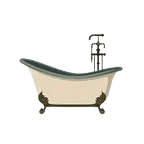
Exploring the Charm of Miniature Ceramic Bathtubs


Intro
Miniature ceramic bathtubs hold a unique position in the world of decor. They are not just playful artifacts; they are conversation starters that carry with them both charm and character. As these tiny tubs adorn spaces, they evoke nostalgia and imagination, all while serving practical purposes that go beyond their decorative nature. Exploring the allure of these exquisite items reveals not simply aesthetic wonder but also underlying trends that resonate with our modern lives. How these bathtubs integrate contemporary style with a hint of whimsy makes them particularly appealing to both seasoned decor aficionados and casual admirers alike.
As we delve deeper into the realm of miniature ceramic bathtubs, several themes emerge. The design inspirations reflect the latest trends in bath and bedroom aesthetics, informing how these little wonders can beautifully complement various settings. Furthermore, the range of colors and themes available for these bathtubs allows homeowners to infuse their personal taste into their living spaces. Another vital aspect of the discussion leans on their functional elements; with space optimization tips and multi-functional furniture choices, these pieces can fit seamlessly into smaller homes or creative niches.
An adventure into the charm and utility of miniature ceramic bathtubs awaits, shedding light on their fascinating history, evolving design, and practical integration into our everyday decor.
"The beauty of interior design is not just in aesthetics, but in how spaces tell a story. Miniature ceramic bathtubs are a page in that narrative."
Through this exploration, readers will gain insights that are relevant and actionable, tailored to enhance both personal style and the overall ambiance of contemporary living spaces.
Preface to Miniature Ceramic Bathtubs
Miniature ceramic bathtubs represent more than just a niche in the world of home decor; they encapsulate a delightful blend of art, culture, and practicality. Their whimsical charm captures the attention of homeowners and enthusiasts alike. These exquisite pieces serve as focal points in decor, embodying both functionality and aesthetic appeal. Their importance extends beyond their decorative nature; it showcases the artistry and craftsmanship that goes into creating such unique items.
Definition and Overview
A miniature ceramic bathtub is, quite simply, a scaled-down version of the traditional bathtub, often crafted from ceramic materials. These pieces can vary in size, often ranging just a few inches in length but holding vast potential for decorative use. Unlike their larger counterparts, these small bathtubs are typically used for display rather than actual bathing. They can symbolize relaxation or luxury in a space, engaging the imagination through their intricate designs and vibrant finishes.
The versatility of miniature ceramic bathtubs means they can be incorporated into various styles of home decor—from rustic and vintage to contemporary and chic. They often come adorned with delicate patterns or bold colors, which allows individuals to select pieces that resonate with their personal style.
Cultural Significance
The cultural significance of miniature ceramic bathtubs cannot be understated. Across many cultures, bathtubs signify comfort, cleanliness, and self-care. The miniature versions offer a playful representation, allowing people to explore these themes without needing a dedicated bathroom space.
In countries like Japan, where the practice of bathing is culturally revered, ceramic tubs reflect a rich history and artistry. These pieces are often not just functional but carry stories and tradition within their glaze. In Western contexts, miniature bathtubs have become popular as collectibles, often celebrated for their craftsmanship during various art movements.
"Miniature ceramics hold the ability not just to decor a shelf, but to evoke narratives and memories, giving each piece a life of its own."
The appreciation for such items can also be seen in how they are marketed. Upscale boutiques and home decor stores often feature these bathtubs as part of curated collections, further highlighting their status not just as home accessories but as cherished artistic expressions.
Historical Context
Understanding the historical context of miniature ceramic bathtubs adds depth to their charm and significance. These small vessels are not merely decorative; they embody a rich tapestry of culture and artistry that spans centuries. By tracing their journey through time, one can appreciate how these exquisite creations have evolved and influenced interior design across different eras. The historical context also sheds light on the materials, techniques, and social attitudes that shaped their existence, providing insights into why they remain appealing in contemporary decor.
Origins of Ceramic Bathtubs
The origins of ceramic bathtubs are intertwined with ancient civilizations. Mostly made from clay, these bathtubs date back to early human history. In the Indus River Valley, where the art of pottery was first mastered, the oldest known ceramic baths were discovered. They were likely used not only for bathing but also for ritualistic purposes. This practice stuck around and evolved, showcasing the symbolic significance of water in various cultures.
In Europe, during the Roman Empire, bathtubs began to take on a more recognizable form, often seen as a sign of luxury and sophistication. The Romans constructed elaborate public baths and private bathing rooms adorned with finely crafted ceramic tiles. As such, the roots of the ceramic bathtub can be traced back to a time when bathing was considered an essential part of healing and socialization.
Evolution Through the Ages
As time marched forward, the design and functionality of ceramic bathtubs underwent notable changes. In the Middle Ages, the emphasis shifted from public bathing to private sanctuaries. Bathtubs remained largely a luxury item accessible to the affluent. During the Renaissance, ceramic craftsmanship flourished, and intricate designs became the norm. Artists began experimenting with glazes and paints to create visually stunning pieces, often incorporating motifs from nature or mythology.
The Industrial Revolution marked a significant turning point. Mass production techniques allowed for a wider array of designs and affordability, making miniature ceramic bathtubs accessible to a broader audience. These bathtubs began appearing not just in homes but also as decorative objects in shops and exhibitions. The miniature versions became a favorite collectible item, displaying the artistic merit of their makers.
"The evolution of ceramic bathtubs reflects shifts in culture, aesthetics, and technology. Each era has left its mark on these objects, telling a story of artistry and human experience."
In contemporary times, miniature ceramic bathtubs are often designed with a nod to past styles, blending vintage appeal with modern aesthetics. Their presence in homes today serves not only as decor but as a reminder of the history embedded in everyday objects. They speak to the merging of art and utility, and the continual dialogue between past and present in our living spaces.


Design Aesthetics
Design aesthetics play a pivotal role in the allure of miniature ceramic bathtubs, as they intertwine art and functionality in captivating ways. These tiny artworks often serve not only as practical objects but also as reflections of individual style and taste. Their design is not merely about size; it encompasses a range of styles, colors, finishes, and glazing techniques that contribute to their overall appeal.
Styles of Miniature Bathtubs
When it comes to styles, miniature ceramic bathtubs showcase a delightful variety that can cater to diverse tastes. For instance:
- Classic Freestanding: These tubs often resemble full-sized counterparts, exuding timeless elegance. They may have rounded edges and delicate feet, reminiscent of Victorian-era bathrooms.
- Modern Minimalist: Characterized by clean lines and a sleek, simple silhouette, modern designs appeal to the contemporary heart. They often possess a more angular structure that emphasizes functionality over ornamentation.
- Whimsical Shapes: Some miniature tubs come in quirky designs, such as animal shapes or playful motifs. These are excellent choices for adding a touch of fun to spaces and are particularly popular among collectors and enthusiasts.
- Themed Designs: Certain bathtubs may reflect themes, such as art deco or rustic farmhouse, aligning with specific decor styles in a home.
Each of these styles presents an aesthetic choice that speaks volumes about the owner’s personal taste and the mood they wish to evoke in their space.
Color and Finish Variations
Color and finish hold immense significance when it comes to enhancing the visual appeal of miniature ceramic bathtubs. The palette can vary widely, presenting opportunities to match or contrast with existing decor. Options include:
- Glossy Finishes: These surfaces shine brightly, reflecting light and adding a sense of luxury. Glossy white bathtubs tend to dominate the market, as they exude purity and elegance.
- Matte Textures: On the other hand, matte finishes offer a softer touch and a more understated aesthetic. Earthy tones or muted colors in matte can evoke a serene and calming vibe.
- Patterns and Designs: Many miniature bathtubs feature hand-painted designs, from intricate floral patterns to abstract art. These designs can serve as focal points in a room, drawing the eye and evoking conversation.
Finding the perfect color and finish not only enhances the bathtub's beauty but also allows it to harmonize seamlessly with your overall home decor.
The Role of Glazing Techniques
Glazing techniques greatly influence both the appearance and durability of miniature ceramic bathtubs. A well-applied glaze does more than simply color; it serves to protect the surface and enhance its beauty. Here are a few notable glazing methods:
- Transparent Glazing: This is often applied to showcase the ceramic’s natural beauty and any underlying designs. The clear finish can create depth and dimension, making the piece more striking.
- Opaque Glazing: This technique allows for solid colors, perfect for achieving a uniform look. Opaque glazes can be used to create visual contrasts that compliment other decor elements.
- Shiny vs. Satin Finishes: The choice between shiny and satin finishes is another crucial aspect. While shiny glazes reflect light and give a polished look, satin finishes provide a soft touch that can feel more organic in certain settings.
In summary, the careful application of glazing techniques can elevate a miniature ceramic bathtub from mere decor to a true piece of art. By selecting the right glazing style, artisans can create unique finishes that catch the eye and withstand the test of time.
The design aesthetics of miniature ceramic bathtubs reflect not just functionality, but also the personalities and preferences of those who incorporate them into their homes.
Crafting Miniature Ceramic Bathtubs
Crafting miniature ceramic bathtubs encapsulates more than just a means of expression in art; it symbolizes a convergence of skilled craftsmanship and aesthetic appeal. This section delves into the nuances that contribute to the allure of these creations, revealing how thoughtful considerations in materials, manufacturing processes, and artisan techniques form the backbone of these delicate pieces. For housewives and homeowners alike, understanding the crafting journey offers insight into both appreciation and selection of these charming decorative items.
Materials Used
The selection of materials in crafting miniature ceramic bathtubs is paramount. Primarily, high-quality clay forms the core foundation. This clay may range from earthenware, which is more porous, to porcelain, known for its robustness and aesthetic finish.
- Earthenware: This material offers a rustic charm, making the bathtubs look warm and inviting. Often less expensive, it is perfect for designs that emphasize a traditional or country-style decor.
- Porcelain: Renowned for its durability and smooth finish, porcelain allows for more intricate details. It often embodies elegance, making it a delightful choice for modern or chic spaces.
Additionally, glazes used in finishing add another layer of complexity. Different glazes not only enhance the color but also provide protective layers against chips and scratches. The choice of glaze can elevate the bathtub from a simple decorative piece to a striking focal point in any room.
Manufacturing Processes
The manufacturing processes of miniature ceramic bathtubs often involve traditional techniques passed down through generations, reflecting both time and care. Initially, potters mold the chosen clay into the desired shape, often starting with hand-built techniques or using molds for uniformity.
- Hand-Building: This ancient technique allows artisans to create unique shapes. Each bathtub becomes a one-of-a-kind piece, showcasing individual flair.
- Molding: For those seeking consistency, especially in bulk production, molds provide a perfect solution. This also improves the efficiency of crafting, enabling artisans to replicate designs with precision.
After shaping, the drying process is crucial. Bathtubs must dry slowly to prevent cracking, and artisans often employ controlled drying environments to ensure quality. Once dry, they undergo firing in a kiln, where temperatures soar to over 1000 degrees Celsius. This firing process transforms the clay, making it strong yet remarkably delicate.
Techniques for Artisans
The techniques artisans employ in crafting these bathtubs can greatly influence both their aesthetic and functional qualities.


- Sgraffito: This technique involves scratching through a surface layer to reveal a lower layer of contrasting color. This can enhance patterns and designs, giving each piece a unique narrative.
- Slip Casting: A popular method for creating intricate designs, slip casting involves pouring liquid clay into a mold. This technique can yield bathtubs with detailed features that would be challenging with hand-building alone.
- Hand Painting: Many artisans opt to hand-paint their creations after glazing, introducing personalized elements that tell a story or embody a theme. From floral motifs to geometric patterns, the possibilities are endless.
Engaging with these crafting techniques allows homeowners to not just purchase an item, but to appreciate the artistry and time invested into each piece.
Understanding the intricacies involved in crafting miniature ceramic bathtubs helps elevate them from mere decorations to meaningful elements in home decor. As housewives and homeowners explore options, this knowledge enhances their selection, ensuring they choose pieces that resonate with their personal style while appreciating the craftsmanship behind each creation.
Practical Applications
Miniature ceramic bathtubs are more than just whimsical decor; they serve practical functions that can enhance various spaces in a home. Their stylish appeal is complemented by versatile uses that go beyond conventional aesthetics. Understanding how to incorporate these delightful pieces into your living environment can significantly elevate your home decor and functionality.
When it comes to practical applications, these tiny tubs can hold considerable value in different contexts. From decorative elements to unique storage solutions, a thorough exploration of their uses reveals how these charming objects can meld art with everyday life.
Home Decor Elements
The integration of miniature ceramic bathtubs into home decor provides a unique twist that breathes life into any room. Placed on a bookshelf, coffee table, or bathroom vanity, these pieces can serve as eye-catching centerpoints that prompt conversation and admiration. Their rich designs can complement numerous themes, from rustic farmhouse to modern elegance, allowing them to fit seamlessly into diverse aesthetics.
- Accent Pieces: Use these bathtubs as accent pieces in a vignette. Pair them with candles, small plants, or other ceramics for a cohesive look.
- Personalized Touch: Customize your decor by filling them with seasonal flowers, decorative stones, or even bath salts. This adds a personal flair while keeping your space lively.
- Theme Enhancement: In a spa-like bathroom, a miniature bathtub can echo the larger tub's serene vibes. This promotes a cohesive theme that enhances the overall atmosphere of relaxation and luxury.
Arranging these tubs creatively around your space can evoke feelings of warmth and charm, adding character without overwhelming the other elements in the room.
Functional Uses
Beyond mere decoration, miniature ceramic bathtubs can serve practical functions that enhance daily living. These versatile items can cater to various needs while maintaining an aesthetic charm.
- Storage Solutions: Small items like jewelry, bath essentials, or even art supplies can be neatly arranged within these bathtubs, ensuring organization without compromising aesthetics. Their charming design helps to hide clutter while acting as a focal point in a room.
- Gift Holders: Use them creatively for gifting. They can be filled with small goodies like soaps, candles, or even potted succulents for an irresistible personal touch, making celebrations extra special.
- Planters: Some homeowners use miniature bathtubs as quirky planters for small indoor plants or succulents. This not only gives a unique presentation for your greenery but also stands out as a conversation starter.
"Miniature ceramic bathtubs are not merely objects but can be vehicles for creativity, allowing homeowners to express their individuality and flair in seemingly small but impactful ways."
As you delve into practical applications of these charming pieces, you will find that their appeal transcends their initial ornamental allure. By employing miniature ceramic bathtubs for specific uses, one can effortlessly blend functionality with style, elevating the aura of each space they inhabit.
Incorporating Miniature Bathtubs into Spaces
In the world of home decor, miniature ceramic bathtubs offer a unique charm that goes beyond mere functionality. Theses pieces are not just for show—they serve as focal points in rooms, setting a tone that appeals to both aesthetics and emotional resonance. Understanding the importance of how to incorporate them into spaces can elevate the design and warmth of your environment.
As Decorative Objects
When it comes to decoration, miniature bathtubs reveal their versatility and whimsy. These tiny treasures can act as conversation starters in any room, catching the eye with their intricate craftsmanship. Imagine placing a lovely ceramic bathtub on a bookshelf, brimming with faux flowers or seashells, cultivating an air of tranquility and creativity.
- Color scheme alignment: Choose tubs that fit the palette of your existing decor. A pale blue bathtub can harmonize beautifully with rustic wooden shelves, while a glossy white piece suits minimalistic spaces well.
- Size matters: Consider the scale of your furniture. A robust coffee table can host a larger bathtub, whereas a smaller one might be perfect for a side table or a console.
- Personalization: Fill these bathtubs with items that spark joy or reflect your interests, be it vibrant succulents, scented candles, or charming decorative stones.
"Creativity is intelligence having fun."
- Albert Einstein
Enhancing Bathroom Themes
Naturally, one of the most fitting places for a miniature ceramic bathtub is in the bathroom itself. Their presence can resonate with the activity of bathing while simultaneously enhancing the overall theme of the space.
- Classic vintage ambiance: Opt for porcelain tubs with ornate details to create a nostalgic feel reminiscent of timeless spa retreats.
- Modern, clean lines: A sleek minimalist bathtub can complement high-end fixtures and contribute to a serene, clutter-free aesthetic.
- Themed decor: Incorporate a nautical theme with a white porcelain bathtub filled with coral or seashells to establish a seaside retreat right in your bathroom.
Combining with Other Decor Items
To amplify the appeal of your miniature bathtub, pairing it with other decor items is essential. This can create a layered, cohesive look that enchants and engages the eye.


- Grouping ideas: Position the bathtub alongside candles, picture frames, or small plants for an inviting vignette. This not only showcases the bathtub but also crafts interest and balance in the arrangement.
- Texture contrasts: Mixing the hard surface of a ceramic bathtub with softer materials like textiles or natural elements can create a pleasing visual balance. Consider a plush towel or a woven basket in close proximity.
- Intervals of height: Utilize stands or other decorative objects to create varying heights in your display, which can add depth and dimension to the overall look.
When you thoughtfully incorporate miniature ceramic bathtubs into your living spaces, you enhance not just the visuals but also the spirit of your home. By considering their decorative role, functional potential, and compatibility with existing decor, you establish a space that feels curated and uniquely yours.
Popular Trends and Inspirations
Exploring the realm of miniature ceramic bathtubs reveals how they are not just functional items but also eye-catching pieces that can enhance one's living space. These tiny tubs are becoming hot commodities and create a big splash in the world of home decor. Understanding the current trends and getting inspired can offer fresh ideas for incorporating these delightful objects into your design schemes.
Current Market Trends
The market for miniature ceramic bathtubs is witnessing a surge in popularity, driven by a blend of nostalgia and modern sensibilities. Here are some trends that are shaping the current market:
- Eco-friendly Materials: Many artisans are turning to sustainable clay and glazes, reflecting a growing consumer sentiment towards environmentally responsible choices.
- Custom Designs: As the market expands, so do the options for customization. Buyers can often choose specific colors, patterns, and even incorporate personal motifs, making each piece unique.
- Social Media Influence: Platforms like Instagram and Pinterest have catapulted the appeal of these diminutive bathtubs into the spotlight, with countless users posting aesthetic setups that include these petite wonders.
- Mix of Traditional and Modern Styles: Homeowners are blending various designs, using vintage aesthetics alongside contemporary sensibilities, leading to a delightful juxtaposition that adds character to their spaces.
These trends highlight the evolving preferences of consumers, paving the way for new creations and innovation in the ceramic bathtub niche.
Inspirational Decor Styles
The charm of miniature ceramic bathtubs can beautifully complement various decor styles. Here are a few that resonate particularly well with these mini marvels:
- Farmhouse Chic: The rustic appeal of a farmhouse style works wonderfully with the classic white or pastel-colored ceramic bathtubs. They can serve as centerpieces on shelves or in curated vignettes, enhancing the homely feel of spaces.
- Mid-Century Modern: The clean lines and functional aesthetics of this era pair nicely with sleek, minimalist miniature bathtubs. A simple, bold-colored tub could stand out on a desktop or side table, marrying form with function.
- Bohemian Vibes: For those who crave a more eclectic look, incorporating patterned miniature bathtubs can introduce color and texture to a space. They can be styled alongside other global artifacts and eclectic decor, creating a vibrant atmosphere.
- Art Deco: The bold geometric shapes and luxurious essence of the art deco style complement the intricate designs of ceramic bathtubs. Using these bathtubs in a space designed with art deco in mind can add a touch of glamour and elegance.
"The right piece can transform a mundane corner into something rare and eye-catching."
With the increasing versatility and adaptability of miniature ceramic bathtubs, allowing creativity to flourish in the realm of home decor becomes essential. Whether you're working within the confines of a particular style or experimenting with your own, these tiny tubs can provide endless possibilities for expression.
Challenges in Maintenance and Care
Addressing the upkeep of miniature ceramic bathtubs is no small potatoes. These charming pieces, while aesthetically pleasing, also demand a certain level of attention and care to ensure they always look their best and function appropriately. Given their delicate nature, spanning from their glaze to the ceramic itself, understanding maintenance approaches is essential. Households seeking to incorporate these appealing items into their decor will find that with a little know-how, these challenges can be easily managed.
One significant concern is the potential for wear and tear. Over time, these bathtubs may encounter residue build-up, discoloration, or even cracks. Employing effective cleaning methods not only preserves their appearance but significantly extends their lifespan. Therefore, becoming adept at both cleaning and preventive measures is key, ensuring that these intricate objects remain the delightful focal points they were intended to be.
Cleaning Methods
When it comes to cleaning, a gentle touch often goes a long way. Here are some tried and trusted methods for maintaining the surface luster of your miniature ceramic bathtub:
- Mild Soapy Water: Mixing a few drops of dish soap with warm water creates an effective and gentle cleaning solution. Use a soft cloth or sponge to wipe down the surface, taking care to avoid abrasive materials that might scratch the glaze.
- Baking Soda Paste: If stubborn stains arise, consider a paste made from baking soda and water. Apply it to the affected area, allow it to sit for a short period, then gently scrub away. Rinse thoroughly to avoid any residue.
- Vinegar Solution: A mixture of equal parts of white vinegar and water can be handy for removing mineral deposits. Spray it on, let it soak, and wipe off to restore shine.
It’s paramount to rinse the bathtub well after cleaning to remove any cleaning agents. Letting residue linger diminishes the tub’s beauty and could lead to further issues down the line.
Preventing Damage
Prevention is better than cure, as they say. Taking a few proactive measures can save a world of trouble later. Here’s how to safeguard your miniature ceramic tub:
- Location, Location, Location: Ensure that your bathtub is placed in a secure spot, away from high-traffic areas. This minimizes the risk of it being knocked over or scraped.
- Avoid Harsh Chemicals: Strong cleaning agents can erode the glaze, dulling its shine and potentially causing cracks. Stick to gentle, natural solutions whenever possible.
- Regular Inspections: Every now and then, it’s wise to inspect your decorative piece for any chips or cracks. Spotting early signs of damage allows for timely repairs—perhaps using a porcelain repair kit when necessary.
Besides these preventive steps, consider adding a display case to shield your cherished miniature ceramic bathtub from dust and accidental bumping. Protecting your investment makes it a joy to own rather than a worry.
"An ounce of prevention is worth a pound of cure."
Ultimately, maintaining and caring for your miniature ceramic bathtub doesn't have to be a daunting task. With mindful attention and appropriate cleaning techniques, these lovely pieces can remain integral parts of your home decor for many years.
Ending
Reflecting on the value of miniature ceramic bathtubs, it becomes apparent that these intricate creations are much more than whimsical decor items. They embody a blend of art, history, and functionality, appealing to both aesthetic senses and practical applications. A thoughtfully placed miniature bathtub can serve as a focal point in a room, inviting conversation and admiration. Additionally, they are a reminder of the artistry involved in crafting such delicate pieces, bridging the gap between functional items and decorative art.
Furthermore, miniature bathtubs hold significance in various contexts. When included in home accents, they can enhance the overall theme of the space, adding a touch of elegance or quirkiness, depending on the design.
- Cultural Appeal: From displaying a sense of personal history in a collection to conveying a story of craftsmanship, miniature bathtubs resonate with diverse audiences. They attract those who appreciate heritage and artistry in their homes.
- Practical Design: Despite their size, these bathtubs can serve functional purposes, such as holding small plants or trinkets. They create a unique touch that often catches the eye.
- Artisan Craft: The techniques involved in making these pieces can inspire a greater appreciation for handcrafted items. It’s a nod to the skill and creativity of artisans.
In summary, the allure of miniature ceramic bathtubs is rooted in their multifaceted appeal. They reflect personal style, cultural significance, and the value of artistry. For homeowners and decorators alike, these charming elements can transform the ambiance of a space, proving that even the smallest objects can produce a sizable impact in design and decor.