Elevate Your Bathroom with Modern Design Trends


Intro
In the realm of home design, bath spaces have often been overlooked, yet they offer a unique canvas for creativity and style. The modern bathroom has evolved beyond a purely functional space. Today, it stands as a harmonious blend of practicality and elegance, turning the everyday routine into a luxurious ritual. This article aims to delve deep into the nuances of modern design in bath spaces, exploring how aesthetics resonate with functionality to create a haven of relaxation.
As we take a closer look, we will navigate through the latest trends, essential color palettes, and innovative materials that define contemporary bath spaces. Homeowners and design enthusiasts alike can discover the means to transform ordinary bathrooms into personal retreats, equipped with the knowledge of thoughtful design choices.
Let’s explore how modern design principles can elevate bath spaces, considering not only visual appeal but also the seamless integration of technology and materials.
Design Inspirations
Latest Trends in Bath and Bedroom Design
The modern bathroom embraces trends that are adaptable and reflective of personal styles. One notable trend is the rise of organic materials. Using wood and stone can bring a touch of nature indoors, creating a calming atmosphere. Imagine stepping into a bathroom with a wooden vanity that hints at the outdoors, complemented by smooth stone tiles.
Another emerging trend is the incorporation of bold geometric shapes. From sink basins to tile arrangements, clean lines and sharp angles can provide a striking contrast to softer elements like plush towels or curved mirrors.
Smart technology also plays a significant role in shaping modern bath spaces. Detachable showerheads, heated floors, and voice-activated lighting systems are becoming staples in many homes. They add convenience while enhancing the overall experience.
Color Palettes and Themes
Color selection lies at the heart of bathroom design. While it is tempting to gravitate towards light, airy hues, rich and dark shades are gaining traction. Deep blues and greens not only evoke tranquility but also allow for bold accents, such as metallic fixtures or bright white decor.
Palettes inspired by nature can also enhance the spa-like feel. Earthy tones—think warm browns combined with soft greens—comfort the eyes and promote a sense of well-being.
- Minimalist white and gray: Classic and clean, this palette creates a serene environment.
- Bold colors with neutral accents: A statement wall or bright tiles can liven up powder rooms.
- Monochromatic schemes: Consistency in color can bring a sophisticated feel, especially with varying textures.
"The color of a space can profoundly influence how it feels to be in it. Choose wisely, and you’ll create a retreat that rejuvenates."
Functional Elements
Space Optimization Tips
When it comes to modern bathrooms, efficiency is key. The goal is to make the most of the available space without clutter. Wall-mounted shelves and floating vanities create an illusion of more room, freeing up floor space while offering ample storage.
Utilizing vertical space can be a game changer. Tall storage units can house towels and toiletries without compromising valuable real estate. It’s like having your cake and eating it too—style that features function.
Multi-Functional Furniture Choices
In a world where every square inch counts, multi-functional furniture can be a savior. Consider benches that can double as storage units, or mirrors that include built-in storage compartments for convenience. These clever touches do not just tidy the space but also add a layer of sophistication.
The modern bath space should reflect the harmony between form and function, capturing the essence of contemporary living. As you engage with these themes and ideas, remember that the heart of design lies in personal expression and mindful choices.
The Essence of Modern Bath Design
Modern bath design is about finding the right balance between aesthetics and functionality. This harmony creates spaces that are not only visually pleasing but also serve the practical needs of everyday life. To truly grasp the essence of modern bath design, one must consider how each aspect plays a role in the overall experience of a bathroom. The benefits of adopting modern design principles go beyond mere style, extending into how we interact with our spaces.
Key elements such as layout, light, and materials come into play when defining what makes a bathroom modern. These components are not just put together randomly; they work cohesively to generate an atmosphere of tranquility and ease. For homeowners, investing time into understanding modern design means grasping how to use space effectively, creating a serene retreat that accommodates both relaxation and routine activities.
Benefits of Modern Bath Design
- Enhanced Functionality: Modern design prioritizes practicality, ensuring that every item in the bathroom serves a purpose.
- Visual Appeal: Striking combinations of colors, materials, and shapes contribute to a pleasing aesthetic.
- Increased Property Value: A well-designed modern bathroom can significantly boost a home's marketability.
- Sustainability: Many modern approaches focus on eco-friendly materials and water-saving fixtures, making homes greener.
Considering these aspects not only uplifts the bathroom but also reflects the homeowner's taste and lifestyle choices. Creating a cohesive design that highlights both form and function is crucial for modern bathrooms.
"Design is not just what it looks like and feels like. Design is how it works.”
Defining Modernity in Bathrooms
Modernity in bathrooms can be described as a departure from traditional aesthetics, leaning towards sleek lines and uncluttered spaces. It focuses on simplicity without sacrificing style. The beauty of modern design lies in its ability to adapt to various tastes while adhering to core principles like minimalism and open space.
For example, many modern bathrooms steer clear of ornate decorations. Instead, they may feature a clean countertop with a single statement piece, perhaps a unique sink or a chic mirror. Trends such as wall-mounted cabinetry prevent clutter and help maintain an open, flowing environment. Each detail matters, contributing to what can only be described as a contemporary sanctuary where function meets flair.
Historical Context of Bath Design
Looking back at the historical evolution of bath design provides valuable insights into how we arrived at modern spaces. In ancient Rome, baths were lavish communal areas adorned with marble and mosaics, emphasizing social interaction over privacy and efficiency. The focus was on excess rather than function.
As we moved into the Victorian era, the design shifted towards individual privacy and hygiene. Bathrooms began to emerge as distinct spaces within homes, often incorporating elements of luxury. However, this luxury sometimes came at the cost of ease of use. With the advent of the 20th century and the introduction of more practical fixtures, the design gradually shifted once more.
Today, as we embrace advancements in technology and design philosophies, modern bathrooms reflect a blend of past influences and contemporary needs. This journey shapes today’s design ethos, where usability and serenity reign supreme.
Core Principles of Modern Design
When we talk about modern design in bath spaces, we’re diving into a world where aesthetics meet functionality. The core principles of modern design serve as the backbone to crafting spaces that not only look nice but work seamlessly for everyday living. By understanding and applying these principles, homeowners can transform their bathrooms into serene, organized retreats that reflect both their style and their needs.


Simplicity and Minimalism
Simplicity in design doesn’t mean stripping away personality or warmth; rather, it centers on creating clear, uncluttered spaces that promote peace of mind. In the context of a bathroom, this often translates to a few key aspects:
- Decluttering: One central tenet of minimalism is making sure that only essential items are present. This might include reducing the number of toiletries on display and opting for streamlined storage solutions that keep surfaces clean and organized.
- Clean Lines: Choosing fixtures and fittings with straight lines or gentle curves helps maintain that serene vibe. For instance, a wall-mounted sink can create an open feel, making a small area appear larger.
- Neutral Color Schemes: Colors play a vital role in minimal design. Soft whites, grays, and earth tones are not just easy on the eyes; they can also create an illusion of expanded space. This approach has the added benefit of being versatile—allowing accents to be swapped in and out without much fuss.
The beauty of simplicity lies in its clarity. Homeowners and designers alike recognize that a less is more approach can lead to more peaceful interactions in one of the most personal spaces in a home.
Functionality and Accessibility
Functionality must never be an afterthought in bath design. A bathroom should be a haven of comfort and ease, especially since it often serves as the starting point or conclusion to our daily routines. There are several elements to consider in making sure functionality shines through:
- Usability: Fixtures should cater to the needs of all users, including children and those who may have mobility challenges. This can mean everything from incorporating grab bars in showers to choosing faucets that are easy to operate.
- Ergonomics: Designing for comfort matters too. The height at which sinks are placed, the angle of mirrors, and even the reach of cabinets can make a significant difference in the everyday experience. A well-thought-out layout can streamline tasks, making them feel effortless.
- Durability: Materials and fixtures need to withstand daily wear and tear. Seek out high-quality options like stainless steel or ceramics that can handle moisture without deteriorating over time.
Ultimately, ensuring functionality is woven into the very fabric of design choices can significantly elevate the user experience. When both aesthetics and purpose are aligned, a bathroom becomes more than just a functional space—it transforms into a daily retreat.
"A well-designed bathroom should feel like a sanctuary, blending beauty and function to nourish both body and soul."
By embracing these core principles, homeowners can imbue their bath spaces with a sense of modernity that is both stylish and practical, perfectly aligning with their lifestyle needs.
Popular Trends in Bath Aesthetics
In the realm of bath design, aesthetics hold significant weight, as these spaces serve not only a functional purpose but also create a personal sanctuary for many. The marriage of beauty and practicality in baths can elevate the entire home experience. Trends in aesthetics focus on blending visual appeal with comfort and modern functionality, impacting how users engage with their environments. As a result, homeowners seeking to renovate or design their baths should pay close attention to these evolving trends, which offer both style and utility. Here, we discuss two prominent movements in this domain: eco-friendly materials and smart technology integration.
Eco-Friendly Materials and Practices
Eco-friendliness has become a cornerstone of modern design, particularly in bath spaces where water conservation and sustainable materials are critical. Choosing materials like bamboo, recycled glass, or reclaimed wood not only reduces the environmental footprint but also brings a warmth and natural feel to the environment. These choices reflect personal values, showcasing a commitment to sustainability and mindful living.
Implementing eco-friendly practices can manifest in various ways:
- Low-Flow Fixtures: Installing low-flow showerheads and faucets is an easy way to cut down on water usage while maintaining an effective bathing experience.
- Non-Toxic Finishes: Opting for paints and finishes that are free from volatile organic compounds (VOCs) contributes to better indoor air quality, making it safer for occupants.
- Energy-Efficient Lighting: Utilizing LED lighting fixtures not only conserves energy but also adds a modern touch to any bath design.
Harnessing the power of sustainability can lead to aesthetically pleasing outcomes that contribute positively to both health and the planet. A bath filled with natural light, greenery, and sustainably-sourced materials can create an inviting atmosphere where relaxation and rejuvenation flow freely.
"Designing with nature in mind can create a positive impact not only visually but also environmentally, which is essential in today’s world."
Smart Technology Integration
Modern bath spaces are gradually transforming into hubs of high-tech convenience, thanks to the integration of smart technologies. Today's fixtures and amenities not only look sleek but can also enhance a homeowner's lifestyle significantly. Smart technology in bathrooms offers numerous benefits:
- Smart Showers and Tubs: Devices that can be controlled via a smartphone or voice command allow users to pre-set water temperatures, flow rates, and even lighting, ensuring the perfect bathing experience.
- Automatic Faucets: Touchless faucets add a level of hygiene and convenience, minimizing the chances of germs spreading while also reducing water wastage.
- Temperature Control Systems: Systems that allow customization of bath temperatures help create a personalized and comfortable bathing experience.
As homeowners lean towards increasing functionality, smart technology seamlessly integrates into everyday life, making baths not only stylish but also efficient and user-friendly. Overall, combining this innovative tech with modern aesthetics breeds a bath space that is both luxurious and amenable.
Color Palettes for Modern Baths
Choosing the right color palette is a crucial step in establishing the character of a modern bath space. Colors influence mood, spatial perception, and overall functionality. Whether it's a serene retreat or a dynamic family hub, the color scheme should resonate with the intended atmosphere of the bathroom. By selecting hues that blend harmoniously with design elements, homeowners can avert clashes and ensure a coherent aesthetic throughout the space. This section will explore the impact of neutral tones as well as the use of accent colors, which can both significantly enhance the design and transform typical bathrooms into sophisticated retreats.
Neutral Tones and Their Impact
Neutral tones serve as the backbone of modern bath design. They provide a clean and tranquil atmosphere that can calm even the most hectic of lifestyles. Shades like soft whites, cool grays, and warm beiges reflect light beautifully, casting an inviting glow. This helps create the impression of a more spacious environment. Besides, they are remarkably versatile; homeowners can easily pair them with various materials and decorative accents.
When planning a bathroom, consider using neutral shades as a foundational layer. They set the stage for other design elements, allowing fixtures and textures to shine. For instance, a soft dove gray can enhance the elegance of a freestanding bathtub, while creamy white walls can make a small space feel airier.
Additionally, most modern designs lean toward an organic look, and neutrals provide a perfect canvas for introducing natural materials like wood or stone. Here’s a quick rundown of benefits that neutral tones offer in bath design:
- Timeless Appeal: Neutrals don’t easily go out of style. They remain chic and sophisticated over the years.
- Light Reflection: They help maximize natural light, making even compact spaces feel welcoming.
- Design Flexibility: They easily accommodate changing trends without requiring a complete overhaul.
- Ease of Coordination: Matches well with any accent colors or decor themes, ensuring seamless layering.
"Neutrals provide that fresh breath of air in design, serving both style and function."
Accent Colors to Enhance Design
While neutral tones lay the groundwork, accent colors play a pivotal role by introducing personality and highlighting features within the space. Accents can be incorporated through tiles, towels, or decorative items, creating delightful visual interest. The key to using accent colors effectively is balance—the idea is to enhance, not overpower.
When selecting your accent, think about the mood you wish to set. Warm tones such as terracotta or deep reds can impart a sense of warmth and charm, perfect for a cozy feel. On the other hand, shades like teal and navy blue inject a sense of calm sophistication, making them ideal for a relaxing spa-like environment.
A smart way to decide on your accent colors is to consider the natural elements in or near your bath. For instance, if your view includes lush greenery, soft greens can bring that outdoorsy feel inside. Here’s how you can effectively elevate your modern bath design with accent colors:
- Feature Walls: Consider painting one wall a bold color while keeping the others neutral to create visual focus.
- Textiles: Introduce colorful towels or bath mats that pop against a neutral backdrop, adding texture and life to the room.
- Decorative Elements: Use accessories, like vases or artwork, to integrate your chosen accent colors subtly throughout.
Utilizing these colors artfully will help establish a personalized haven that is distinctive while still adhering to modern aesthetic principles.
Material Selection in Contemporary Design


In the realm of modern bath design, material selection weaves a crucial tapestry that melds both aesthetics and functionality. The materials chosen can set the tone, create a specific atmosphere, and significantly influence the overall experience of a bath space. Homeowners today are becoming increasingly aware of the importance of selecting the right materials, not just for their looks but also for durability, maintenance, and sustainability.
From porcelain tiles that evoke a sense of classic elegance to sturdy woods that bring a natural warmth, the materials speak volumes about personal style and environmental consciousness. With countless options available today, understanding the nuances of material selection can empower homeowners to craft a truly inviting and effective bath environment.
Porcelain and Ceramic: The Basics
Porcelain and ceramic are often the backbone of many modern bathroom designs. Not only are they popular due to their versatility, but they also boast remarkable resistance to water and stains, making them ideal for humid environments.
- Porcelain: Porcelain possesses a finer, denser composition compared to traditional ceramic. This makes it less porous, allowing it to resist moisture effectively. Additionally, its ability to emulate natural stones gives it an edge in terms of aesthetic appeal. Moreover, the wide range of colors and textures available means it can fit into virtually any décor.
- Ceramic: On the other hand, ceramic tiles are typically more affordable and easier to install. They come in an array of designs and patterns, allowing for creativity and personalization. However, they might require more maintenance compared to porcelain, especially if they aren’t properly sealed.
Both materials offer an outstanding balance between form and function, but the choice between them often comes down to personal preference and specific design goals.
Embracing Natural Elements: Stone and Wood
Natural elements like stone and wood are making a significant comeback in modern bath design, creating a soothing and organic vibe. These materials not only enhance the visual warmth of the space but also connect the serene interiors to elements found in nature.
- Stone: Incorporating stone can elevate a bathroom's aesthetic, giving it a unique character. Marble, granite, and slate are popular options here. Many homeowners choose stone for countertops, accent walls, or flooring. Its natural variations and patterns ensure that every installation tells a different story. Additionally, stone’s durability and resistance to moisture make it a practical choice.
- Wood: The use of wood adds warmth and softness to the typically stark and cold nature of bathroom tiles and fixtures. Whether opting for reclaimed timber or engineered wood, this material can dramatically shift the feel of the space. Using wood in areas like vanities or shelving lends a cozy touch, though homeowners should be aware of potential water exposure and plan for appropriate finishes to protect their investment.
"The materials you choose speak to who you are and what you value in your home design."
This understanding shapes a bath that is not only beautiful but also a solid investment for years to come.
Fixture Trends in Modern Bathrooms
The fixture trends in modern bathrooms serve as pivotal touchpoints that define the overall aesthetic and functionality of these spaces. As the bathroom evolves from merely a utilitarian area into a sanctuary for relaxation and rejuvenation, the fixtures selected play a key role in enhancing this transformation. Homeowners and designers alike are increasingly aware of how fixtures contribute to the visual impact, usability, and even the environmental footprint of the bathroom. Embracing contemporary trends allows for a blend of innovation with style, making this aspect of bathroom design more vital than ever.
Elegance of Freestanding Bathtubs
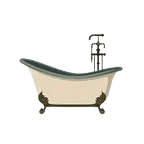
Freestanding bathtubs have seen a rapid ascent in popularity and for good reason. They provide an air of elegance and chic sophistication that can elevate any bath space from ordinary to extraordinary. Available in various shapes and materials, these bathtubs make a bold statement while also providing functional benefits.
Some of the key considerations when choosing a freestanding tub include:
- Space: These bathtubs require more floor area compared to their built-in counterparts, making them perfect for larger bathrooms or those designed specifically to emphasize space.
- Design Versatility: They come in numerous styles, from contemporary to classic clawfoot designs, allowing integration into various themes. This variety makes it easier to achieve a cohesive look within the bathroom.
- Material Choices: Material plays a significant role in the feel of the tub. Options like acrylic, stone, and cast iron each offer different aesthetic and practical benefits. For example, stone bathtubs can bring a natural, earthy feel, while acrylic tubs are lightweight and easy to install.
Freestanding bathtubs not only serve as a centerpiece but also promote relaxation. Bathing in a well-designed freestanding tub, often paired with a view or a relaxing ambiance, provides a soothing experience that many find irresistible. An ever-increasing number of homeowners are discovering that the luxury of a freestanding bathtub lies not just in the tub itself but in the experience it offers.
"A bath isn’t just about function; it’s an experience you carve out for yourself amidst life’s chaos."
Sleek Shower Designs and Accessories
When discussing modern bathrooms, the importance of sleek shower designs cannot be overstated. Showers have transitioned from basic utilities to stylish expressions of individuality and relaxation. Homeowners are seeking showers that not only optimize space but also provide a luxurious experience.
Some noteworthy aspects of contemporary showers are:
- Walk-In Showers: Designed for accessibility and style, walk-in showers often feature clear glass doors that promote an open, airy feel. They enable easy entry while simultaneously offering chic aesthetics.
- Rainfall Showerheads: The trend of installing rainfall showerheads simulates a gentle downpour, enhancing the overall shower experience. It's essentially nature at your fingertips, providing a tranquil feeling every time you shower.
- Smart Shower Controls: As technology embeds itself into every aspect of our lives, smart showers are emerging as a desirable option. Features like temperature control, water pressure adjustments, and even voice activation enhance usability and provides a personalized touch to daily routines.
It's essential to consider the integration of shower accessories that improve both look and functionality. Items like stylish shelves, mood lighting, and built-in seating can significantly enhance the experience. Designers are focusing on these little details to create a seamless visual flow while ensuring practical advantages.
Modern fixtures, whether freestanding tubs or elegant showers, reflect a profound shift in how bathrooms are conceptualized and utilized. As we embrace these trends, they not only add beauty but also enhance the lifestyle of every homeowner. Explore more about fixtures and the latest trends on resources like Wikipedia or Britannica.
These textual details help carve out a bathroom that feels personal, uniquely yours, and loaded with modern conveniences.
Spatial Considerations in Bath Design
The way a bathroom is arranged and how space is utilized can make all the difference in both functionality and aesthetic appeal. Proper spatial considerations allow a bathroom to feel less cramped and more like a sanctuary. When designing a bath space, it’s not just about how things look but also the efficiency of movement and the ease of use.
Proper spatial planning is essential for optimizing both the functionality and comfort of a bath space.
Maximizing Small Spaces
In urban settings or older homes, bathrooms often don’t boast generous square footage. However, just because a space is small doesn’t mean it cannot shine. Maximizing small spaces involves selecting compact fixtures, choosing wall-mounted vanities, and utilizing vertical storage options. For instance, a corner shower can save valuable floor space, while a floating vanity can create an illusion of depth.
Incorporating mirrored elements can also help gives the vibe of a bigger area. Light colors in tiles and cabinetry can open up the space, allowing it to feel less claustrophobic. You can even think about multi-functional furniture, such as a mirror that doubles up as cabinet space.
Adjusting your perspective on what you consider necessary versus nice to have can help streamline the layout. It’s essential to plan your layout with the flow in mind, ensuring that doors and drawers operate comfortably without obstruction.
Creating Open and Airy Environments
On the flip side, designing an open and airy environment in a bath can transform the experience completely. This often involves choosing larger tiles to reduce the number of grout lines, incorporating glass partitions instead of shower curtains, and considering skylights or large windows for natural light.
Natural light is an instant mood booster and can make the room feel more expansive. If possible, strategically place mirrors to reflect light throughout the area. Ventilation is critical too; good airflow can combat humidity levels that often bog down a beautiful bathroom.
Designing with a sense of openness often requires making bold choices. Knocking down unnecessary walls, opting for fewer dividing elements, and selecting lighter furnishings contribute to a cohesive flow throughout the space.


Lighting Solutions for Modern Baths
In any bath space, lighting plays a pivotal role, not just in terms of illumination but also in creating the right ambiance. It serves as both a functional necessity and an opportunity for aesthetic expression. For homeowners and design enthusiasts, understanding lighting solutions is crucial for transforming a bathroom into a harmonized sanctuary. Correct lighting can highlight desirable features, diminish unwanted shadows, and even create the illusion of a larger space.
Layered Lighting Concepts
Layered lighting is the foundation of effective bath design. This approach involves the combination of three types of lighting: ambient, task, and accent. Each layer provides distinct benefits that, when harmonized, create a well-rounded lighting experience.
- Ambient Lighting: This is the general illumination that fills a room, ensuring there are no dark corners. It sets the tone and mood for the space. Options for ambient lighting can include ceiling-mounted fixtures, flush mounts, or recessed lights. Choosing bulbs with a dimmable feature is a great way to control brightness levels based on the time of day or activity.
- Task Lighting: In a bathroom, task lighting is essential, especially near the vanity area where personal grooming occurs. Well-placed sconces on either side of the mirror or above can provide even and effective light for makeup application or shaving. Avoiding direct overhead lighting in this area helps reduce harsh shadows on the face.
- Accent Lighting: This layer serves more of a decorative purpose. Using accent lighting can draw attention to specific design features, such as artwork or architectural elements. LED strip lights underneath cabinetry or around a soaking tub adds a touch of luxury while augmenting the overall décor.
"Lighting isn't just about visibility, it's about creating the character of a space."
When combined, these layers elevate not only the functionality of a bath but also its beauty, allowing homeowners to tailor the environment to their needs at any given moment.
Natural Light and Its Benefits
Natural light is truly a gem in bath design. It brings an element of warmth and openness that synthetic lighting often cannot replicate. One of the significant benefits of incorporating natural light into a bathroom is its psychological impact. Sunlight can regulate circadian rhythms, enhance mood, and even contribute to overall well-being.
Consider using large windows or skylights to invite daylight in. These elements not only flood the space with light but can provide stunning views of the outdoors. When designing, it's essential to think about privacy; frosted glass or strategically placed window films can allow light penetration while ensuring seclusion.
Furthermore, drawing in natural light can also minimize the need for artificial lighting during the day, leading to energy savings. Incorporating plants, which thrive on sunlight, can contribute to freshness and vitality in the space.
The right lighting solutions can significantly impact modern bath spaces, accentuating both functionality and aesthetics. By understanding the layered lighting concepts and integrating natural light, homeowners can create a serene oasis that serves both practical needs and enhances the joy of daily routines. A well-lit bathroom is not just about aesthetics; it's a necessity for creating a space that feels welcoming and invigorating.
The Role of Art and Decor
In the realm of modern bath design, art and decor hold a significant weight in establishing the overall atmosphere and character of the space. This isn't just about filling a wall with something pretty; it’s about crafting a narrative that resonates with the homeowner's personality and style. Thoughtfully placed art and decor elements can transform a mundane bathroom into a serene sanctuary, reflecting the owner's taste and creating a warm, inviting environment.
Incorporating art can elevate the design while ensuring that each piece contributes meaningfully to the overall aesthetic. The right artwork can foster a sense of tranquility—perfect for a space where one seeks relaxation. Moreover, textures and colors within art can harmoniously blend with the bathroom's palette, enhancing the ambiance without overwhelming the senses.
Incorporating Artwork Strategically
When it comes to selecting and placing art in your bathroom, strategy is key. Rather than applying a one-size-fits-all approach, consider the following:
- Size Appropriateness: Larger pieces work well on expansive walls, while smaller works can accentuate nooks or shelves. A lone canvas or sculpture can act as a focal point, drawing the eye and sparking conversation.
- Water Resistance: Since bathrooms are often humid spaces, opt for artwork that can withstand this environment. Materials such as metal, glass, or even specially coated prints are good choices to avoid damage.
- Height Placement: Art should be hung at eye level, and placing it a bit higher can give the impression of a higher ceiling, which is desirable in compact spaces.
A carefully curated gallery wall featuring a mix of different sized frames can create an engaging visual story, while a single piece of striking design can serve as a bold statement.
Textiles and Their Impact on Ambiance
Textiles might seem trivial in the scheme of decor, but they play a vital role in the ambiance of a bathroom. The tactile nature and visual warmth of textiles can soften the hard surfaces often found in these spaces.
- Curtains and Shower Wraps: Choosing the right material and pattern can influence not just the aesthetics, but also light penetration and privacy within the room. Light, airy fabrics like linen can enhance a breezy, relaxed atmosphere, while heavier materials can provide a sense of coziness.
- Towels as Decor: Colorful or patterned towels can act as a decorative element while remaining functional. Consider matching towels to the artwork or color scheme for cohesive design.
- Rugs for Comfort: A carefully selected rug can add warmth and comfort underfoot, particularly in colder months. It also provides an opportunity to introduce texture and color into the space.
Ultimately, textiles can tie the entire look together, making the bath feel less stark and more like a continuation of home aesthetics.
"In the art of bath design, it's not just about function but also about feeling. The way a space makes you feel can refresh your spirit during the simplest of daily routines."
In summary, the integration of art and decor in modern bath spaces isn’t merely an afterthought; it's a crucial component that can enhance the utility and enjoyment of the area. From striking artwork to sumptuous textiles, the choices made can construct a narrative that speaks to elegance and personality, turning a functional space into a luxurious retreat.
The Future of Bath Design
As we stand at the crossroads of innovation and tradition, the future of bath design is a convergence of cutting-edge technology and sustainable practices. This section emphasizes the significance of keeping an eye on emerging trends that redefine how we experience bathrooms. Homeowners are not just seeking functionality; they desire spaces that resonate with their lifestyles and values. The ongoing evolution in bath design reflects a broader societal shift towards sustainability, smart living, and personal wellness.
Innovative Technologies and Sustainability
Innovative technologies are transforming bath spaces into smart retreats. Picture this: a bathroom where the lights respond to your arrival, and the shower adjusts to your preferred temperature through a voice command. Devices like smart mirrors or programmable water-saving faucets are revolutionizing our day-to-day routines in unimaginable ways.
Emphasizing sustainability, the use of eco-friendly fixtures plays a pivotal role. Manufacturers are increasingly producing items like dual-flush toilets and low-flow showerheads designed not merely for conservation but also for heightened user experience. Meanwhile, materials sourced through sustainable practices ensure that as homeowners upgrade their spaces, they remain mindful of their ecological footprint. Think about the charm of reclaimed wood used in vanities or countertops made of recycled glass—these choices can feel both luxurious and responsible.
The integration of innovative heating systems can also enhance comfort, particularly in climates where a cold tile underfoot is unbearable. Radiant floor heating systems offer coziness, while being energy-efficient. It’s a win-win for modern living.
"Sustainable design is not just a trend; it's a movement toward a better tomorrow."
Predicting Trends and User Preferences
Predicting trends in bath design requires a keen understanding of shifting consumer preferences and technological advancements. An emerging theme is the pursuit of personalization—consumers are now more inclined to tailor their environments to reflect their identities. Features like customizable lighting and adaptable storage solutions are becoming more sought after in modern bathrooms.
Moreover, increased focus on wellness is prompting homeowners to integrate features like aromatherapy diffusers, sound systems, and even smart wellness mirrors that provide skin analysis. In an age where personal well-being is paramount, baths are evolving into holistic retreats.
The concept of biophilic design— integrating nature into the built environment—is gaining traction. This approach uses natural light, plants, and organic materials to breathe life into bath spaces, creating serene atmospheres that promote relaxation and mental clarity.
As we strive to predict these trends, it’s essential to consider the balance between aesthetics and functionality. Homeowners want spaces that look sophisticated but also work seamlessly with their daily routines.
In summary, the future of bath design sits at the intersection of technology, personal expression, and sustainability. This evolution not only enhances the visual appeal of spaces but also encourages healthier ways of living. Whether it's through smart solutions or design choices rooted in environmental consciousness, the next wave of bathrooms promises to be as thoughtful as they are beautiful.
For further information on sustainable living and modern designs, visit Wikipedia, or check discussions at Reddit.
By embracing these changes, homeowners can transform their bathrooms into true havens of comfort, care, and style.