Finding the Perfect Bathtub: Key Factors to Consider


Intro
Finding the right bathtub can feel like searching for a needle in a haystack, particularly with so many options out there. Each style carries its own flair and function, catering to diverse tastes and needs. With bathrooms becoming sanctuaries for relaxation and rejuvenation, understanding the elements that go into choosing an optimal bathtub is essential.
Homeowners and design enthusiasts alike often grapple with the overwhelming array of choices, from materials to shapes. This exploration aims to pull back the curtain on what makes a bathtub not only functional but also a statement piece in your home. By closely examining various factors like ergonomics, size, and installation types, we pave the way for informed decisions that reflect both personal style and practical needs.
Design Inspirations
Latest Trends in Bath and Bedroom Design
The landscape of bathroom design is ever-evolving, embracing trends that favor both functionality and luxurious aesthetics. Nowadays, minimalism reigns supreme, where less truly is more. Sleek, freestanding bathtubs crafted from materials like acrylic or stone resin are stepping into the spotlight, offering sculptural elegance while ensuring comfort.
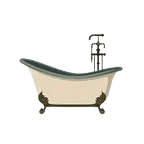
However, submerging yourself in nostalgia is equally captivating. Vintage-style clawfoot bathtubs and Victorian influences are making a significant comeback, evoking charm and sophistication in modern homes. The focus here is to blend enjoyment and design principles, creating spaces that are not just meant for bathing but are, instead, carefully curated retreats.
Beauty aside, integrating smart technology into bathtub designs is another trend worth noting. Bathtubs with built-in chromotherapy lighting or whirlpool features provide an immersive and tranquil bathing experience, reflecting the personalization of spaces as homeowners dream of their own perfect oases.
Color Palettes and Themes
Selecting the right colors for your bathroom can transform the space entirely. Simple whites and soft pastels continue to dominate, providing a clean backdrop for the star of the show—the bathtub. Yet, don't shy away from bolder tones like deep navy or forest green if you’re after a more dramatic effect.
Choosing colors that harmonize with the overall theme of the bathroom holds the key. Coastal themes benefit from soft blues and sandy hues, while industrial designs might look delightful with matte black fixtures against raw concrete.
"Your bathtub is not just a fixture; it is an essential accessory that marries the art of function with the grace of design."
Think about integrating textures as well. Tile patterns, wooden accents, or even metallics can add layers to your bathroom’s aesthetic. As you brainstorm ideas, remember the goal is to craft an environment that feels as inviting and restorative as a warm bubble bath after a long day.
Functional Elements
Space Optimization Tips
When considering a bathtub, space is often at a premium, especially in smaller bathrooms. To make the most of available space, opting for compact designs like corner bathtubs can be quite useful. Alternatively, if you aim for a luxurious experience with a free-standing tub, you might want to scale back on other elements, creating a balanced look without overcrowding.
Leveraging wall-mounted faucets can also open up floor space, contributing to a sense of airiness. Moreover, hidden storage solutions in the bathroom can keep essentials out of sight, allowing your bathtub to shine as the only focal attraction.
Multi-Functional Furniture Choices
With multifunctional furniture on the rise, selling someone on a bathtub that offers dual usage can sway their decision. Some modern bathtubs now come with integrated shelving or even space for body care items. Combining the bathtub with seating areas can also enhance usability, providing a space for everyone to relax or congregate.
Incorporating tables or surfaces close to the bath can make soaking more enjoyable, allowing for a cup of tea or relaxing reading material at arm's reach. These innovations serve as great reminders that functionality doesn’t have to sacrifice style, making it possible to have both a practical and appealing bathtub.
Understanding Bathtub Varieties
Choosing the right bathtub is a cornerstone of crafting a bath space that offers both functionality and beauty. The variety of bathtubs on the market can be overwhelming, and understanding these differences is vital for making an informed choice. Each type serves different needs and spaces, contributing to your overall bathing experience. This section dives into the heart of bathtub varieties, exploring their distinctive features, benefits, and considerations that can help you align your selection with your wants and needs.
Types of Bathtubs Explained
Free-standing Bathtubs
Free-standing bathtubs are all the rage for those looking to make a design statement in their bathroom. Unlike traditional tubs that are fixed against a wall, these beauties sit independently, allowing for flexibility in placement. They often command attention and can be the focal point of any bath space.
The key characteristic of free-standing tubs is their varied styles, ranging from contemporary to vintage designs, fitting in with almost any decor theme. One unique feature is how they can be positioned in the center of the bathroom, which opens up different layout possibilities.
The advantage lies in their aesthetic appeal, offering a spa-like ambiance. However, be mindful of the disadvantages: installation may require additional plumbing modifications, and many models can be pricier compared to built-in options.
Built-in Bathtubs
Built-in bathtubs are often seen in older homes and new constructions alike. These tubs are designed to fit seamlessly into the bathroom layout, offering a polished look. Their key characteristic is that they are often surrounded by tiles or other materials, providing a cohesive appearance.
The benefit of built-in bathtubs is their space efficiency, as they can be utilized alongside surrounding fixtures for a functional design. However, they typically tie you to a specific layout, which might limit flexibility in future bathroom renovations.
The unique feature of built-in tubs is their integration with the overall bathroom design, promoting a streamlined aesthetic. Conversely, their disadvantage includes less customization in terms of shape and style compared to free-standing options.
Corner Bathtubs
Corner bathtubs are clever solutions for optimizing limited space. These tubs fit snugly into a corner, helping to save valuable floor space while still providing a comfortable bath experience. A key characteristic here is the special shape, which allows them to utilize often neglected spaces in the bathroom.
The main advantage of corner tubs is their ability to function well in smaller restrooms, making a big splash in style without overwhelming the room. They also come in various designs and materials, catering to diverse style preferences.
On the downside, the unique feature that defines their shape may not be everyone's cup of tea, and some find them less inviting than traditional shapes.
Drop-in Bathtubs
Drop-in bathtubs are another stylish option, nestled into a custom-built platform. The key characteristic of drop-in tubs is that they require a surrounding deck or ledge, doubling as a display area for bathroom items or decorative touches.
They can provide a touch of luxury and elegance, making them a popular choice for homeowners wanting to create a sophisticated bathing area. Their advantage includes a variety of styles and sizes, offering plenty of scope for design creativity. However, the need for a custom deck can add to the overall installation cost.
A unique feature is the ease of access, making them ideal for families or those with mobility concerns, but they could come off as bulky in tighter spaces.
Walk-in Bathtubs
Walk-in bathtubs have grown significantly in popularity, especially among seniors or individuals with mobility issues. Their key characteristic is a low threshold and a door that allows for easy entry and exit, making them a safe alternative for bathing.
The primary advantage is their focus on safety and ease of use. Features like built-in seating and grab bars support a worry-free bathing experience. However, one may consider them less visually appealing than other types of tubs, which could be seen as a disadvantage in design-minded households.
This unique safety component provides tranquility for those seeking independence while bathing but might require more maintenance due to moving parts.
The Role of Bathtub Materials
Selecting the material of your bathtub is as crucial as selecting its style and type. Each material comes with its own set of characteristics and benefits that can alter the usage and aesthetics of your space. It’s important to understand these materials to choose wisely.


Porcelain Enamel
Porcelain enamel bathtubs are known for their striking finish and glossy surface. The key characteristic of porcelain is its durability and resistance to stains and odors. This makes it a popular choice for chic households aiming for a clean look.
A beneficial aspect of porcelain enamel is that it can be easily cleaned, maintain a polished appearance with minimal effort, and works well with both modern and traditional designs. However, the material can be prone to chips if mishandled, marking a distinct downside.
The unique feature is that it provides an elegant finish, giving the feel of luxury without breaking the bank; however, users must be cautious in protecting it from heavy impacts.
Acrylic
Acrylic bathtubs are lightweight and quite versatile. Their key characteristic is that they can be molded into diverse shapes and designs, catering to a range of preferences. This adaptability makes them a prominent choice in contemporary bathrooms.
The advantage is how easy they are to install and maintain. Plus, they're available in a plethora of colors, allowing for personalized design. The downside includes susceptibility to scratches and fading over time if not properly cared for, which could detract from their visual appeal.
Cast Iron
Cast iron bathtubs are well-regarded for their heavy and sturdy build. The key characteristic is their excellent heat retention, which keeps bathwater warmer for longer periods. This can enhance the overall bathing experience greatly.
The benefit of cast iron is longevity; these tubs can last for decades if well-maintained. However, their weight requires reinforced flooring that can raise installation costs.
A unique feature is their classic style that fits well within various design frameworks, but once again, their hefty nature may limit placement options.
Fiberglass
Fiberglass bathtubs are easy to mold, giving them flexibility in design. The key characteristic is their affordability and lightness, making them easy to install. This is particularly beneficial for DIY enthusiasts.
The advantage lies in their cost-effectiveness and variety of styles, which can appeal to budget-conscious homeowners. However, they often require more upkeep to prevent fading and scratching, which is a notable downside.
The unique feature of fiberglass is how lightweight they are compared to other materials, but this can also mean they lack the durability of heavier counterparts.
Composite
Composite bathtubs, made from a blend of materials, provide a strong alternative to traditional options. Their key characteristic is a balance of appearance and practicality; these tubs are often molded to resemble higher-end materials.
A benefit is their resistance to chipping and scratching, making them excellent for families. However, the complexity of the material can sometimes come with a higher price tag.
The unique feature is that they can mimic natural stone or other luxurious materials while still being user-friendly and durable. Yet, it's vital to ensure that you select a well-made composite tub to avoid potential issues.
Strategizing with Size and Space
Understanding how size and space influence your bathtub choice is crucial. It’s not just about picking a pretty tub; it’s about ensuring that it fits harmoniously into your bathroom. The right size ensures that the tub won’t overwhelm smaller areas or, conversely, get lost in larger spaces. Smart strategizing can increase both functionality and aesthetic appeal of your bathing space.
Measuring Bathroom Dimensions
Properly taking measurements of your bathroom is step one. It affects everything from the type of tub you choose to its placement.
Length and Width Considerations
The length and width of your bathroom dictate what types of bathtubs will fit. Measure carefully! You want to strike a balance; a bathtub that's too big can crowd a small bathroom, making it feel cluttered and cramped. A key characteristic of this consideration is ensuring enough clearance around the bathtub, which can be anywhere from 24 to 30 inches for comfortable access.
When chosen wisely, bathtubs with adequate length and width can create a sense of flow in the room, making it easier to maneuver. Unique features include space-saving designs, like corner bathtubs or compact freestanding models, which are excellent choices for smaller spaces. There’s a downside, though—sometimes these space-efficient layouts limit style options.
Height and Depth Implications
Height and depth impact both usability and design. Taller bathtubs can give a more luxurious feel but might be challenging for shorter individuals to enter or exit comfortably. This key characteristic of height affects not just aesthetics but safety as well.
Choosing a bathtub with a comfortable depth allows for deep soaking, which has its own appeal! Just remember that deeper tubs require more water, which can lead to higher bills. Many people appreciate models that are both deep enough for a satisfying soak yet not so deep that they feel like they’re diving into a sinkhole. Thus, balance is crucial here.
Optimizing Space with Bathtub Selection
Selecting the right bathtub can make all the difference in effectively using your bathroom space.
Maximizing Small Spaces
For tiny bathrooms, every inch counts. Maximizing small spaces requires thoughtful tub selection, like opting for a sleek drop-in tub that can fit snugly into existing spaces. Brands like American Standard offer models that are designed with smaller footprints but still provide comfort.
The unique feature of compact tubs is their design adaptability; they can often be installed in multiple orientations, changing the visual impact entirely. The downside? Sometimes, these models might come up short on features like deep soaking or stretch-out space.
Creating Focal Points in Large Bathrooms
In larger bathrooms, creating focal points can help set the mood and functionality of the space. A standalone luxury bathtub can serve as a stunning centerpiece, drawing the eye while remaining functional. The key characteristic here is using the tub to enhance the design of the entire room.
By strategically placing a tub near natural light sources or attractive architectural features, you underscore the overall aesthetic nicely. The unique feature of a freestanding tub is its ability to stand alone—literally—in the room design, allowing for various accessibility and layout options.
Of course, sometimes a larger tub can feel overwhelming if not paired with the right accessories and complementary design elements. So, measure twice and design once!
Examining Aesthetic Choices
When considering the ideal bathtub, aesthetics cannot take a backseat to functionality. The design choices around a bathtub can set the tone for the entire bathroom, affecting not only how it looks but also how it feels. A well-chosen bathtub can either serve as a stunning centerpiece or blend seamlessly into the existing decor, reflecting individual taste and style. In this section, we will dive into various design styles and color options that can help homeowners and renters make informed choices that align with their aesthetic preferences.
Design Styles to Consider
Modern Minimalism
Modern minimalism embodies simplicity and functionality, stripping away any unnecessary frills to create a clean and open aesthetic. This approach is particularly appealing in smaller spaces, where a sleek, uncluttered bathtub can enhance the sense of airiness. The key characteristic of modern minimalism is its emphasis on straight lines and geometric forms, making it a popular choice for contemporary homes. This style typically features bathtubs in subdued colors, often with a matte or soft texture, which adds to a serene atmosphere.
One unique feature of a modern minimalist bathtub is its integration with bathroom fixtures, creating an unobtrusive and cohesive look. On the downside, while many appreciate the understated elegance, some may find the lack of ornamentation somewhat sterile, which might not align with everyone’s taste.
Classic Traditional


The classic traditional style exudes warmth and familiarity, often characterized by fixtures that mimic historical designs. These bathtubs, whether clawfoot or pedestal style, bring a touch of nostalgia into the bathroom. The key feature of this style is its ornate detailing and craftsmanship, which can provide a striking contrast to modern elements.
This style remains popular due to its timeless appeal, as it can effortlessly complement various decor styles, including vintage and eclectic. However, they may require more maintenance than their modern counterparts to keep their luster, but many enthusiasts view this as a worthwhile effort to maintain aesthetic integrity.
Rustic Charm
Rustic charm captures the essence of nature and raw materials, often incorporating wood, stone, and earthy tones. The appeal lies in its ability to create a cozy, inviting spa-like environment right at home. A rustic bathtub can feature natural finishes that highlight the beauty of imperfections and aged wood.
A unique aspect of rustic charm is its adaptability; it works well in both urban and rural settings. While this style can be aesthetically pleasing, it may not suit all homeowners, particularly those who prefer a more polished or sleek look in their bathrooms, as rustic designs can sometimes feel out of place in modern homes.
Industrial Edge
Industrial edge design leverages utilitarian aesthetics, often using metals and dark tones. This style is marked by raw materials, such as concrete or wrought iron, giving the bathroom a modern, edgy look. The key characteristic of an industrial bathtub is its ruggedness; it often features unconventional shapes that defy traditional designs.
This style appeals to a segment of homeowners looking for a bold statement in their bathrooms and is frequently integrated into loft-style apartments. However, the industrial edge may not jive with those valuing warmth or softness in their spaces, as it can feel cold or stark.
Luxury Spa-like Atmosphere
Creating a luxury spa-like atmosphere in your bathroom transforms bathing into a lavish experience. This approach often incorporates large soaking tubs, jet features, and soothing lighting. The key characteristic of this aesthetic is the emphasis on relaxation and pampering, which can include features like built-in LED lights and sound systems.
Luxury bathtubs yield a sense of indulgence that appeals to those who view their bathroom as a personal retreat. However, this style can sometimes lead to higher costs—both in terms of the initial investment and ongoing maintenance, depending on the elaborate features included.
Color and Finish Options
Neutral Tones vs. Vibrant Hues
When it comes to color, the choice between neutral tones and vibrant hues can dramatically influence a bathroom's ambiance. Neutral tones—such as whites, beiges, and grays—provide calmness and elegance, fitting into virtually any style. They tend to make spaces feel larger, which can be particularly beneficial in smaller bathrooms.
On the other hand, vibrant hues can inject energy and personality into the space. Bright colors can be used strategically as accent pieces, drawing attention while keeping the overall design from feeling bland. However, choosing vibrant colors often requires careful planning as they could overwhelm a smaller space if not balanced well.
Glossy vs. Matte Finishes
The finish of a bathtub can also significantly impact its overall look and feel. Glossy finishes reflect light, adding a touch of glam and making bathtubs appear cleaner and more modern. They can create a striking contrast when paired with matte elements in the bathroom, leading to visually rich experiences.
In contrast, matte finishes offer a softer, more subdued aesthetic that can feel more organic and inviting. These finishes can hide water spots and scratches better, but they may require different cleaning methods to maintain their appearance. Each finish has its pros and cons, and the choice largely revolves around the desired atmosphere in your bathing space.
Final Note: Selecting the right aesthetic choices for your bathtub is crucial not just for personal satisfaction but for increasing your home’s value. A well-chosen style and color can set the stage for a beautifully designed bathroom that enhances your daily routine.
Comfort and Functionality Attributes
When selecting a bathtub, comfort and functionality stand out as paramount attributes. The experience of bathing transcends mere routine; it cultivates relaxation, providing a sanctuary away from day-to-day chaos. Having a bathtub that aligns with one's needs not only enhances physical well-being but also taps into the emotional aspects of self-care. In essence, a bathtub that promises comfort significantly uplifts the experience, making it a vital consideration in any sound purchasing decision.
Evaluating Ergonomics
Supportive Designs
Supportive designs in bathtubs are crafted with the user's body in mind. These designs prioritize contouring that feels intuitive, making it easier to relax and rejuvenate. Key characteristics include gently sloping backs and strategically placed armrests that align with natural body geometry. This emphasis on ergonomics allows for prolonged comfort during baths, which is why many prefer such features in their bathtubs.
One unique feature of supportive bathtub designs is the lumbar support that holds the back gently in place, helping to alleviate tension. Many homeowners appreciate this characteristic as it fundamentally changes how they perceive their bathing experience. While some may worry that these designs could complicate cleaning or installation, the benefits of increased comfort often outweigh these concerns.
Comfortable Seating Heights
When considering bathtub choices, comfortable seating heights should not be overlooked. The height of a bathtub can greatly affect usability, especially for individuals who may face challenges in mobility. A bathtub that features a thoughtful seating height is often highlighted for its accessibility, making it a sound option for various users, including seniors and individuals with physical limitations.
A defining characteristic of comfortable seating heights is the average range between 18 and 22 inches from the floor. This range provides an ease of entry and exit, which many find appealing. An advantage of this design is that it accommodates a diverse array of users without sacrificing aesthetics. However, those looking for a more avant-garde look might find that lower or higher alternatives may align better with their vision, albeit at a potential cost to comfort.
Enhancing Bathing Experience
Hydrotherapy Features
The realm of hydrotherapy features introduces an elevation to the bathing experience that many now seek. Hydrotherapy employs water for pain relief and wellness, which resonates well with users looking to unwind after a long day. Key features include varying jet placements and adjustable settings that cater to individual preferences, making it a popular choice among luxury bathtub offerings.
A unique aspect of hydrotherapy is the therapeutic jets that can be customized based on intensity and placement. Users often remark on how these jets help soothe tired muscles and enhance relaxation. Despite the initial investment these systems may require, many find the respite provided justifies the long-term commitment.
Technology Integrations
Modern bathtubs are not just for soaking; they can incorporate technology integrations that turn bathing into an immersive experience. Options like Bluetooth speakers and smart controls allow users to set the ambiance with their preferred tunes or adjust water temperatures without leaving the comfort of the bath. Such systems add an element of sophistication that great appeal to tech-savvy homeowners.
One unique feature worth noting is the inclusion of smart sensors that monitor water levels and temperatures. This innovation not only enhances safety but also ensures that the bath is ready at the ideal moment. However, prospective buyers should assess their comfort level with technology, as some integrations may demand a learning curve.
In summary, comfort and functionality attributes are critical in defining what makes an ideal bathtub. Evaluating supportive designs, comfortable seating heights, hydrotherapy features, and technology integrations can greatly enhance both the experience and overall satisfaction. Emphasizing these elements leads to a more tailored and luxurious bathing sanctuary.
Installation and Maintenance Considerations
When embarking on the journey to choose a bathtub, it’s imperative to not only consider the physical attributes of the tub itself but also the logistics of installation and the ongoing maintenance. These elements significantly influence not just the initial investment but also the longevity and usability of your bathtub in the long run. A well-installed and properly maintained bathtub can enhance the bathing experience and provide a sanctuary of relaxation for years to come.
Understanding Installation Processes
DIY vs. Professional Installation
The decision to install a bathtub yourself or hire a professional can be one of the most pivotal ones in your bathtub journey. Choosing the DIY route offers not only a sense of satisfaction but can also save you a few bucks, making it a tempting choice for many. The characteristic flexibility in choosing your timeline and modifying the project as you go gives DIY enthusiasts a sense of ownership
However, the downside can be steep. Many folks can run into unforeseen issues during installation, from fitting problems to water leakages. These complications may turn a simple project into a knotty situation, leading to more expenses down the road. If you're not handy with tools or are unsure about plumbing, it might be better to leave it to the experts. Professional installers, on the other hand, bring a wealth of experience and knowledge, reducing the risk of mistakes and ensuring the bathtub is fitted properly. Their expertise can save time and provide peace of mind, making the upfront investment worth every penny.
Foundation Requirements
The foundation of your bathtub isn't just about aesthetics; it's about ensuring the structural integrity of the installation. A solid and level surface is paramount for both built-in and free-standing models. The key characteristic of foundation requirements lies in its ability to support the weight of the bathtub when filled with water, as well as the users.
If you skimp on foundation preparation, the tub may not only sag with time but can also lead to costly repairs. People often underestimate this step, thinking they can just place the tub on any surface. This misconception can end up costing you both time and money. A diligent approach to foundation checks pays off, as it serves as the backbone of a successful bathtub installation.
Ongoing Maintenance Tips
Once your bathtub is in place, the focus shifts to maintenance. Keeping your bathtub in peak condition ensures it remains a welcoming space for relaxation, rather than a repository for grime and wear.
Cleaning Regimens
Establishing a regular cleaning regimen is vital in maintaining the appearance and functionality of your bathtub. The characteristic feature here is consistency; it’s better to spend a short time cleaning regularly than to let dirt build up, leading to tedious scrubbing sessions.
Opt for gentle, non-abrasive cleaners that respect the finish of your tub material. Certain surfaces can become scratched or damaged if harsh chemicals or scrubbers are used. You might find it helpful to set a schedule—maybe a quick clean every week and a deep clean monthly—ensuring your tub shines and remains hygienic.
Preventing Damage over Time
Taking steps to prevent damage over time can save you a whole lot of trouble later on. Regularly checking for stains, cracks, or leaks can help identify problems early, before they escalate into costly repairs. This characteristic of proactive maintenance not only extends the lifespan of your bathtub but also ensures a safe bathing environment.
Consider using mats or protective pads to avoid scratches and chips, particularly if you have a free-standing tub. Attention to these small details can translate into big savings and stress reduction down the line.
"A stitch in time saves nine" – this saying emphasizes the importance of catching issues early.
Budgeting for Your Bathtub
When it comes to selecting the perfect bathtub, the significance of budgeting cannot be overstated. Understanding the financial aspects helps homeowners make informed decisions that align with their needs and preferences. With bathtubs hitting various price ranges based on features and materials, a well-thought-out budget lays the groundwork for not only selecting a bathtub but also ensuring that it fits seamlessly within the overall design and construction plan of the bathroom.
budgeting wisely can prevent overspending on unnecessary luxury items while also ensuring the essential qualities like comfort and durability are not compromised.
Determining Costs
Initial Purchase Price
The initial purchase price serves as a cornerstone in the budgeting conversation when choosing a bathtub. This cost can vary widely, influenced by factors like material, design, and size. For example, a sleek acrylic bathtub typically comes at a much lower price than its cast iron counterpart. Many opt for the affordability of acrylic; it is lightweight, easy to install, and available in a range of styles, making it a popular choice among budget-conscious shoppers.
The downside, however, is that while they’re budget-friendly, acrylic bathtubs may not boast the longevity or temperature retention associated with higher-end models like cast iron, which can be seen as an investment for the long haul. Therefore, while the initial price point can be attractive, prospective buyers should consider how often they'll want to replace lower-cost options compared to spending a bit more for robust alternatives that may last a lifetime.
"A bathtub isn’t just a purchase; it’s a central part of your home experience. It makes sense to invest wisely."
Installation and Accessories Costs
Installation and accessorizing can easily sneak up on buyers, adding a good chunk to the overall budget. Depending on whether a homeowner chooses a DIY approach or hires a professional, costs can vary significantly. Labor costs can take a back seat if the homeowner has handy skills but might balloon expenses if someone opts for professional installation, particularly for complex setups like drop-in or walk-in models.
Accessories such as faucet sets or showerheads add to this expenditure as well. Investing in higher-quality fittings can often lead to a better result in the long run, even if they require a larger upfront investment. Additionally, while basic fixtures can look appealing at first glance, they may not hold up over time, necessitating replacements that add to long-term costs. Homeowners should be clear about what they need versus what looks pretty on the showroom floor.
Investing in Longevity vs. Short-term Solutions
When it comes to bathtub selection, prioritizing quality over quick-fix solutions can go a long way in saving money down the line. A strong choice in materials and craftsmanship enriches the bathing experience and proves more economical over time.
Evaluating Quality
Quality evaluation is paramount for anyone contemplating a bathtub purchase. Materials like cast iron or high-grade acrylic offer both durability and aesthetic appeal, thereby justifying their higher price tags. High-quality bathtubs often showcase better insulation, ensuring that water stays warm longer, offering an enhanced bathing experience and reducing heating costs over time.
On the contrary, lower-end bathtubs may be more superficial in appeal but can lack in sturdiness and comfort. A meticulous eye on quality can lead to considerable savings in replacement costs, minimizing how often homeowners will need to make new purchases.
Warranty and Support Options
Warranties and support options are crucial elements to consider during the purchasing journey. A product with a solid warranty offers tangible peace of mind, especially when investing a significant chunk of change. Many reputable brands provide robust warranty options that cover defects, ensuring that the consumer is protected should any manufacturing issues arise.
The trade-off here is that while a longer warranty might translate to higher upfront costs, it does reflect an investment in quality, making it a wise choice for homeowners who want to safeguard their bathtub purchase. On the other hand, opting for a low-cost bathtub that lacks reliable support can leave a buyer feeling stranded when issues crop up down the line.
In essence, cost considerations when budgeting for a bathtub should delve deeper than stickers prices. Factors such as installation, material quality, warranty, and potential longevity play invaluable roles in crafting a holistic budget plan. Keeping an eye on these elements can guide towards making more sound decisions that marry personal aesthetic preferences with financial pragmatism.
Final Thoughts on Choosing a Bathtub
Selecting the ideal bathtub for your space isn’t just a matter of functionality but can greatly influence your overall bathing experience and bathroom aesthetic. In shaping a sanctuary for relaxation and rejuvenation, this decision can weigh heavily on your daily routine and personal style. A well-chosen bathtub will harmoniously blend with your bathroom’s theme while serving your practical needs.
Also, with many developments in technology, design, and materials, the opportunities are plentiful. The nuances between styles could lead one to explore a freestanding design to make a bold statement, or perhaps opt for a built-in model to maximize functionality and space efficiency. Thus, understanding your preferences, needs, and the evolving trends in bathtub designs is paramount to making a choice that brings joy and utility.
Aligning Choices with Personal Preferences
Balancing Aesthetics and Functionality
When it comes to balancing aesthetics with functionality, one must strike a delicate chord. An eye-catching tub might not deliver the comfort you'd seek after a long day, while a utilitarian piece could lack visual appeal. Black freestanding bathtubs``` are a prime example, offering a modern flair while providing deep soaking potential. They balance sleek lines and a practical shape, embodying both the chic look and usability that customers desire.
Finding this equilibrium ensures that the tub enhances the space without compromising comfort. Amidst vibrant colors and various materials, picking something that suits both the eye and the experience can be a game-changer in your bath time rituals.
Reflecting Lifestyle in Your Choice
Choosing a bathtub that reflects your lifestyle goes hand in hand with the aesthetic-functionality balance. Think of it this way: If you are a busy parent, a walk-in bathtub may cater better to your needs, providing safety and ease of access. On the other hand, if you delight in spa-like experiences, a tub with built-in jets or a soaking feature may be just what you crave.
Moreover, embracing your daily life and the routines therein assists growers in making informed decisions. The unique feature of this alignment is often found in reading user reviews, as they provide insights from real-world experiences, something which modern marketing may soften. While these choices cater to individual needs, they also add a personal touch to your home’s environment.
Changing Trends in Bathtub Design
Sustainability Considerations
An increasing concern for many is the impact of our choices on the environment. Especially in home design, sustainability has taken a front seat. This includes factors like water conservation in tub designs and the sourcing of eco-friendly materials. Bathtubs made from recycled or sustainable materials can lower your carbon footprint while adding an intriguing storytelling aspect to your space.
The benefit here is clear: Eco-friendly bathtubs often use less water during regular usage. As consumers yearn to engage in greener practices, these options become ever more popular, transforming not just bathrooms but mindsets towards sustainability.
Integration with Smart Home Technologies
With the cadences of the digital age echoing in every corner of life, why should your bathtub remain unconnected? The latest trends now allow integration with smart home technologies. Features like temperature controls, lighting adjustments, and even self-cleaning systems are becoming commonplace in bathtubs. Installing a smart bathtub can enrich the bathing experience, but it does come with its own set of considerations.
The unique advantage lies in convenience, as smart bathtubs often facilitate better management of personal preferences, and can even sync with home automation systems. However, it’s crucial to ensure you have the appropriate infrastructure to support these additions, or future connectivity choices could leave you high and dry.
Overall, reflecting on these considerations can empower you towards making a thoughtful selection that suits your needs.
"Choosing the right bathtub means understanding your unique requirements and piece by piece, crafting a personal oasis. The best bath isn’t simply about the vessel; it’s about the experience."
Additionally, those seeking further inspiration or guidance might visit resources such as Wikipedia or home improvement forums specializing in bath remodels. Merely hashing through options without appreciating the depth of what makes a bathtub optimal won’t yield rewarding results.