Exploring the Appeal of Self-Standing Bathtubs
Intro
As the world of home design continues to evolve, the bathroom has emerged as a sanctuary where style meets functionality. Among the standout features capturing attention are self-standing bathtubs, which have soared in popularity due to their unique designs and luxurious feel. These bathtubs transform an ordinary bathroom into an oasis, merging comfort with elegance.
Self-standing bathtubs are not just about soaking in water; they represent a shift in how we perceive and utilize bathroom spaces. Traditionally, bathtubs were often built into units, tucked away in corners, blending into the background. However, modern design trends favor a bold statement. This article will explore various aspects of self-standing bathtubs, including their design evolution, functional benefits, and aesthetic appeal. We'll also navigate through selection tips, maintenance insights, and how these bathtubs can harmonize with contemporary bathroom styles.
By understanding the allure of these self-contained units, homeowners can make informed decisions to enhance their living spaces. Whether seeking a minimalistic approach or a more elaborate extravagance, the variety in shapes, materials, and styles available can cater to any taste and preference.
A Brief History of Bathtub Design
The narrative surrounding bathtub design stretches back thousands of years, engaging both functionality and aesthetics. Understanding this history is pivotal in appreciating the modern self-standing bathtub, as it showcases the evolution of personal hygiene practices and interior design trends. Each era brought its own influences, incorporating advancements in materials and techniques that allowed bathtubs to transform from mere utilitarian objects to centerpieces of relaxation and luxury.
Early Origins
The roots of bathing can be traced to ancient civilizations, like the Romans and Greeks, who recognized the therapeutic benefits of soaking in water. Back in those days, individuals would often bathe in large communal basins made of clay or stone. These early bathtubs were more about practicality than style; however, their significance in promoting cleanliness and social engagement was monumental. The rise of enclosed spaces allowed for privacy, making bathing rituals more personal, signifying the beginning of what would grow to be the cherished tradition of home bathing.
As time went on, from the 14th to the 17th century, bathtubs began to appear in private residences, though they were often made from wood or metal—oysters and copper were popular choices. The design remained fairly basic, reflecting a lack of interest in aesthetics and a focus on function and hygiene. It wasn’t until the 19th century that the true evolution of design would begin to take shape, influenced heavily by the Industrial Revolution.
Evolution of Materials
The 19th century saw significant changes in bathtub materials, largely due to industrial advancements. Iron, porcelain enamel, and later acrylic, began to dominate the market. Each material brought its own set of attributes.
- Cast Iron: Renowned for its durability, this material provided an excellent heat-retaining option, allowing longer, warmer baths.
- Acrylic: Introduced in the mid-20th century, acrylic offered lighter weight and a modern aesthetic, quickly gaining popularity in contemporary designs.
- Fiberglass: Emerging later, it became a budget-friendly alternative, making bathtubs accessible for more households.
This evolution also brought about various styles, such as freestanding tubs that reflected the growing preference for individual expression in home design. With the introduction of different finishes and colors, homeowners could now select tubs that complemented their personal style.
Modern Innovations
Today, the landscape of bathtub design is more diverse than ever. The late 20th and early 21st centuries experienced a surge in innovative designs that championed both functionality and artistic expression.
Features like built-in whirlpool jets, integrated lighting, and even smart technologies have revolutionized the bathing experience, making it a personal wellness retreat.
Moreover, sustainability has become a focal point in recent years. Innovative materials and water-saving designs contribute to eco-conscious living, catering to a growing segment of consumers who prioritize environmental responsibility.
"With each wave of innovation, bathtubs have transformed from simple receptacles of water to immersive retreats that invite relaxation and reflection."
Defining Self-Standing Bathtubs
Self-standing bathtubs, often referred to as freestanding bathtubs, embody a unique fusion of form and function. They stand apart from traditional built-in models, often dominating the visual landscape of a bathroom. These bathtubs are not just vessels for bathing; they serve as striking statements that can dictate the room's overall style and ambiance. Understanding what defines a self-standing bathtub is key for homeowners looking to elevate their bathroom experience.
Characteristics and Features
The essential characteristics of self-standing bathtubs include their distinct supportive structures, which allow them to be located anywhere within a room. Unlike traditional bathtubs that are often installed against a wall, freestanding models showcase elegant curves and modern lines, making them a focal point. Common materials include acrylic, cast iron, and stone resin, each offering different advantages in terms of aesthetics and durability.
- Visual Appeal: The allure lies in their sculptural shapes, which can range from minimalist to ornate designs. Homeowners can select designs that align with their personal style, from sleek and modern to elaborate and vintage.
- Versatile Placement: These bathtubs can be positioned away from walls, allowing for creative bathroom layouts. This also aids in maximizing the use of light, creating a more open atmosphere.
- Comfort Features: Many self-standing bathtubs come with ergonomically designed backs that can enhance comfort during use. Their depth often allows for a more immersive bathing experience.
"Freestanding bathtubs are not just for relaxation; they redefine space in your home, creating a sanctuary.”
In a market where practicality intertwines with luxury, the characteristics of these bathtubs offer a compelling reason for their rising popularity among homeowners.
Design Diversity
When it comes to design diversity, self-standing bathtubs certainly don’t hold back. The range caters to all tastes and preferences, reflecting the growing trend of personalization in interior design.
- Contemporary Designs: Sleek, angular shapes are often seen in modern bathrooms, with a focus on sharp lines and understated elegance. These designs often incorporate bold colors, creating striking contrasts against neutral bathroom backdrops.
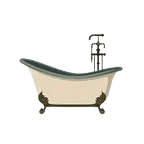
- Vintage Looks: For those who appreciate classic styles, clawfoot bathtubs are making a comeback. These tubs bring a touch of nostalgia and charm, often complemented by gold or brass fixtures.
- Eclectic Choices: Some homeowners opt for artistic creations—think of asymmetrical shapes or vibrant colors—that can serve as conversation starters. Such bathtubs portray individuality and can layer a bathroom with personality.
The range of designs means that whether you favor an understated matte finish or a glossy, bold color statement, there’s a self-standing bathtub that fits perfectly into any vision.
In summary, defining self-standing bathtubs goes beyond mere physical attributes; it dives into their role as aesthetic and functional centerpieces within a home. Understanding their characteristics and design options helps homeowners make informed choices that align with both their lifestyle and personal tastes.
Benefits of Self-Standing Bathtubs
The allure of self-standing bathtubs extends beyond mere aesthetics; they offer a blend of functionality and elegance that homeowners find hard to resist. By focusing on essential benefits, this section illustrates why investing in such a tub can transform a simple bathroom into a lavish retreat. Let’s delve deeper into the multiple advantages offered by these freestanding fixtures.
Visual Impact
Self-standing bathtubs, with their bold designs, serve as statement pieces in any bathroom space. They draw the eye, often acting as the centerpiece that ties the entire room together. The way these tubs juxtapose elegance with functionality makes them stand out.
These bathtubs come in myriad shapes—from sleek and modern curves to more traditional clawfoot designs. The choice of materials like stone resin or acrylic further enhances their appearance, contributing to a high-end feel. Installing a self-standing tub can elevate the overall ambiance, turning an ordinary restroom into an eye-catching sanctuary. Homeowners often mention how a freestanding tub can even increase the perceived value of their property.

"A freestanding tub isn't just a place to rinse off. It’s a pop of luxury, a hint of artistry, and a subtle scream of self-care all wrapped into one."
Comfort and Ergonomics
Comfort is paramount when it comes to self-standing bathtubs. Many designs are specifically crafted with ergonomic considerations, allowing for a more relaxing bathing experience. The way these tubs are built often ensures support for the back, neck, and legs, allowing individuals to soak without feeling fatigued.
When choosing a self-standing tub, aspects such as depth and curvature play a vital role in comfort. A deeper tub can allow for a full-body soak, while those with gentle curves cradle the body, enhancing relaxation. Couples appreciate bathtubs that can accommodate more than one person, creating a cozy environment for a shared experience.
Flexibility in Space Planning
One outstanding benefit of self-standing bathtubs is their flexibility in design and layout. They can be positioned almost anywhere—against a wall, in the center of the room, or even beside a window. This adaptability opens doors to innovative bathroom layouts.
Homeowners are often keen to have their bathrooms reflect their personal style. A self-standing tub can be placed strategically to optimize space while also drawing attention to other features, such as natural lighting or complementary fixtures. This versatility makes such tubs particularly appealing for those looking to remodel or design their bathrooms from scratch.
Not only do they suit various design themes—be it minimalistic or vintage—but they can also be paired with accessory fixtures like modern faucets, shelves, and lighting to create an aesthetically pleasing atmosphere.
Selecting the Right Self-Standing Bathtub
Choosing the right self-standing bathtub is not just about aesthetics; it's about finding the right fit for your space and needs. With an array of styles and materials, understanding the nuances of each option becomes crucial. A well-chosen bathtub can serve as a centerpiece in your bathroom, elevate the overall design, and provide optimal comfort. Knowing what to look for—from size to material—ensures that you make a decision that blends funcionality and appeal seamlessly.
Considerations for Size and Space
When selecting a self-standing bathtub, size and space are paramount. Measure the area where you plan to install the bathtub, making sure to factor in not just the bathtub's dimensions but also surrounding space. You want enough room to move freely and avoid a cramped feel. It's also vital to consider doorways, hallways, or stairs leading to the bathroom; a beautiful tub won't do you any good if it can't fit through the door!
Some popular size considerations include:
- Standard bathtub sizes: Typically range from 54 to 72 inches long.
- Soaking tubs: Often deeper, providing a more luxurious experience but can take up more space.
- Compact tubs: Ideal for smaller bathrooms, typically under 54 inches but still stylish.
A good rule of thumb is to leave at least 3 feet of clearance around the tub for easy access, enhancing usability without creating a cluttered look.
Choosing the Right Material
Material choice plays a significant role in both the aesthetic and functional qualities of self-standing bathtubs. Each material brings its unique warm and tactile qualities as well as practical advantages and disadvantages. Here are some popular options:
Acrylic
Acrylic bathtubs are favored for a multitude of reasons. Lightweight and easy to install, acrylic offers versatility in design and is available in various shapes and sizes. The non-porous surface adds to its appeal, making it simple to clean. Moreover, acrylic bathtubs are warm to the touch, providing comfort right out of the box—even during those chilly mornings.
However, it's essential to remember that while acrylic is scratch-resistant, it can still be prone to fading over time if exposed to direct sunlight. Overall, their affordable price point and ease of installation make acrylic a solid choice for many homeowners.
Cast Iron
A classic choice, cast iron bathtubs are known for their durability and longevity. A cast iron tub typically has a glossy, enamel finish which can be visually stunning. This material retains heat exceptionally well, allowing for long and enjoyable soaks without the need to constantly add hot water.
The weight of cast iron is a double-edged sword; it stands firm, ensuring stability but can pose installation challenges, especially for second-floor bathrooms. On the flip side, the finish is prone to chipping if mishandled, which can necessitate careful cleaning to maintain its original luster.
Stone Resin
Stone resin bathtubs are garnering attention for their luxurious feel and unique aesthetic. The blend of natural stone and resins creates a solid, heavy tub that mimics the appearance of stone while offering enhanced durability. Stone resin maintains heat well and is resistant to scratches and chips.
However, a possible downside is the price point; stone resin can be on the expensive side. Additionally, its weight can complicate installation. But the sophisticated look and style it adds may well justify the investment for many.
Fiberglass
Fiberglass offers an economical alternative for homeowners looking for a budget-friendly option. It’s lightweight and typically easier to install compared to other materials. Fiberglass is available in a variety of colors and finishes, making it a customizable option for many bathroom styles.
However, while it is less expensive upfront, fiberglass can lose its finish over time and may not stand the test of durability as effectively as other materials like acrylic or cast iron. Each scratch or ding could become more noticeable, and maintenance may require more effort to keep it looking fresh.
Installation Process Overview
The installation of a self-standing bathtub is a critical phase that demands attention to detail. The significance of this process cannot be overstated, as it sets the stage for durability and optimal functionality in your bathroom. A well-executed installation not only enhances the overall appeal of your bathroom but also ensures safety and practical use for years to come. Understanding the installation process equips homeowners with the knowledge to either tackle the project themselves or hire the right professionals, ultimately preventing headaches in the future.
Preparing the Space
Before you even think about bringing in the new self-standing bathtub, preparing the space is key. Start by measuring your bathroom to ensure the selected bathtub fits like a glove. It's often easier to visualize the placement by using tape to outline the bathtub's dimensions on the floor. Take special care to check the flooring too -- is it level? Uneven flooring can create a world of trouble when it comes time to fill or drain the tub.
Clear the area of any unnecessary clutter, and think about the logistics: will the installation be in a cramped space or a larger bathroom? The more open the area, the better for maneuvering during installation. Finally, consider some protective elements for your existing flooring such as cardboard or a drop cloth while you work. This can save you from a world of scratches and dents.
Plumbing and Electrical Considerations
Understanding plumbing and electrical considerations is like reading a map before a road trip. You'll need to be aware of the existing plumbing setup and how it aligns with your new bathtub. If your current setup doesn’t match the bathtub's requirements, you might need to make some adjustments. It's advisable to consult a plumber if you're not familiar with this part of the installation. They can help you identify the connections for water supply and drainage, paving the way for a smooth install.


Additionally, if your bathtub has optional features such as heated systems or lights, make sure there's adequate electrical supply. Consider hiring an electrician if you're uncertain about installing these features yourself. Having solid plumbing and electrical systems in place means avoiding future issues that could arise post-installation.
Final Installation Steps
Finally, the moment of truth arrives with the last steps of installation. Carefully position your bathtub where you planned during the preparation stage. This is where the level of care you put into prep pays off. Ensure that it’s level by using a carpenter’s level tool; this is crucial to avoid any water pooling that could lead to damaging leaks.
Next, secure the tub according to the manufacturer’s guidance. This may involve attaching it to the floor (if applicable) or using brackets. After everything is fixed in place, connect the drain and water supply, making sure all seals are tight to avoid leaks.
After what should be a thorough round of checks, fill the tub to ensure there are no leaks. As a final deterrent against unwanted surprises, allow some time to observe if everything works smoothly.
Remember, effective installation combines preparation, understanding of plumbing and electrical systems, and meticulous execution.
By following these steps, you can ensure your self-standing bathtub is not just a beautiful addition to your bathroom, but also a functional and dependable one.
Maintenance and Care Tips
Maintaining a self-standing bathtub goes beyond just keeping it looking good. Regular upkeep is essential for ensuring longevity and functionality. A little preventive care can save a lot of hassle down the line. Here’s a closer look at how to maintain your bathtub so it remains a focal point of relaxation in your home.
Regular Cleaning Regimen
When it comes to cleaning, a consistent routine is key. The best way to maintain the pristine condition of your bathtub is to establish a regular cleaning regimen. For most materials, a simple mixture of warm water and mild soap works well. Avoid harsh chemicals that might damage finishes or create unsightly stains.
For acrylic bathtubs, using non-abrasive sponges or cloths will help remove grime without scratching the surface. An occasional vinegar rinse can also get rid of soap scum and mineral deposits, especially if you live in a hard-water area. Conversely, cast iron tubs require more care; a soft cloth and a gentle cleaner will help preserve their enamel surface.
Tip: Always rinse thoroughly after cleaning to prevent any buildup of residue.
A weekly clean should suffice for most households, but if you frequently use bath oils or shower gels, you may need to increase the cleansing frequency.
Addressing Common Issues
Even the best-maintained bathtubs face problems from time to time. Recognizing issues early can make repairs far less daunting. One common nuisance is the buildup of mold or mildew, particularly in the corners or around any fixtures. This can be combated effectively by using white vinegar combined with baking soda—a natural remedy that works wonders.
Another issue is the risk of scratches or dents from heavy objects or sharp tools. If a minor scratch occurs, crude polishing compound can often help. For deeper scratches, consider contacting a professional to restore the finish. Ensuring you don’t overload the tub with excessive weight is vital as well, especially for materials like acrylic that can be more prone to bending under pressure.
Long-Term Care for Various Materials
Different materials require distinct approaches to long-term care, tailored to their unique properties. For stone resin bathtubs, it's important to apply a sealing agent periodically, as the material can be porous and may absorb stains over time. A good sealing can also enhance the tub's shine.
Fiberglass bathtubs need regular waxing similar to a car; this helps maintain their gloss and keeps the surface sturdier against scratching. If you find chips or cracks in your fiberglass tub, a simple repair kit available at most home improvement stores can remedy the situation.
Ultimately, understanding the specific needs of each material will greatly enhance the life span of your self-standing bathtub, ensuring it remains an elegant and relaxing feature of your home. Keeping these tips in mind can turn what might seem like a bit of work into an enjoyable part of your routine.
Incorporating a Self-Standing Bathtub into Bathroom Design
When it comes to bathroom aesthetics, the inclusion of a self-standing bathtub is not just about luxury; it's about crafting a personal oasis. These bathtubs serve as striking centerpieces, drawing the eye and elevating the overall design of the space. Integrating a self-standing bathtub into your bathroom requires thoughtful consideration of a few key elements — from complementary fixtures to harmonious color schemes. Each aspect plays a role in creating a cohesive design that feels both inviting and functional.
Complementary Fixtures and Accessories
To seamlessly incorporate a self-standing bathtub, it's essential to select fixtures and accessories that maintain the design's flow. A freestanding tub pairs well with various styles of faucets and showerheads, allowing you to express your personal taste. For instance, a modern tub complements sleek, minimalist fixtures, while a vintage-style tub can be accentuated with ornate, classic faucets.
- Fixture Types:
- Floor-mounted faucets: These work beautifully with most self-standing bathtubs and provide a contemporary touch.
- Wall-mounted faucets: Ideal for smaller spaces; they save floor space and maintain a clean look.
- Shower systems: Consider a handheld shower system attached to your tub for added convenience.
Additionally, consider accessories like bath trays, which can hold candles or books — perfect for those relaxing moments. Think about incorporating items such as stylish bath mats or shelves that feature decorative accents.
Color Schemes and Aesthetic Harmony
The color palette surrounding a self-standing bathtub can profoundly influence the mood of the bathroom. Opting for a cohesive color scheme ensures that the bathtub does not look out of place but rather blends harmoniously into the environment. You can use a variety of methods to achieve aesthetic harmony:
- Monochromatic palettes: Stick to various shades of a single color for a sophisticated, unified look.
- Contrasting colors: A bold tub in a neutral bathroom can be a striking focal point, making a statement.
- Natural tones: Using earthy colors that reflect nature can soften the overall look, fostering a tranquil atmosphere.
A well-defined color scheme helps in uniting all elements of the design, tying in accessories, cabinetry, and even the flooring.
Creating a Relaxing Atmosphere
Beyond visual appeal, the importance of creating a relaxing atmosphere around a self-standing bathtub cannot be overstated. This space should feel like a retreat, a place where stress melts away. To accomplish this, consider the following:
- Lighting: Soft, adjustable lighting is crucial for setting the mood. Installing dimmable lights or using candles can create an ambiance that's both warm and inviting.
- Textures: Incorporate soft textiles like plush towels or a cozy rug. These elements add comfort and warmth.
- Plants: Adding greenery, such as potted plants or hanging vines, can enhance the tranquility of the space. They purify the air and add a touch of nature.
- Sound: Consider a small sound system or even a waterproof Bluetooth speaker to enjoy calming sounds or soothing music.


A self-standing bathtub is not just an object; it’s a sanctuary. By considering fixtures, color schemes, and the overall atmosphere, you can transform your bathroom into a haven where relaxation reigns supreme.
Current Trends in Self-Standing Bathtubs
In the realm of home design, self-standing bathtubs have found a special place, not only due to their uniqueness but also because they reflect current lifestyle preferences and values. As homeowners increasingly desire to create personal sanctuaries in their bathrooms, the trends surrounding these bathtubs reveal much about contemporary aesthetics and practical considerations. Understanding these trends is crucial in selecting the right bathtub that aligns with both functional and stylistic needs.
Minimalism
Minimalism in bathroom design shines a spotlight on functionality and simplicity. This trend emphasizes clean lines, neutral palettes, and clutter-free spaces. Self-standing bathtubs play a pivotal role within minimalistic designs. Their standalone form creates a focal point without overwhelming the room.
The materials used for these bathtubs often echo the minimalist ethos. For instance, a sleek, white acrylic tub blends seamlessly with a marble or stone surface, ensuring that the overall ambiance remains serene and uncomplicated. Moreover, minimalistic bathtubs often avoid excessive ornamentation or complex patterns, which can detract from their elegant silhouette. Choosing a self-standing tub that aligns with this trend requires an eye for subtlety; the right selection can enhance the room's tranquil feel without the need for additional decorations.
Vintage Revivals
Another prominent trend is the revival of vintage styles, which adds warmth and nostalgia to modern bathrooms. Self-standing bathtubs in this category often feature elegant clawfoot designs or ornate details, embodying craftsmanship that harkens back to a more decorative era.
Homeowners gravitating towards this trend often seek to tell a story with their spaces. They value the charm and character that vintage-inspired bathtubs provide, which juxtaposes beautifully against contemporary fixtures. For instance, a roll-top bathtub in a glossy finish can serve as the centerpiece in a bathroom adorned with other vintage touches, like antique mirrors or pastel tiles. This blend of old and new not only personalizes the bathroom but also creates a cozy retreat that invites relaxation.
Eco-conscious Options
With an increasing awareness of environmental sustainability, many consumers are now looking towards eco-conscious options when selecting their self-standing bathtubs. This trend prioritizes sustainable materials and practices, reflecting a growing commitment to protecting the planet without compromising style or comfort.
For example, some manufacturers are now crafting bathtubs from recycled materials or using eco-friendly coatings that minimize environmental impact. Additionally, self-standing bathtubs designed for water efficiency are gaining popularity. These bathtubs often have innovative features like built-in insulation that maintains water temperature longer, reducing the need for reheating water and, consequently, conserving energy.
Incorporating eco-conscious options not only supports environmental sustainability but also often leads to cost savings in the long run. Homeowners may find themselves drawn to brands that offer green certifications, ensuring their choices contribute to a healthier home and planet.
Exploring current trends in self-standing bathtubs reveals that homeowners are not just investing in fixtures, but in experiences that resonate with their values and lifestyles. Choosing wisely will yield a bathroom sanctuary that reflects personal tastes while embracing modern sensibilities.
Case Studies: Successful Bathroom Transformations
Self-standing bathtubs are more than mere fixtures in the bathroom; they represent a significant aspect of modern interior design. In this section, we explore detailed case studies that showcase how the inclusion of self-standing bathtubs can transform spaces, offer insight, and inspire homeowners. By delving into successful renovations, we understand not just the appeal of these bathtubs but also the thoughtful planning and design principles that lead to beautiful spaces.
Modern Urban Spaces
In bustling urban environments, where space might be tight but style is paramount, self-standing bathtubs gleam as symbols of sophistication. A case study from a Brooklyn apartment exemplifies this; the homeowners wanted to create a serene sanctuary amidst the city's chaos. They selected a sleek, oval-shaped acrylic bathtub from Kohler. The choice was not just about aesthetic; the lightweight nature of acrylic meant it could be easily installed in the existing framework of the apartment.
The area surrounding the bathtub was designed with minimalist patterns in mind. Wall tiles in soft, muted tones complemented the neutral shades of the bathtub, cultivating a sense of calm. Mirrors were strategically placed to enhance the perception of space, making the bathroom feel both airy and inviting. The result? A relaxing retreat that shouts luxury yet understands the demands of city living.
Practical benefits were also evident. The tub's design offered ergonomic advantages, allowing for a comfortable bathing experience after long workdays. The careful selection of materials meant easy cleaning, a crucial factor for urban dwellers.
"In creating spaces within tight urban apartments, it's critical to focus on multifunction – every element must work harder. The bathtub becomes a centerpiece, merging function and style seamlessly."
— Interior Designer, Sarah Langston
Traditional Homes
While contemporary aesthetics are frequently highlighted, traditional homes offer their unique allure when incorporating self-standing bathtubs. A recent renovation of a Victorian-style house in Massachusetts serves as an excellent example of how these tubs can fit into classic design narratives. The homeowners retained the home’s historic playfulness while adding modern conveniences.
They opted for a vintage clawfoot bathtub from Signature Hardware, bringing back a touch of nostalgia. The presence of sturdy, ornate feet gave it character and a focal point in an otherwise neutral space. Surrounding this beauty, traditional beadboard wainscoting and a stunning chandelier provided elegance, drawing upon the home's history.
Moreover, this case highlights the balance between modern comfort and antique charm. The homeowners ensured the plumbing was updated, incorporating modern fixtures that made maintenance straightforward, all without diminishing the bathtub’s charm.
In both cases, whether modern or traditional, the common thread is the bathtub's ability to act as a centerpiece, enhancing the overall aesthetic and providing a calming retreat.
In summary, these case studies illuminate how self-standing bathtubs can transform bathrooms beyond basic utility into rejuvenating spaces. Designers and homeowners alike should think carefully about size, style, and placement, ensuring that the key elements resonate with the home’s overall theme while embracing modern living solutions.
Concluding Thoughts
The topic of self-standing bathtubs carries weight, as it encapsulates not just a design choice but a lifestyle shift. The allure of these bathtubs is multifaceted, drawing homeowners into a realm of both aesthetic delight and functional benefits. By providing a definitive statement in any bathroom setup, self-standing bathtubs often serve as both a practical oasis and a focal point of luxury.
The Future of Self-Standing Bathtubs
As we look ahead, the future of self-standing bathtubs is filled with promise. Designers are tapping into emerging trends that blend functionality with imaginative design. For instance, the push towards sustainable materials cannot be overstated. More manufacturers are exploring eco-friendly materials that not only reduce environmental impact but also don’t compromise on beauty.
- Increased Customization: The ability to personalize bathtubs is gaining traction. Imagine being able to choose your bathtub's shape, size, or even color to match your unique bathroom theme. Customization will allow homeowners to integrate these bathtubs into their spaces seamlessly.
- Smart Technology: Many are beginning to embrace technology in the bathroom. Features such as automated temperature controls, integrated sound systems, and even smart water monitoring systems could redefine how we experience bathing.
With these innovations on the horizon, it’s reasonable to predict that self-standing bathtubs will transition from mere fixtures to essential components of smart home design.
Personalization and Individual Choice
Now, personalization is the name of the game. Self-standing bathtubs lend themselves easily to various styles and tastes. From sleek modern designs to vintage clawfoot tubs, the options are virtually endless. This variety allows homeowners to express their individuality in the sanctity of their bathrooms.
- Style Matching: One can easily find a bathtub that aligns with their home's architecture. For example, a freestanding tub in matte black might catch the eye of those leaning towards modern industrial feels, while a glossy white option might appeal more to fans of minimalist décor.
- Accessorizing: By choosing suitable fixtures and accessories, such as taps, shower heads or bath mats, homeowners have the power to create a cohesive and personal space. Just as the right piece of art can elevate a room, the right bathtub can transform an ordinary bathroom into a personal retreat.
Ultimately, self-standing bathtubs provide not just a bathing experience but an opportunity for self-expression. With thoughtful choices, homeowners can craft a bathroom that not only meets their needs but reflects their personality as well.
"The bathroom is where we cleanse not only our bodies but our minds, making design choices both personal and profound."
Thus, this exploration of self-standing bathtubs highlights a blend of historical significance, modern savvy, and future potential that captivates design enthusiasts and practical homeowners alike.