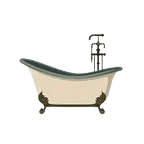
Exploring Specialty Bathtubs: A Guide to Enhance Bath Spaces


Intro
When it comes to transforming a bathroom into a personal oasis, specialty bathtubs can be the pièce de résistance. These unique features not only enhance the aesthetic appeal of the space but also provide an opportunity for relaxation and rejuvenation. Whether you’re a homeowner thinking of a renovation or a design enthusiast seeking inspiration, understanding the world of specialty bathtubs can greatly influence your choices. This guide explores various types of bathtubs, current design trends, installation tips, and maintenance considerations so that you can make informed decisions that will elevate your bath space.
Specialty bathtubs are more than just functional fixtures; they embody style, luxury, and an element of custom design. Each type offers its own set of features, from soaking tubs that promise tranquility to whirlpool versions that provide massage therapies right at home. Let’s dive deeper into the virtuoso of design inspirations and functional elements that will guide you on this memorable journey.
Preamble to Specialty Bathtubs
In recent years, specialty bathtubs have gained significant traction among homeowners looking to transform their bathing experience. These bathtubs are not merely items for washing and cleaning; they embody luxury, comfort, and style. Professionals and enthusiasts alike are paying close attention to how these fixtures can elevate the entire ambiance of a bathroom. This section provides key insights into the purpose and importance of specialty bathtubs in today’s homes, setting the stage for a comprehensive exploration of their types, materials, and design trends.
Definition and Purpose
Specialty bathtubs refer to various tub designs specifically tailored to enhance user experience beyond traditional functionality. These designs include features like jet systems for massage, soaking depths for relaxation, and accessibility options for those needing a more accommodating structure.
Essentially, the term encompasses anything from whirlpool tubs—often synonymous with treating stress and muscle pain—to freestanding designs that serve as statement pieces in an elaborate bathroom setup. Specialty bathtubs aim to cater to diverse needs, be it therapeutic benefits, space utilization, or aesthetic appeal.
Such bathtubs often become the focal point of the bathroom, merging artistic design with practical use. This dual role adds immense value into a home, inviting homeowners to think about their own needs in terms of relaxation and personal care. A carefully selected specialty bathtub can upgrade not just the functionality of a bathroom but also its overall value.
Importance in Modern Homes
As the real estate market evolves, homeowners are increasingly recognizing the role of specialty bathtubs in enhancing property values and appeal. Here are several elements that underscore their importance:
- Aesthetic Appeal: Specialty bathtubs offer a variety of styles, colors, and materials that can match any decor. They can transform an ordinary bath space into a luxurious retreat.
- Functional Benefits: These bathtubs provide practical advantages like advanced features (e.g., hydrotherapy jets) that enhance relaxation and wellness, allowing homeowners to pamper themselves right in the comfort of their homes.
- Space Optimization: With compact designs available, specialty bathtubs can fit into smaller bathrooms, maximizing utility without compromising style.
- Accessibility: Many specialty bathtubs, such as walk-in models, are designed with user accessibility in mind. This helps cater to the needs of aging homeowners or those with mobility challenges, ensuring that they can enjoy bathing safely and comfortably.
According to recent studies, installing a quality specialty bathtub can boost a home's market value by 20-30%. This underscores the significance of selecting the right model with thoughtful design elements.
In summary, specialty bathtubs are more than just a trend; their relevance in modern homes reflects a growing emphasis on well-being and aesthetics. As we delve deeper into various types of specialty bathtubs and their unique features, it's clear that understanding these elements is crucial for anyone looking to enhance their bath spaces effectively.
Types of Specialty Bathtubs
When it comes to enhancing bath spaces, understanding the various types of specialty bathtubs becomes crucial. Each type of tub offers unique features and benefits that cater to different preferences and functional needs. Whether it's about indulging in relaxation, improving accessibility, or maximizing space, knowing what’s out there can make a make a world of difference in your home’s aesthetic and practicality.
Whirlpool and Jetted Bathtubs
Whirlpool and jetted bathtubs are synonymous with luxury and relaxation. These tubs feature built-in jets that circulate water and create soothing bubbles, ideal for relieving stress after a long day. Imagine sinking into warm water, feeling the gentle massage from the jets!
Not only do these bathtubs provide a spa-like experience, but they also aid in therapeutic benefits, such as improving circulation and alleviating muscle tension. It’s important to consider the placement of the tub, as having the right space to enjoy these features is key. Homeowners often opt to install them in private bathrooms, where they can retreat for some well-deserved relaxation.
Soaking Tubs
Unlike standard bathtubs, soaking tubs are designed for deep and comfortable immersion. These tubs encourage a full-body soak, making them perfect for unwinding and promoting mental well-being. Many soaking tubs have a modern design, sleek contours, and also come in a variety of materials, including acrylic and stone.
Homeowners appreciate the elegant look these tubs bring while gaining the health benefits of relaxation and thorough cleansing. In compact bathrooms, choosing a soaking tub can become a statement piece, reflecting both style and practicality.
Walk-in Bathtubs
For those with mobility concerns or aging family members, walk-in bathtubs offer a safe alternative to standard models. They come equipped with a low threshold and a built-in seat, allowing for easy access without the risk of slips or falls. These tubs prioritize safety, made with features like grab bars and non-slip surfaces.
Moreover, many walk-in bathtubs also include therapeutic jets, combining safety with the luxury of hydrotherapy. Homeowners can install these tubs in their existing bathroom layout, allowing for peace of mind without sacrificing style.
Freestanding Bathtubs
Freestanding bathtubs are a visual delight. These tubs can stand alone, acting as the focal point in a bathroom. They come in various styles, from classic claw-foot models to contemporary sculpted designs. The flexibility of placement means homeowners can get creative with layouts, making a bold design statement that can elevate any space.
Beyond aesthetics, the comfort of a freestanding tub can’t be overlooked. People often find them perfect for long baths, as they typically allow for a deep soak. When it comes to deciding on a tub, consider the size and style of your bathroom. A freestanding bathtub can truly transform a mundane bath space into a luxurious retreat.
Corner Bathtubs
Corner bathtubs maximize the use of space while providing a cozy bathing experience. These tubs fit snugly into the corner of a bathroom, making them a smart choice for smaller layouts. Corner designs often allow for two people to bathe comfortably, turning bath time into a shared experience.
With various shapes and configurations, homeowners can select a corner tub that fits their unique style and functionality needs. Some come with additional features like jets or built-in shelving for bath essentials, enhancing usability without taking too much floor space.
Understanding the types of specialty bathtubs can help homeowners make informed choices that resonate with their lifestyle and preferences. From luxurious whirlpool tubs to clever corner designs, there’s something for every bath space, ensuring you enjoy your sanctuary to the fullest.
Materials Used in Specialty Bathtubs
The choice of materials used in specialty bathtubs plays a crucial role in determining their functionality, aesthetic appeal, and overall longevity. Homeowners looking to enhance their bath spaces will discover that the material influences not just the visual aspect but also factors like maintenance, comfort, and price. This section dives into the main materials used in specialty bathtubs, focusing on their unique properties and how they might align with your personal style and needs.
Acrylic and Fiberglass
Acrylic and fiberglass are perhaps the most common materials found in modern bathtubs today. These materials are renowned for being lightweight and easy to mold into various shapes, allowing for a wide range of designs, from traditional to contemporary styles.
- Lightweight and Easy to Handle: Unlike heavier alternatives like cast iron, acrylic bathtubs are relatively easy to install.
- Warmth and Comfort: Acrylic has natural insulating properties, which means warmer water stays hot longer. This characteristic is essential for prolonged soaks during chilly evenings.
- Customizability: Many homeowners opt for acrylic bathtubs because they can be tailored to different depths and angles, making them suitable for various bath designs.
However, it's worth noting that while durable, acrylic can be prone to scratches. Simple cleaning with non-abrasive agents is often sufficient to maintain its luster.
Cast Iron and Steel
If durability is your primary concern, cast iron and steel bathtubs are legendary in their resilience. These materials are not only robust but are also often revered for their classic charm.
- Long-Lasting: Cast iron bathtubs can last a lifetime with proper care. Their heavy construction gives a solid, substantial feel, which some users find appealing.
- Heat Retention: The thickness of cast iron means it retains heat superbly, allowing warm baths to last longer.
- Timeless Aesthetic: These materials often come glazed in porcelain, providing a bright, glossy finish that appeals to traditional and modern decor alike.
On the downside, the weight of cast iron bathtubs often requires reinforced flooring and can pose challenges during installation. Not to mention, their surface can chip, necessitating careful handling.
Stone and Composite Materials
For those looking to incorporate a touch of luxury into their bathrooms, stone and composite materials provide an ideal solution. With options celebrating the beauty of natural materials, these bathtubs are both striking and functional.
- Natural Beauty: Stone bathtubs offer unique patterns and textures that can enhance the overall ambiance of your bath space. They provide a spa-like feel that is hard to replicate.
- Durability: While they are often heavier, stone materials can withstand significant wear and tear, making them suitable for busy households.
- Eco-friendliness: Many stone bathtubs come from sustainable sources, and composite materials often blend recycled materials, appealing to those conscious about their environmental footprint.


The intricacies in design from stone bathtubs not only enhance aesthetics but also tie in beautifully with naturalistic bathroom designs.
Whether you're leaning towards acrylic, cast iron, or stone materials, understanding the unique properties can help you make an informed decision. Selecting the right material will significantly contribute to creating a bathing space that complements your home and your lifestyle.
Design Trends in Specialty Bathtubs
Design trends in specialty bathtubs are not just about aesthetics; they reflect evolving lifestyles and the changing dynamics of our home environments. As bathrooms increasingly become sanctuaries for relaxation and self-care, special attention to design details has gained prominence. Homeowners are now seeking bathtubs that not only serve functional purposes but also resonate with their personal style and well-being. This section will delve into three main design trends that are shaping the market today, each offering unique benefits and considerations for those looking to enhance their bath spaces.
Minimalist Aesthetics
Minimalism in bathtub design harks back to simplicity, clean lines, and an uncluttered look that gives a sense of serenity. It reflects a philosophy that less is more. Choosing a minimalist bathtub can open up a small bathroom, creating an illusion of space. This style often utilizes materials like acrylic or smooth stone, emphasizing geometric shapes without excessive embellishments.
- Key Characteristics:
- Simple, geometric forms.
- Neutral color palettes such as whites, grays, and beiges.
- Seamless finishes that reduce visual clutter.
From a practical standpoint, these minimalist designs are easier to clean and maintain. They fit well into various bathroom styles, from contemporary to traditional, offering versatility. However, customizing a minimalist bathtub might be a bit challenging since the emphasis is on the innate beauty of the design.
Bold Colors and Patterns
For homeowners looking to make a statement, bold colors and striking patterns are gaining traction. Using vibrant hues such as deep blues, fiery reds, or lush greens in your bathtub can transform it into a centerpiece of your bathroom. This trend encourages personality and creativity and serves as an expression of individual style.
- Advantages of Bold Designs:
- Eye-catching focal points that can draw attention.
- Ability to complement or contrast with your overall color scheme.
- Opportunities for unique patterns, even mixing materials like wood or metal.
While choosing a bold bathtub can inject character into a bathroom, one must balance its vibrancy with the surrounding decor to avoid overwhelming the senses. Moreover, bright colors might necessitate more careful maintenance to stay looking fresh and vibrant.
Naturalistic Designs
Integrating nature into bathroom designs has become increasingly popular, leading to naturalistic bathtub styles that promote a feeling of organic tranquility. These bathtubs often mimic natural forms and textures, drawing inspiration from elements like wood, stone, or even water features.
- Benefits of Naturalistic Designs:
- Create a calming environment reminiscent of spa settings.
- Use of eco-friendly materials reflects growing sustainability trends.
- Offer a tactile experience that engages the senses.
Naturalistic bathtubs are particularly appealing to those who seek a connection with the outdoors. Incorporating a naturalistic tub may also encourage the use of plants and other ambiance-enhancing features, making your bath space more restorative.
"As design trends evolve, it's essential to choose a bathtub that resonates not only with your personal style but also with your lifestyle needs."
Overall, the design trends in specialty bathtubs provide a pathway for homeowners to express their individuality while enhancing their bathing experience. Whether opting for minimalism, vibrant colors, or a connection to nature, the right bathtub can undoubtedly elevate a bathroom from mere functionality to an oasis of relaxation.
Functional Benefits of Specialty Bathtubs
When it comes to enhancing the overall experience in your bathing space, specialty bathtubs stand out for their unique functional advantages. They aren’t just a pretty face; these tubs come jam-packed with benefits that can cater to various needs and preferences. From relaxation to accessibility, the right tub transforms a mundane routine into an indulgent ritual, adding both functional and aesthetic value to your home.
Enhanced Relaxation and Wellness
In this fast-paced world, relaxation often takes a back seat. Specialty bathtubs, such as soaking and jetted variants, can significantly boost your wellness routine. Imagine coming home after a long day, filling up a Japanese soaking tub, and just melting away the day's stress. The ability to immerse yourself in warm water not only soothes your body but also clears your mind, creating a sanctuary right in your own bathroom.
"A warm bath can be a simple yet profound form of self-care that helps rejuvenate both body and spirit."
By incorporating features such as hydrotherapy jets, these bathtubs are designed to promote circulation and alleviate muscle tension. Investing in a whirlpool tub, for instance, can provide therapeutic benefits that are hard to overlook, making it an excellent addition for anyone seeking more than just a place to wash up.
Accessibility Considerations
Consideration for all users is vital when designing living spaces, and bathtubs are no exception. Walk-in bathtubs are specifically designed to provide safe access for people with mobility challenges. Their low thresholds and built-in seating enable individuals to maintain independence while prioritizing safety.
This innovation caters to an aging population and families with young children, addressing crucial safety concerns by reducing the risk of slips and falls. Moreover, these bathtubs are often accompanied by grab bars, which add an essential component of support when entering or exiting. It's a small detail, but for some, it makes a world of difference in ensuring comfort and peace of mind.
Space Optimization Techniques
Space is often at a premium in modern homes, especially in bathrooms that generally ought to serve multiple functions. Specialty bathtubs can come to the rescue, effectively optimizing your space while enhancing utility. For example, corner bathtubs make excellent use of otherwise wasted areas, transforming the bathroom into a more spacious and functional environment.
Furthermore, freestanding bathtubs can serve as stunning focal points, enabling homeowners to create a striking design without cramping up the space. Using vertical space with shelves or built-in niches can help beyond just the bathtub itself, adding functionality for your bath oils and spa essentials without sacrificing style.
Installation Guidelines for Specialty Bathtubs
Installing a specialty bathtub is not just a matter of dropping it in place. This process plays a critical role in ensuring the functionality and longevity of your investment. It’s similar to setting the foundation for a sturdy house; if the groundwork isn’t right, everything that follows might be affected. Here, we will explore crucial aspects of installation that can either make your bath space joyful or lead to headaches down the line.
Criteria for Choosing a Location
Selecting the right spot for your bathtub is akin to picking the perfect canvas for a masterpiece. The location impacts not only the aesthetic but also the usability and accessibility of your space. Here are some considerations:
- Space Limitations: Remember, it’s important to measure your area accurately. A bathtub can look grand on paper, but if it doesn't fit the space, it won’t feel right. Keep in mind that you’ll also need to ensure there’s enough room for moving around without feeling cramped.
- Privacy: Ideally, the bathtub should be in a location that offers a sense of seclusion. Whether that’s away from windows or in a corner nook, you want to feel comfortable during your soak.
- Proximity to Plumbing: You would not want to embark on a lengthy plumbing project when relocating the tub. Choosing a space close to existing plumbing can save on costs and labor.
- Natural Light: Consider the balance between relaxation and brightness. Natural light can enhance your bathing experience but also comes with the challenge of ensuring privacy.
Plumbing and Electrical Considerations
A bathtub installation is more than mere placement; it's about proper connectivity. Plumbing and electrical considerations often form the backbone of your installation. Here are key points to ponder:
- Drainage Slope: Ensure that the installation allows for a proper drainage slope, typically between 1% to 2%. This slight slope is essential for optimal water flow and helps prevent future clogs.
- Hot and Cold Lines: You’ll need dedicated hot and cold water lines routed neatly to ensure seamless water release. Using appropriate materials (like copper or PEX) that comply with local codes by your plumbing authority is necessary.
- Electrical Hookups for Jetted Tubs: If considering a jetted tub, account for its electrical needs. A separate circuit may be necessary, especially if the model has multiple jets or additional features, such as lighting.
- Ventilation: Excess moisture can lead to mold and mildew, so good ventilation is key. Make sure there’s an exhaust fan that can handle the humidity levels created during bathing.
Common Installation Mistakes
Avoiding common pitfalls can save you money and disappointment. Here are a few blunders that could lead to trouble:
- Ignoring Support Structures: Not providing sufficient support under the tub can cause it to sag over time. Check the manufacturer’s recommendations for weight support and adhere to them closely.
- Poor Grouting and Sealing: Neglecting proper sealing can lead to leaks. Always use high-quality caulk specifically designed for bathrooms—better safe than sorry when dealing with water.
- Skimping on Materials: Some may think saving a penny on fittings or hoses will pay off. In reality, cutting corners here often leads to larger costs down the line in repairs.
- Misjudging the Space: Underestimating the actual dimensions of the bathtub during planning can lead to unexpected resizing and costs. Measure, measure, and then measure again before making decisions on your chosen model.
As home improvements go, the decisions surrounding installation are ever-so-crucial. Having the right preparations can turn an intimidating installation task into a smooth process, leaving you to relish the soothing experience of your new specialty bathtub without the hassle of future complaints. For more detailed guidelines or visuals on bathtub installations, check resources like familyhandyman.com or hometips.com.


"Good planning is half the battle won."
In summary, teaching oneself about installation criteria, plumbing, and common mistakes can pave the way for a more gratifying bathroom experience.
Maintenance of Specialty Bathtubs
Taking good care of specialty bathtubs is essential for both aesthetics and functionality. Just like any other investment in your home, proper maintenance extends the life of your bathtub and ensures that it remains a centerpiece of relaxation. Specialized bathtubs often come with unique features, making their upkeep slightly different from standard models. By understanding the cleaning, repairing, and long-term care strategies, homeowners can maintain the beauty and utility of these luxurious fixtures.
Cleaning Recommendations
Keeping your specialty bathtub clean not only enhances its appearance but also prevents issues. Regular cleaning prevents the buildup of hard water stains and product residues, which can dull the surface or even cause damage over time. Here are a few pointers:
- Use Non-Abrasive Cleaners: Opt for mild detergents or specially formulated tub cleaners that do not scratch surfaces. For instance, for acrylic bathtubs, a mixture of vinegar and baking soda works wonders without causing harm.
- Soft Cloth or Sponge: When scrubbing, avoid harsh sponges. A soft cloth or sponge helps in gently lifting dirt without scratching the surface.
- Rinse Thoroughly: Always rinse the tub after cleaning. Leaving any soap residue can create buildup and tarnish shine over time.
- Regular Maintenance: Aim to clean your tub at least once a week to keep it looking its best, especially after heavy use.
A clean tub is not just about looks; it's about preserving its integrity and safety.
Repairing Common Issues
Though specialty bathtubs are built to last, they can encounter some common issues requiring prompt attention. From chips to leaks, these problems can escalate if left unchecked. Here are a few common repairs:
- Handling Chips and Scratches: For minor chips in acrylic or fiberglass bathtubs, consider using a repair kit designed specifically for the material. These usually include a resin that can fill in any gaps.
- Fixing Leaks: If you spot water pooling around the bathtub area, it may be time to check the plumbing connections or seals. In some cases, replacing a worn-out seal might be all that’s needed.
- Dealing with Mold: Mold can be a concern in damp environments, especially in corners or around seams. Using a mixture of bleach (be careful with colored tubs) can help eliminate mold. Just remember to allow the area to dry thoroughly afterward.
Long-term Care Strategies
Long-term care can make all the difference in preserving your specialty bathtub’s condition. By implementing a few strategic practices, you can keep your tub in tip-top shape for years to come.
- Regular Inspections: Regularly check the surface for any signs of wear or damage. If you notice any issues developing, address them immediately to prevent larger problems.
- Water Softener Use: Hard water can lead to mineral deposits, which can harm your bathtub’s surface. If you live in an area with hard water, considering a water softener can save you a ton of headaches.
- Seasonal Deep Cleaning: Once or twice a year, conduct a deeper cleaning session. Use specialized products that can polish and protect the surface without causing damage.
- Professional Maintenance: For high-end models, investing in professional maintenance might be a wise choice. Experts can provide thorough inspections and repairs that might be necessary beyond routine upkeep.
Maintaining the charm and quality of specialty bathtubs doesn’t have to be overly complicated. With a little care, these fixtures can continue to be a source of tranquility and luxury in your home.
The Impact of Specialty Bathtubs on Home Value
Specialty bathtubs have emerged as a luxury feature that many homeowners seek to include in their bath spaces. The trend isn't just a fancy whim; it carries substantial implications for home value. Installing such tubs can significantly enhance the appeal of a property, drawing the eyes of potential buyers all while providing a sense of comfort and relaxation. The intersection of aesthetics and functionality makes these tubs not only attractive but also strategically beneficial for resale. Let's break it down further.
Market Trends and Data
Surveys indicate a noticeable uptick in the demand for specialty bathtubs. In recent years, listings featuring upscale bath amenities have a higher chance of selling above market value. Refined designs, such as freestanding models, have seen a boost in popularity; they add an air of sophistication to a bathroom space. Moreover, reports from the National Association of Realtors show that homes with luxurious bath features experience shorter time on the market.
Investing in a specialty bathtub can yield a good return, especially in markets where homebuyers are willing to pay a premium for enhanced living spaces. The conversation around real estate now often includes the quality of bathroom designs. Statistics reveal that properties boasting high-quality master baths can increase home value by 10 to 20%. This trend isn't just about the cooler factor but real dollars and cents.
Buyer Preferences and Expectations
What do buyers in today’s market really want? The answer often returns to comfort and modern amenities designed for relaxation. A potential buyer scanning a home recognizes that bathtubs can set the tone for a personal oasis. Many buyers report that luxury tub features, like jetted systems or built-in lighting, are deal-makers during the home purchasing process.
Interestingly, preferences can vary geographically. For instance, those in urban areas might lean toward more compact, designer soaking tubs, while those in suburbs could gravitate toward lavish freestanding options. Basics such as durability and maintenance still play a significant role in the buyer's decision, as they want longevity out of their investments.
"Quality and design in bathrooms aren’t luxuries but essentials in the eyes of modern homebuyers. The tub’s features often take center stage in these evaluations."
Sustainability Considerations
In the quest for modernizing bath spaces, sustainability has become a buzzword that resonates with homeowners. Not only does it speak to a growing awareness of environmental impacts, but it also opens the door to incorporating innovative solutions that enhance both functionality and aesthetics of specialty bathtubs. By marrying eco-conscious choices with luxurious experiences, homeowners can make decisions that benefit their spaces while also reducing their ecological footprints.
Eco-friendly Materials
The foundation of any sustainable bathtub lies in the materials from which it's constructed. In recent years, many manufacturers have pivoted towards eco-friendly options that minimize environmental impact without skimping on style or durability.
- Reclaimed Wood: Bathtubs made with reclaimed wood can lend an earthy charm to any bathroom setting. This approach not only uses existing materials but also reduces the need for new lumber, which preserves forests and decreases carbon footprints.
- Recycled Stone and Glass: Unique and stunning, bathtubs crafted from recycled materials offer a distinct look. These components serve practical purposes while keeping waste out of landfills. The combination can often result in attractive, one-of-a-kind designs that tell a story.
- Bamboo Composites: Bamboo is renowned for its rapid growth and renewability. Using bamboo composites can make bathtubs that are both beautiful and sustainable. Their inherent moisture resistance makes them a practical choice in wet environments.
- Low-VOC Finishes: When purchasing a bathtub, one should consider finishes that have low volatile organic compounds (VOCs). This option not only ensures better air quality within a home but also aligns with a commitment to choosing greener alternatives.
Adopting these eco-friendly materials in specialty bathtubs can significantly contribute to a more sustainable living environment, allowing homeowners to enjoy their bathing experiences without the weight of environmental guilt.
Energy Efficient Models
Beyond materials, being environmentally conscious involves choosing bathtubs that optimize energy use as well. Energy-efficient models prioritize water conservation without sacrificing quality.
- Low Water Usage Bathtubs: Some newer bathtubs are designed to use less water than traditional models while still providing an enjoyable soaking experience. They do this by enhancing water circulation, which ensures that bathers receive a full soak without running excessive volumes of water.
- Heated and Insulated Models: Many energy-efficient bathtubs featured options for heating and insulation that maintain warmth longer, thus reducing the need for reheating. This design not only conserves energy but also enhances overall comfort for the user.
- Smart Technology Integration: Some contemporary models come outfitted with technology that monitors and regulates water temperature and usage. Smart bathtubs can alert the user when they have reached a set temperature, minimizing the usage habits that lead to high energy bills.
"A sustainable choice today leads to a brighter tomorrow for everyone."
For more information on eco-friendly living and sustainable materials, consider checking reliable sources like Wikipedia or the Environmental Protection Agency.
Innovative Technologies in Specialty Bathtubs
The world of bathtubs has changed quite a bit over the years, moving from simple porcelain designs to highly advanced models with innovative technology. This section dives into these advancements, highlighting how they not only enhance the experience of bathing but also cater to the needs of modern homeowners. With an increasing focus on comfort, sustainability, and functionality, the role of technology in specialty bathtubs is pivotal.
Smart Features and Connectivity
In the era of smart homes, bathtubs are not left behind. Many specialty bathtubs now come equipped with smart features that offer convenience and luxury. Imagine controlling your bathtub's settings through your smartphone or voice assistant. Features such as adjustable water temperature, lighting, and jet settings can now be customized with just a few taps or commands. This integration of connectivity makes your bathing experience tailored specifically to your preferences.
- Remote Controls: These allow you to adjust temperature and massage settings while lounging on the couch, ensuring that every bath is just how you like it.
- Programmable Features: Some models can be programmed for specific bath routines, allowing the user to schedule baths at preferred times.
- Health Monitoring: Innovative tubs can also track personal health metrics, like heart rate or stress levels, enhancing the wellness aspect that bathing offers.
By adopting these smart features, homeowners not only enjoy an elevated experience but also can manage their bath time effectively in a way that was unthinkable just a couple of decades ago.
Temperature and Water Usage Management
Water conservation is a hot topic, and specialty bathtubs have risen to the occasion with technology that manages temperature and water usage intelligently. These tubs can save both energy and water, making them an eco-friendly option for today's conscientious consumer.
- Temperature Sensors: Specific models are equipped with sensors that instantly adjust the water temperature to set preferences, minimizing water waste. You don’t have to worry about running the tap for ages just to find that perfect warmth.
- Automated Fill Systems: Some specialty bathtubs feature automated filling systems that know when to stop. These systems prevent issues like overflow or sudden cold water interruptions during your bath.
- Water Recycling Systems: Advanced designs even include systems that filter and recycle bathwater, allowing for multiple uses without the guilt of wasted water.
"Innovative technologies in bathtubs not only bring convenience but also address sustainability in a meaningful way."


With these advancements, modern bathtubs cater not just to comfort but also play a significant role in reducing overall water consumption, reflecting the values of homeowners who place importance on eco-friendliness. As these technologies continue to evolve, they will only further enhance the overall experience of bathing.
User Experience and Customization
The experience one has while indulging in a bath can make or break the notion of relaxation. In this modern age, homeowners seek not simply a functional space, but a miniature sanctuary to retreat to after a long day. Therefore, the intersection of user experience and customization within specialty bathtubs presents itself as an essential consideration for any renovation. This section dives deep into how these elements contribute to both aesthetics and personal comfort.
When discussing user experience, it is crucial to acknowledge how personalization options cater to individual preferences and lifestyles. Each person has different habits and needs when it comes to bathing. Some might enjoy soaking luxuriously in a deep tub, allowing the water to envelop them entirely, while others may seek efficiency without sacrificing comfort. This differentiation creates a demand for varied sizes, shapes, and features that align with specific user needs.
Customization isn’t solely about aesthetics; it also extends to functionality. Homeowners should consider how features, such as spa-like jets in a whirlpool tub or built-in Bluetooth speakers, can enhance their relaxation ritual. Living in a busy household, it’s common for people to desire personal touches that elevate their time spent soaking, freeing their minds from the burdens beyond the bathroom door.
Moreover, user-centric design elements embody the significance of ergonomic considerations in bathtub design. A well-thought-out bath layout enhances comfort while bathing. Think of contour seats that support the body’s natural form or strategically placed armrests that allow one to lean back and unwind fully. These elements contribute directly to the overall experience, transforming a mere bath into a restorative experience.
Homeowners are increasingly gravitating towards mixed materials and finishes that suit their personal style. Incorporating materials like matte black faucets with a glossy white tub can create a gorgeous contrast, merging modern design with timeless luxury. A well-curated user experience is no longer just about having a bathtub; it's about curating the entire ?surroundings to reflect one's personality and needs.
"The right bathtub is not just a piece of furniture; it’s a component of a lifestyle, a path to serenity, and a canvas for self-expression."
In summary, prioritizing user experience and customization is a way to ensure that a specialty bathtub is not just another bathroom accessory but a vital part of a home's wellness environment. Engaging actively with these aspects allows homeowners to transform their bathing spaces into personalized oases that cater to their unique preferences.
Reviewing Leading Specialty Bathtub Brands
When embarking on the journey to enhance one’s bath space, understanding the nuances of leading specialty bathtub brands is paramount. Not only do these brands provide straight functional options, but they also influence one's aesthetic choices and overall bath experience. The right selection can elevate a mundane bathroom into a personal sanctuary. This section dives into why it's essential to look closely at top brands, focusing on their unique offerings, reputation, and customer satisfaction.
Comparative Analysis of Top Brands
Each bathtub brand brings its unique flair to the table, making the selection process challenging yet exciting. Key players like American Standard, Kohler, and Jacuzzi each have their distinct advantages, and an informed choice can make all the difference.
- American Standard has a reputation for creating bathtubs that marry comfort with practicality. Their models often feature ergonomic designs promoting relaxation.
- Kohler stands out for its innovative designs, often incorporating advanced technology for a modern touch. Their bathtubs frequently include features like integrated lighting and temperature controls.
- Jacuzzi sets itself apart through its heritage and specialization in whirlpool technologies, renowned for delivering relaxation through jet strength and placement.
When comparing these brands, consider what aspects are crucial to you, be it durability, price, or additional features. Conducting a side-by-side evaluation of specific models is a good practice to hone in on your desired product.
Customer Reviews and Feedback
Customer feedback serves as a treasure trove of insight, shedding light on the real-world performance of different bathtubs. Reviews often detail the nuances of bathtubs that specs can’t capture. The general consensus across various platforms, such as Reddit and manufacturer websites, highlights a few notable points:
- Build Quality: Users frequently mention the sturdiness and durability of specific products. Brands like Kohler often receive accolades for long-lasting materials that withstand daily use.
- Comfort and Usability: Many customers rave about how certain bathtubs provide the ideal soak experience due to their depth, support, and overall design comfort. For instance, soaking tubs from Americna Standard are often praised for their ergonomic shapes that cradle the body.
- Maintenance Ease: Several reviews indicate that ease of cleaning can sway a purchase decision. Cast iron models are often mentioned for their durability but might require more effort to maintain, as opposed to acrylic versions that are easier to clean.
"The bathtub is not just a fixture; it’s an experience. Choose wisely, and it pays off!"
Incorporating customer feedback into your buying process can help ground your expectations and build confidence in the brand you choose.
For more detailed reviews, you might explore sources like Consumer Reports or home improvement forums on Reddit.
Understanding the landscape of leading bathtub brands is critical for anyone looking to invest in their home’s bath space. By placing a spotlight on brand offerings and customer experiences, readers can make informed choices, ensuring that their investment translates into a worthwhile addition to their homes.
Future of Specialty Bathtubs
As the years roll by, the realm of specialty bathtubs is undergoing a metamorphosis that reflects not just changing consumer tastes but also technological advancements and sustainability requirements. This section explores what lies ahead in this delightful and oft-neglected nook of home design and wellness.
Emerging trends and technology will not only enhance how bathtubs serve their practical purposes but also how they integrate into the broader concept of the smart home. With more homeowners focusing on quality over quantity, the unique attributes of each bathtub type will shape future offerings.
Moreover, the drive for sustainability adds another layer of complexity and opportunity. Homeowners are becoming more eco-conscious, which influences the materials used and the design choices that bathtubs will offer in the coming years. It's time to take a closer look at emergent trends and how technology is weaving its way into the fabric of bath innovation.
Emerging Market Trends
A notable trend on the horizon is the rise of multifunctional bathtubs. These are not just places to soak. They’re evolving into retreats equipped with features akin to spas. Customizable jets, integrated sound systems, and therapy lights are systems homeowners can install to create a personalized bathing sanctuary.
Additionally, the concept of compact living is impacting bathtub design. With more individuals opting for smaller living spaces, bathtubs are being designed with space-saving technologies while maintaining functionality. Brands are starting to offer corner and wall-mounted options which don’t skimp on style yet fit snugly in tight areas.
- Smart technology integration: Features such as automatic temperature control, scheduling for pre-warmed baths, and even mobile app connections will soon become commonplace.
- Sustainable materials: The market is witnessing a shift towards more recycled and eco-friendly bathtub materials, catering to those who prioritize the planet along with luxury.
"The future isn't about just relaxing; it’s about optimizing our experience in the tub, blending tech with tranquility."
Predictions for Technology Integration
Technology is no longer just a novelty; it's becoming an integral part of our homes, including the bath space. Smart bathtubs will harness the Internet of Things (IoT) to offer unparalleled control and connectivity.
Imagine starting your bath before arriving home, choosing the ideal temperature from an app, or having a bathtub that automatically drains after use. Personalized programs for moisturizing, temperature adjustments, and even aromatherapy infusion systems are predicted to soon dominate the market landscape.
Security is also taking a front seat. With sensor technologies, users will enjoy features like flood detection and automatic shutdown if the water surpasses set levels.
As the world of specialty bathtubs moves forward, expect to see:
- Enhanced user interfaces promoting an intuitive experience.
- Bathing solutions that not only look chic but also conserve energy by regulating water usage and temperature.
- Interactivity features like multiple mood settings that can shift lighting and sound to transform your bathing experience into a stress-relieving oasis.
Homeowners looking for a deeper relaxation experience will surely benefit from this technological wave, as they embrace a space that caters not just to their physical needs but also elevates their mental well-being. In short, the future of specialty bathtubs promises to be a delightful blend of form, function, and smart innovation, paving the way for a more luxurious and conscious bathing experience.
End: The Role of Specialty Bathtubs in Modern Living
In today’s fast-paced world, specialty bathtubs serve not just as a part of home décor but also enhance the lifestyle of modern homeowners. They go beyond simple functionality to offer a retreat from the daily grind. Each type of bathtub, from whirlpool models that bubble with relaxation to sleek freestanding designs that grab attention, adds a unique flavor to any bath space.
Summary of Key Insights
The exploration of specialty bathtubs reveals several crucial insights:
- Variety of Options: With designs like soaking tubs and walk-in bathtubs, homeowners have choices that cater to personal taste and practical needs.
- Functional Benefits: Specialty bathtubs often provide enhanced relaxation, with many designed for comfort and usability, making them ideal for self-care and pampering.
- Aesthetic Appeal: Modern styles contribute significantly to bathroom aesthetics, integrating functionality with elegant design choices that keep bathrooms looking fresh and current.
- Increased Home Value: Investing in a specialty bathtub can boost property appeal, showing prospective buyers that the homeowner values quality features.
"Choosing the right bathtub can turn your bathing experience into a daily indulgence."
Final Thoughts on Selection and Investment
Selecting a specialty bathtub requires thoughtful consideration. It's not merely a financial investment; it’s an investment in personal comfort. Here are some tips to keep in mind:
- Assessing Needs: Determine the primary purpose of the bathtub. Is it for relaxation? Accessibility? Or is it just for looks? Reflecting on this will guide you to the right choice.
- Budgeting Wisely: Consider not only the initial price of the tub but also the long-term maintenance costs. Some materials require more upkeep than others.
- Style Compatibility: Ensure the bathtub fits with the overall design of the bathroom. A standout bathtub can become a centerpiece, while mismatched styles may create visual clutter.
- Test Before You Buy: If possible, visit showrooms to physically experience different styles. Where comfort meets functionality is where the best choices lie.
In summary, specialty bathtubs are significant in enhancing modern living spaces. Whether for relaxation, aesthetics, or increased home value, they offer much more than mere functionality. Choosing the right bathtub is a blending of personal preferences and practical needs that will ultimately enrich any bath space.