
Exploring Vintage Children's Bedroom Furniture Styles


Intro
Diving into the world of vintage children's bedroom furniture feels like unearthing treasures from a time gone by. These pieces are not just objects; they encapsulate memories, dreams, and the joyful chaos of childhood. In today’s fast-paced world, many parents are reflecting on the past, seeking to create nurturing environments for their little ones that are both functional and enchanting. Vintage furniture does just that—it carries with it a charm and character that is often absent in modern designs.
As we explore the styles and materials that have defined children's furniture throughout the decades, it becomes clear that vintage isn't merely a trend; it's a statement. It’s about choosing pieces that offer a story, a history, and a sense of belonging. From rustic wooden beds that evoke a sense of adventure to whimsical dressers adorned with playful motifs, each piece invites creativity and imagination into the room.
In this article, we will take a closer look at the design inspirations behind vintage children's furniture, the functional elements that enhance usability, and how these timeless items can be seamlessly integrated into contemporary spaces. Let’s embark on this journey of discovery, transforming ordinary rooms into extraordinary sanctuaries for our little ones.
Understanding Vintage Children's Furniture
The world of vintage children's furniture is not simply a niche of quaint aesthetics; it carries forward the essence of nostalgia while integrating valuable lessons from past design principles. In this section, we will step into the importance of understanding vintage furniture for children's bedrooms, shedding light on key elements and considerations that bring this timeless style to life.
Defining Vintage in Children's Furniture
So, what exactly qualifies as vintage in the realm of children's furniture? Typically, pieces that are at least 20 years old can be categorized as vintage, although many collectors and enthusiasts may look for items dating back several decades—sometimes even to the early 20th century or beyond. This classification goes beyond mere age; it also encapsulates the design ethos, quality of craftsmanship, and the stories interwoven in each piece.
Vintage pieces often reflect periods where handcrafted techniques and locally sourced materials were the norm, resulting in furniture that not only tells a story but is, more often than not, sturdily made. A rocking chair from the 1960s, for example, may exhibit a Danish modern influence, known for its minimalist aesthetic and functionality, appealing to contemporary sensibilities while providing durability for rambunctious little ones. Consider a vintage wooden toy chest from the 1950s, its painted surfaces faded by years of play, but still replete with life and charm.
This understanding helps parents make informed choices regarding furniture that is more than just functional; it enhances the narrative of childhood, infusing homes with character and history.
Historical Overview and Evolution
The journey of children's furniture has evolved significantly over time. In the early 1900s, children's furniture often imitated adult styles, adhering to a small replica syndrome that reflected the societal norms of the time. A child's bedroom typically included small versions of full-sized beds, desks, and dressers that mirrored adult design while only being scaled down.
"The beauty of vintage is that each piece often holds a bit of history, much like a book full of memories."
By the mid-20th century, there was a notable shift in perspective. Acknowledging that children needed spaces reflective of their own identities, designers began crafting furniture that was playful, inviting, and inherently whimsical. Pieces designed during this era often embraced vivid colors and creative forms, prioritizing not just aesthetics but also functionality tailored to a young audience. Brightly colored beds with animal shapes or study desks that featured built-in toys showcased a new approach where utility met comfort and imagination.
Even into the late 20th century, the rise of the environmental movement brought renewed attention to the importance of quality and sustainability in furniture production. Many vintage styles emerged not only as decorative choices but as eco-conscious pickings that could withstand the tests of time—usable and unique, full of character unlike many mass-produced designs today.
Understanding the historical context provides insight not only into what makes vintage furniture appealing but also why it maintains its value and relevance. Each piece stands as more than just furniture; it embodies a rich tapestry of design evolution suitable to stir fond memories for parents yet inspire new adventures for children.
Key Characteristics of Vintage Furniture
When exploring the world of vintage children's furniture, understanding its key characteristics is vital. These elements define not merely an aesthetic but also a functional living space for kids. Vintage furniture often stands out due to its craftsmanship, materials, and design philosophies that have shifted through time. This section will delve into the materials used, unique design traits, and color schemes that often accompany these pieces.
Materials Used and Their Significance
The materials selected for vintage furniture hold significance beyond practicality; they tell stories of eras gone by. Let's take a closer look at what makes these materials exceptional:
- Solid Wood: Many vintage pieces are crafted from hardwood like oak, cherry, or walnut. These woods are not just aesthetically pleasing but also durable. They can withstand the rigors of a child’s playtime much better than modern particleboard options.
- Metal Accents: Iron and brass fittings are frequently seen in vintage furniture. These materials add robustness to the structure, giving it a character that contemporary designs may lack.
- Upholstery Fabrics: Vintage children's chairs and beds often feature fabrics like cotton or wool, which are breathable and soft against the skin. Additionally, fabrics might have been treated with natural dyes, unlike today’s synthetic options.
Using materials like these in children’s bedrooms ensures not just longevity but also an inviting atmosphere that champions comfort and safety.
Unique Design Elements
Vintage furniture is revered for distinct design features that often blend form and function seamlessly. These elements set vintage pieces apart:
- Curved Lines and Organic Shapes: Unlike the harsh angles of modern furniture, vintage designs often employ softer curves, creating a sense of warmth and approachability. This can have a calming effect in children's spaces.
- Handcrafted Details: Each vintage item tends to showcase unique craftsmanship—be it intricate carvings, inlays, or decorative moldings that tell a tale of artisanal creation. This reflects a time when furniture was made with care and attention.
- Multi-functionality: Many vintage pieces are designed to be versatile, serving dual purposes. For instance, a vintage dresser might incorporate a fold-down changing table, maximizing utility in small spaces without sacrificing style.
Colors and Patterns Commonly Found
Colors and patterns in vintage furniture speak volumes about the period they represent. Here, several notable concepts emerge:
- Muted Pastels: Soft hues like baby blue, pale pink, and muted yellows are often found in vintage children's furniture, evoking a gentle palette that can be both soothing and inspiring for kids.
- Bold Prints: Floral patterns, whimsical shapes, and geometric designs can be prevalent features. These patterns often add a quaint charm to the room, stimulating imagination and creativity in a child's play environment.
- Natural Finishes: Many vintage pieces boast natural wood finishes—unvarnished or lightly stained—which highlight the wood's beauty while emphasizing sustainability. An untreated finish can also blend well with contemporary decor, making it adaptable across styles.
Incorporating vintage children's furniture into your home not only enriches the aesthetic but also connects generations, bringing a piece of history into daily life.
Through understanding these key characteristics, one can appreciate vintage furniture's role not just as a decor choice but as a thoughtful contribution to a child’s environment. The right selection can create a space that isn’t merely functional, but truly enchanting.
Popular Styles of Vintage Children's Furniture
Exploring the popular styles of vintage children's furniture is essential in understanding how children's spaces have evolved over time. Each style brings its own charm, functionality, and considerations that resonate with not just aesthetics, but the emotional and historical contexts from which they emerged. When parents choose vintage pieces, they are often selecting more than just furniture; they are investing in a slice of history that can influence the design of a child's room profoundly.
Mid-Century Modern Influences
Mid-century modern furniture is characterized by clean lines, organic forms, and a functional approach that appeals to many. This style gained prominence after World War II and stood as a reaction to the opulence of the previous eras. For children's spaces, mid-century modern pieces evoke a sense of simplicity and practicality that aligns perfectly with the needs of growing minds and bodies.
- Simple yet Stylish Design: Just like a crisp winter morning, these designs feel fresh. Colors often include muted pastels that harmonize well without overwhelming the senses. Items like a simple wooden bed frame or a standout dresser with tapered legs can easily anchor a room.
- Functionality is Key: Many mid-century designs feature clever storage solutions, which is critical in a child's room where toys and books accumulate faster than you can say "hide and seek".
Incorporating these elements not only offers eye-catching design but also promotes an organized space—something every parent will appreciate.
Classic Gothic and Victorian Themes
The classic Gothic and Victorian styles speak to a bygone era filled with intricate designs and elaborate details. Furniture from these periods often evokes a sense of storytelling, drawing children into worlds of adventure and imagination.
- Ornate Detailing: From beautifully carved headboards to rich fabrics and patterns, this style allows for a dramatic flair that can turn an ordinary room into something magical, much like stepping into a fairytale.
- Mood Setting: Gothic and Victorian themes often utilize dark woods and rich color palettes, creating cozy, inviting spaces. Adding an antique writing desk or a plush velvet armchair can inspire creativity in young minds, encouraging them to explore their artistic ability.
These designs do require a bit of careful selection to ensure safety and comfort in a child’s environment. Nonetheless, the charm they bring can help instill a love for history and arts in children.
Rustic and Cottage-Farmhouse Styles
The rustic and cottage-farmhouse styles embody warmth, cosiness, and a touch of nostalgia. Often inspired by the countryside, these designs remind us of simpler times, making them a perfect fit for soothing children's bedrooms.
- Natural Materials: Constructed from reclaimed wood or wrought iron, pieces in this style convey durability and an unpretentious aesthetic. A handmade rocking chair or a wooden toy chest can add both functionality and charm to the space.
- Casual Comfort: The color schemes typically include soft whites, muted greens, and earthy tones, fostering a serene atmosphere. This particularly aids in reducing anxiety or overstimulation, which is something every parent desires for their little ones.
Creating a child’s space using vintage furniture in these styles isn't just about aesthetics; it’s about crafting environments that tell stories, nurture creativity, and grow alongside their inhabitants.
Choosing vintage isn’t merely an aesthetic decision; it's a conscious step towards sustainability, blending history with modern needs, and offering a unique narrative to children’s everyday lives.
Ultimately, these popular styles make it clear that vintage children's furniture is more than just furnishings—it's an experience steeped in history and affection.
Benefits of Choosing Vintage Furniture for Kids
When it comes to furnishing a child's bedroom, choosing vintage furniture can be a decision rich with benefits. Not just an aesthetic choice, vintage pieces bring several practical advantages to the table. These considerations range from durability to sustainable practices, all while adding a character that modern pieces often lack.
Durability and Longevity
One of the standout features of vintage furniture is its remarkable durability. Many vintage pieces were crafted in a time when furniture was built to last, with a focus on quality over quick production. Unlike the mass-produced items you might find in today’s big box stores, vintage furniture often showcases sturdy construction methods. For instance, solid wood materials and hand-joinery techniques were common in the past, contributing to a lifespan that often spans generations. A well-maintained antique dresser, for example, can serve not just one child but several, often becoming an heirloom along the way.
Additionally, such resilience means fewer replacements are needed over time, which can also reduce costs in the long run. Parents can rest easy knowing that these functional items are designed to handle the rigors of childhood, from rough play to the occasional art project gone awry.
Timeless Appeal and Aesthetic Value
Children deserve spaces that inspire their imagination and foster creativity, and vintage furniture can transform a room into a charming haven. The unique designs and styles that vintage pieces offer create an atmosphere that modern furniture often falls short of achieving.
These items carry histories and stories that can spark curiosity in young minds. A vintage rocking chair, with its worn surface and well-loved structure, does more than just serve its purpose; it invites stories and conversations. The variety of styles, from mid-century sleek lines to ornate Victorian carvings, ensures that there’s something to fit every personal aesthetic, allowing parents to curate a space that reflects their family’s character.
“Vintage furniture is not just old; it’s a canvas for childhood memories.”
Sustainability Considerations
In today's world, sustainability is more than a buzzword; it's a lifestyle choice that resonates deeply with many families. Choosing vintage furniture contributes to a more sustainable approach to furnishing children’s spaces. By reusing and repurposing older items, parents help minimize waste and reduce the demand for new resources. This practice aligns with environmentally conscious living, as it extends the life cycle of materials and reduces landfill waste.
Moreover, many vintage pieces are often free from the harmful chemicals and plastics commonly found in newer furniture options. Parents can safeguard their children's health by opting for items that have stood the test of time without the use of toxic coatings or synthetic materials.
Practical Considerations When Selecting Vintage Furniture
When it comes to selecting vintage furniture for children's bedrooms, it's not all about aesthetics. There are several practical aspects that need to be considered to ensure that the pieces chosen are not only beautiful but also safe and functional. Making informed choices can help create a space that is both enchanting and suitable for children.
Safety Standards for Vintage Items
Safety cannot be overstated, especially when providing a living space for children. Vintage furniture may not always meet current safety standards, given that many pieces were made decades, or even centuries, ago. Parents should inspect each item thoroughly before bringing it into the home.
For instance, check for sharp edges, loose hardware, or peeling paint that contains lead. Look for stability in tables and chairs; they should not wobble or seem fragile. Additionally, if a piece has been refurbished, confirm that the restoration process complied with up-to-date safety norms.
Regulatory bodies like the Consumer Product Safety Commission (CPSC) have valuable information and guidelines regarding safety in furniture.
Measuring and Planning Space Appropriately
Before you get caught up in daydreaming about how your child’s room could look with that charming vintage dresser or whimsical chair, take a moment to measure the space accurately.
- Consider the dimensions:
- Design layout:
- Account for accessibility:
- Ensure you know the size of the room and how much space is available for vintage pieces.
- Sketch the room's layout to visualize where each item could fit. Think about the flow of the room, where the bed will go, and how much space should be left for play.
- Ensure that any vintage furniture items like dressers and desks are easily accessible for your child, enabling them to use the pieces safely and comfortably.
By planning thoughtfully, you can avoid clutter and make the most of what vintage furniture has to offer.
Restoration vs. Original Condition
This point often brings up heated debates among vintage lovers. Some lean towards pristine original pieces, valuing their authenticity and history. Others may favor items that have been restored, finding value in ensuring good usability.
- Original Condition:
- Restoration:
- Furniture in its original form might have a rustic charm but could lack safety or strength. However, it’s often cherished for its character and stories it holds.
- Restored items can be made safer and more functional, but one must be careful not to compromise their intrinsic value. A nice balance is key; a refreshed piece can still hold its vintage spirit while creating a secure environment.
Ultimately, it boils down to personal preference and the specific needs of your child’s environment. With all these considerations in mind, selecting vintage furniture becomes more of an art than just a purchase, as you craft a space that sings to both comfort and character.
Incorporating Vintage Furniture into Modern Designs
Integrating vintage children's furniture into modern designs presents a unique opportunity to blend nostalgia with contemporary aesthetics. The marriage of old and new can create a warm, inviting atmosphere in a child's bedroom while also fostering creativity and imagination. This section delves into the importance of this topic, highlighting the specific elements, benefits, and considerations surrounding the incorporation of vintage pieces into today's design schemes.
Creating a Harmonious Blend
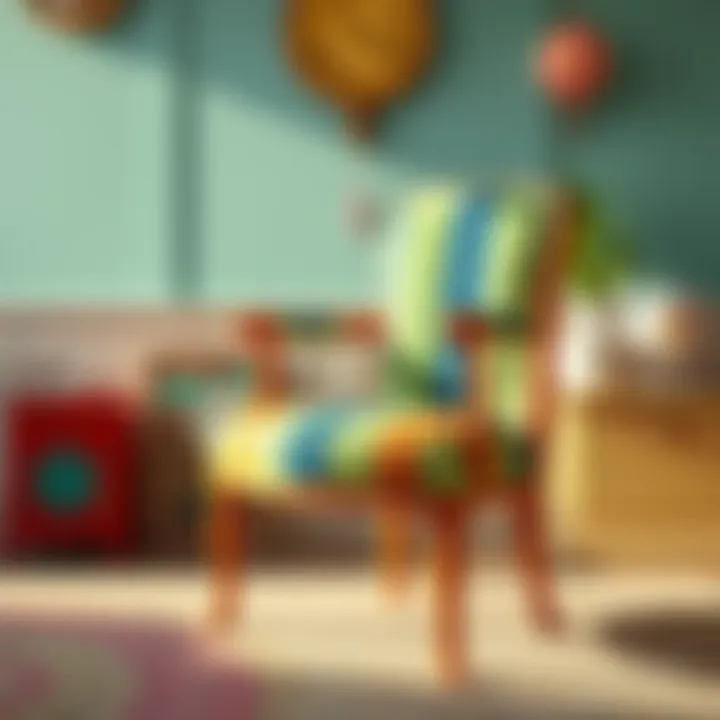
Achieving a harmonious blend between vintage and modern may sound like a daunting task, but by following a few key principles, it becomes easier. Start by selecting one or two standout vintage pieces, such as a charming wooden rocking chair or a beautifully crafted dresser. These pieces can serve as focal points in the room and set the tone for the entire space.
When placing these items, consider their intended function in the room. Allowing a vintage piece to fulfill its original purpose while pairing it with modern accessories and colors can create a dialogue between past and present. For instance, a vintage bed frame adorned with crisp, modern bedding creates a striking contrast that highlights the best of both worlds.
On top of that, it's important to keep a cohesive color palette throughout. Choosing complementary colors for walls, curtains, and other modern furniture can help create unity in the design while letting the vintage pieces shine as unique elements. Incorporating various textures, like soft linens and sturdy woods, adds depth and evokes a sense of comfort that resonates well with children.
"A well-balanced blend of old and new elevates spaces, inviting warmth and character while showcasing personal style."
Color Coordination and écor Tips
Color coordination is crucial when mixing vintage furniture with modern designs. Generally speaking, using an established color scheme helps in making the entire space feel well-thought-out and cohesive. Consider pastel hues, which were popular in many vintage items, to create a soothing atmosphere. These soft shades can be paired with bold modern accents that catch the eye without overshadowing your vintage treasures.
Here are some practical tips for effective color coordination:
- Choose a Base Color: This can often come from your vintage piece. A soft green from an old chair can dictate the surrounding hues.
- Add Accent Colors: Use brighter tones for modern accessories like cushions or rugs—but remember to keep them in line with the overall scheme.
- Mix Textures: Modern materials like acrylics or metals can contrast nicely against the deep woods of vintage furniture. This not only keeps the design fresh but also adds interest to the décor.
- Play with Patterns: If the vintage piece carries a distinctive pattern, select modern décor elements that either complement or softly contrast it, such as geometric wall art or striped curtains.
Finally, incorporating playful elements like unique wall decals or whimsical artwork can enhance the child-centric aspect of the room, making it a space of imagination while keeping the integrity of the vintage pieces intact. Remember, the goal is to make the room enjoyable and inviting, a true haven for creativity.
Where to Find Vintage Children's Furniture
Finding the right vintage children's furniture can be akin to searching for a needle in a haystack, especially with the vast array of options available today. The importance of knowing where to source these items cannot be overstated – it can significantly affect both the quality and character of the pieces one brings into their child's space. Vintage furniture pieces are not just decorative items; they tell a story, have a personality, and can inspire a child’s imagination. This section provides insights into discovering these timeless treasures, focusing on online marketplaces, local antique shops, thrift stores, and estate sales.
Online Marketplaces and Auction Sites
In the digital age, online marketplaces have become a treasure trove for vintage enthusiasts. Websites such as Etsy, eBay, and Chairish allow you to peruse an extensive selection of vintage children's furniture from the comfort of your couch. Here, you can find specific pieces that might not be accessible in your local area. With filters for price, condition, and style, these platforms are user-friendly and facilitate targeted searches.
One significant advantage of shopping online is the ability to compare prices and styles easily. Read reviews and check seller ratings before committing to a purchase, ensuring you buy from reliable sources. Furthermore, many sites offer buyer protection, which adds a layer of confidence to your transactions. However, always be critical and ask the seller about the piece’s history and condition to avoid unpleasant surprises.
Local Antique Shops and Thrift Stores
There's something remarkably special about wandering through local antique shops and thrift stores. These places often harbor unique finds and have more personality than the sterile aisles of large retailers. Antique shops, in particular, might specialize in specific periods, potentially offering items that blend seamlessly into a vintage decor theme.
Thrift stores, on the other hand, can be hit-or-miss but can yield incredible surprises if you're patient. Keep your eyes peeled for local charities' thrift shops, as they might have vintage pieces sold at a fraction of the price. Moreover, staff at these local spots tend to be quite knowledgeable about their inventory and can point you toward hidden gems.
Visiting these shops also allows one to inspect the furniture personally, checking for quality, durability, and signs of wear. You may even engage in a little friendly bargaining, which adds a bit of excitement to the shopping experience.
Estate Sales and Flea Markets
Estate sales and flea markets are the wildcards in the search for vintage children's furniture. They often provide a mix of items that can offer outstanding value. Estate sales typically involve the total liquidation of a home, where you could uncover beautifully maintained pieces full of character. Flea markets, on the other hand, tend to be more eclectic and can result in finding a real standout item among the odds and ends.
When attending these events, it is helpful to get there early to have the best chance at snagging sought-after pieces. Bring measurements of your space and a keen eye for quality, as you may need to sift through lesser items to find the hidden treasures. Be ready to negotiate prices too; many sellers expect a haggling dialogue.
Remember, every vintage piece has a story. The hunt for it can be just as enjoyable as the treasure found.
In sum, wandering through various venues—whether online or in-person—opens up a world of possibilities. Finding vintage children's furniture could be a journey of discovery, breathing character and history into your child’s room, embracing the beauty of the past while nurturing future creativity.
Epilogue
In the world of vintage children's bedroom furniture, the conversation often centers on more than just aesthetics. This article reflects on the delightful intersection of nostalgia and practicality that vintage pieces bring to modern households. By exploring various styles, materials, and their historical significance, we discover that these furnishings do not merely serve a functional role; they also become a part of cherished childhood memories.
Reflections on Vintage Aesthetics for Children
Vintage furniture evokes a distinctive charm. As we navigate this topic, let’s focus on a few core elements:
- Emotional Resonance: Vintage pieces often remind us of simpler times. Parents and grandparents may find themselves reminiscing as they recognize patterns, colors, or designs from their own childhood. This emotional connection enriches children's living environments, making them feel not just like a place for rest but also for storytelling and connection.
- Quality Craftsmanship: Unlike many modern alternatives, vintage furniture often boasts high-quality materials and exceptional craftsmanship. In a world of mass production, well-constructed pieces stand the test of time and wear, making them durable companions for rambunctious little ones.
- Eclectic Personalization: The ability to blend various vintage styles allows parents to craft unique spaces that reflect individual tastes. It’s not just about finding a matching set; it’s about curating an atmosphere that encourages creativity and imagination.
"Vintage children's furniture is a vessel of nostalgia, inviting whispering dreams of the past into the present."
- Sustainability: Especially relevant today, choosing vintage means opting for sustainability and eco-friendliness. Instead of purchasing new items that contribute to waste, parents can opt for timeless pieces that come with their own stories, giving them an story akin to heirloom status.