Window Treatments for Enhanced Bedroom Aesthetics

Intro
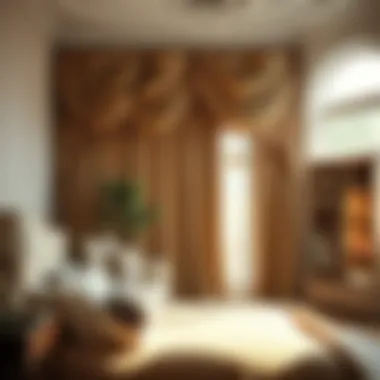
Selecting the right window treatments for your bedroom can be a make-or-break decision. It’s not just about aesthetics; it's about creating a sanctuary that offers comfort, privacy, and energy efficiency. A well-chosen window covering complements the bedroom's decor while serving functional purposes. From classic curtains to modern blinds, the choices are vast. Understanding these options allows homeowners and housewives alike to tailor their sleep environment to best meet their needs. This article aims to dissect the key aspects of window treatments, weaving through styles, materials, and functional benefits, to unveil a guide that empowers readers in their design journey.
Design Inspirations
When it comes to crafting a harmonious bedroom, window treatments can set the tone. They can illustrate style, frame the view, and control light. Today’s trends lean towards both functionality and artistry, wherein the treatments you choose can be striking yet practical. Here are some inspirations drawing from current aesthetics:
Latest Trends in Bedroom Design
Modern bedrooms often embrace minimalism, yet they blend in cozy elements to ensure comfort. Large, sheer panels can allow natural light to caress the room during the day while still offering a hint of privacy. Meanwhile, bold, dark shades might make a statement against light-colored walls and furnishings, creating depth and warmth. Integrating motifs from nature in fabrics—like leaf patterns—provides a calming influence, contributing to a restful atmosphere.
Color Palettes and Themes
Selecting the right colors can significantly influence the mood of a bedroom. Soft pastel colors create a tranquil environment, while deeper shades like navy or forest green evoke a sense of luxury and relaxation. Consider coordinating the window treatments with bedding and wall colors for a unified theme.
- Gray and Blush: A chic combination that adds sophistication.
- Navy and Gold: Bringing in a royal touch while remaining elegant.
- Earthy Tones: Greens and browns that connect the interior with the outdoors.
Functional Elements
Beyond the aesthetics, practicality plays an essential role in window treatment selections. Understanding space usage and light control can change the game in how you enjoy your bedroom.
Space Optimization Tips
In smaller bedrooms, opt for vertical blinds or curtains that draw upwards to create an illusion of height. Shutters can be a smart choice too, as they can be easily adjusted to control light without sacrificing privacy. Consider layering treatments—such as combining blinds with sheer curtains—to not only manage light but also to add visual interest.
Multi-Functional Furniture Choices
Integrating window treatments with furniture can clarify the bedroom’s purpose. For example, a bed surrounded by curtains can create a cozy nook, while a foldable desk next to a large window serves dual purposes: work and leisure. Innovations like Murphy beds can maximize space, allowing for flexibility in small layouts.
"The right window treatments can not only enhance the aesthetics of your bedroom but also serve vital functional roles, helping control light and privacy."
Finale
As you dive into the world of window treatments, keep in mind the blend of style, color, and practicality that will reflect your personal taste while enhancing your bedroom’s functionality. The options are wide, and with the right insights, you can transform your sleeping quarters into the retreat you've always dreamed of. For more in-depth information, check resources that delve into design principles and functionality at Wikipedia and Britannica.
Whether you’re looking for a quick fix or a complete makeover, understanding window treatments can lead to significant changes in your home. Think through the suggestions here and start crafting a bedroom that works for you.
Overview of Window Treatments
When considering the overall aesthetic and functionality of a bedroom, window treatments play a pivotal role. They are not mere decorative elements; rather, they serve multiple purposes. From controlling natural light to enhancing privacy, they are essential for crafting an environment that's both soothing and stylish. With a plethora of options available today, understanding the various types and their implications can be quite overwhelming, yet, that’s where this exploration comes into play.
Definition and Purpose
Window treatments refer to a variety of coverings used on windows, which can range from simple shades to elaborate draperies. Their primary purposes include:
- Light Control: They allow you to decide how much sunlight enters your space, which can affect mood and productivity.
- Privacy: Living in close proximity to neighbors or busy streets often necessitates a degree of privacy that can be achieved through the right treatments.
- Energy Efficiency: Certain treatments can help insulate rooms, keeping the heat in during winter and blocking the sun during summer.
- Aesthetic Appeal: Enhancing the visual design of a room, window coverings can tie together different elements of decor.
Understanding these definitions provides the foundation for selecting the right treatments. Each option comes with unique functionalities and aesthetic choices that cater to individual tastes and needs.
Importance of Bedroom Dynamics
The dynamics of a bedroom extend beyond the mere arrangement of furniture; it encompasses the ambiance created by various elements, notably window treatments. A well-thought-out choice of window coverings can dramatically enhance the overall feel of the room.
- Light Management: The flow of natural light influences the mood significantly. For instance, sheer curtains can soften harsh sunlight, creating a warm glow, while blackout blinds are crucial for those who prefer complete darkness during sleep.
- Cozy Atmosphere: The right window treatment can make a room feel more inviting. For example, heavy drapes can add a touch of luxury and warmth, whereas lightweight options promote a breezy, open feeling.
- Personal Expression: The bedroom often reflects personal style. Patterns, colors, and the type of treatment chosen can express individuality and preferences, making the space feel uniquely yours.
- Functional Benefits: Different window treatment types serve specific functions that can enhance daily life. Energy-efficient options can reduce heating and cooling costs, while layered treatments offer versatile light filtering and privacy solutions.
In summary, acknowledging the importance of window treatments in defining bedroom dynamics empowers homeowners to make informed choices that align with their lifestyle and design objectives. A carefully chosen treatment can transform not just the appearance but the experience of the room.
Types of Window Treatments
Choosing the right window treatment is like picking the right frame for a masterpiece; it enhances the overall beauty while serving fundamental purposes. In the bedroom, where we seek relaxation and peace, the right fit can make all the difference. These treatments do not merely block out the light; they play a crucial role in creating an atmosphere conducive to rest and rejuvenation. Whether it’s the soft flutter of curtains in the breeze or the rigid stance of blinds, each type brings unique benefits and considerations.
Curtains and Drapes
Materials and Fabrics
When it comes to curtains and drapes, material choice is generally the cornerstone of your decision. Options include linen, cotton, and synthetic blends, each contributing differently to aesthetics and functionality. Linen, for instance, is airy and soft but may crease easily, while cotton offers durability and easy maintenance. Synthetic fabrics often entrust themselves to fade resistance, which can be a game-changer in sun-kissed rooms. These materials shape the room’s thermal qualities, impacting how well they keep the warmth in during winter or coolness in summer.
In essence, understanding these fabrics isn’t just about going for what looks nice; it’s about knowing how they will affect your comfort in your personal haven.
Styles and Patterns
The style and pattern of your curtains or drapes speak volumes about your personality. There's a world of options, from bold floral prints to subdued solids that can effortlessly tie a room together. Choosing the right style contributes not only to visual interest but also harmony in the bedroom. An intricate pattern can serve as a focal point, while a more simplistic choice can offer a calming effect amidst a busy decor scheme. However, many find the challenge in balancing artistry with the functional aspects of handling fabric in frequent washes and maintenance, and personal taste often leads to a precarious tightrope walk.
Length and Customization
Length is crucial—as it determines how curtains interact with the room. Hemming them to the ideal length can significantly alter dimensions and create the illusion of higher ceilings or larger spaces. Additionally, customized options allow for a more tailored fit to your window frames. Yet, while customization often begets a more polished look, the process may also lead to added expense and longer wait times. Still, the right length can truly transform the mood, allowing you to accommodate your unique space perfectly.
Blinds

Vertical vs. Horizontal Blinds
When debating between vertical and horizontal blinds, consider how each aligns with your lifestyle and preferences. Vertical blinds work wonders for large windows or sliding doors, offering a modern look while simplifying light control. Horizontal blinds, on the other hand, suit smaller windows and provide a classic style. The choice ultimately hinges on functionality; verticals excel in privacy for expansive glass areas, whereas horizontals are practical for adjusting light in intimate settings. If ease of cleaning is a priority, horizontal blinds typically win since they don’t collect dust as readily as their vertical cousins.
Material Options
The material options for blinds range widely, from wood to aluminum, each with their own merits. Wood blinds can add warmth and beauty but require maintenance to avoid warping in humid conditions. Aluminum, however, is lightweight and considerably easier to care for, making it a favored choice for many. When considering the right material, think about what fits your functional needs and aesthetic desires without stretching your budget too thin.
Functional Benefits
Functionality is where blinds truly steal the show. They offer precise light control and can even contribute to energy efficiency. Some varieties come with insulating features that help maintain consistent room temperatures, ultimately aiding in reducing energy costs. The ability to tilt and lift blinds allows for versatility in how much sunlight filters in, which can be particularly useful during the harsh summer sun.
Shades
Roller Shades
A go-to in modern interiors are roller shades. Their simplicity and elegance cater to today’s minimalist tastes—they can roll up for unobstructed views or down for that much-needed privacy. Available in various colors and opacities, roller shades can adapt to many styles and preferences. One of their advantages is that they're easy to operate, often with a simple pull mechanism. However, they may lack the decorative flair that other options provide, leaving something to be desired if your goal is pure aesthetics.
Roman Shades
Offering a beautiful blend of form and function, Roman shades provide sophistication in various fabrics—from sheer to blackout. When lifted, they create soft folds that contribute a touch of elegance while being practical for light control. The downside is that they require regular cleaning, which can detract from their appeal to some homeowners. They certainly shine in an aesthetic layout, integrating well with other design elements.
Cellular Shades
Known for their unique honeycomb structure, cellular shades are brilliant for energy saving. Their design traps air, creating insulation that keeps heating bills in check during winter months and cool air in during hot weather. This efficiency is a selling point for anyone conscious about energy consumption. Yet, cellular shades may not offer the same level of design flair as curtains or drapes, and some might find their styling limited.
Shutters
Interior vs. Exterior Shutters
Shutters come in two main types: interior and exterior. Interior shutters cater well for light control and privacy within the home, with timeless appeal and versatility in style. Exterior shutters, while typically added for aesthetic purposes, can benefit your home with additional security and weather protection. When weighing options, consider whether you prioritize spending time on aesthetics or practical benefits; this will guide you toward the right choice.
Style Variations
From plantation to traditional styles, shutters are available in various shapes and methods of operation. Plantation shutters provide generous slats for excellent control of light, while traditional shutters often feature classic designs that evoke a sense of timelessness. Both offer distinct advantages; style variations can deeply influence the ambiance of the room while enhancing symmetry in window designs.
Longevity and Maintenance
Shutters’ primary advantage lies in their durability. Made typically from wood or composite materials, they can last for years with minimal maintenance. Regular dusting is generally all that's required to keep them looking fresh. Unlike curtains, which can wear out and fade over time, shutters stand the test of time, making them a wise investment for those wanting sustainability in their window treatments.
Materials and Textures
When it comes to window treatments, the materials and textures you choose can dramatically reshape the aesthetic and functional profile of your bedroom. Not just about appearances, the fabric can influence everything from how light filters into your space, to energy efficiency and even your mood. Varied textures can evoke feelings of warmth or coolness, transforming the entire ambiance. Choosing the right materials can enhance privacy, regulate temperature, and provide insulation, while also allowing you to express your personal style through distinct patterns and colors. With the right selection, window treatments become not only practical assets but also artistic contributors to your overall decor.
Natural Fabrics
Linen
Linen has a charm that can't be easily replicated. Its breathability makes it a favorable choice, especially in warmer climates, where airflow is paramount. This fabric generally features a slightly crisp texture, offering both sophistication and a touch of casual ease to your bedroom. One of the key characteristics of linen is its natural resistance to dirt and mold. As a beneficial choice, it requires little maintenance, which is a big plus for busy households.
However, linen can be prone to wrinkling, so that may be something to consider if you prefer a more polished look. Still, the wrinkles lend a character to its beauty, making it feel more relaxed and welcoming. It's an excellent fabric when you want your windows to frame the view but not dominate the room.
Cotton
Cotton reigns supreme as one of the most popular choices for window treatments. It's versatile, durable, and easy to clean, making it the go-to fabric for many homeowners. The key characteristics of cotton are its softness and longevity. Available in a wide variety of colors and prints, cotton can seamlessly complement almost any bedroom theme. It offers a more tailored appearance compared to linen and retains shapes better, minimizing the need for upkeep.
On the downside, cotton might not provide as much insulation as other options. It can let in a bit more light than those seeking complete darkness might want. Nonetheless, its affordability and ease of care often outweigh these minor drawbacks.
Wool
When looking for something a bit more luxurious, wool cannot be dismissed. It is renowned for its insulating properties, which can help regulate room temperature throughout the seasons. Wool also adds a lovely texture that brings a sense of coziness to the bedroom. Its unique feature is its natural resistance to wrinkling and soiling, which can be a real lifesaver.
However, wool can be a more costly investment compared to cotton or linen. Additionally, if you're sensitive to heat, you might find it a touch too warm in the summer months. With its rich, earthy aesthetic, wool is a standout option if you want to create a comfortable retreat in your space.
Synthetic Options
Polyester
Polyester is often favored for its durability. This synthetic material can stand up to fading and wrinkling, making it a reliable option for window treatments in high sunlit areas. The key characteristic of polyester is its resilience; it maintains its shape, which is crucial for those who desire long-lasting window treatments. Select polyester fabrics for their ease of care, as they can usually be machine washed without much hassle.
Despite these advantages, polyester may lack the breathability of natural fabrics like cotton or linen, potentially leading to warmer temperatures. Still, if you prioritize practicality over organic feel, polyester can serve you well.
Nylon
Nylon takes durability a step further. Light and tough, it's great for those who like fuss-free window treatments. Known for its sheer toughness, the key characteristic of nylon is its ability to resist tearing and snagging. Nylon blends seamlessly into modern design, complementing contemporary aesthetics.
That being said, it might not be the softest option you’ll find. Some may find its texture less appealing compared to natural alternatives. However, if you’re looking for a budget-friendly and long-lasting fabric, this choice can be a winner in any bedroom setup.
Blends
Fabric blends can offer the best of both worlds. A combination of natural and synthetic materials can provide a unique mixture of durability, texture, and appearance. Blends often incorporate both the softness of cotton or wool and the tough resilience of polyester. The unique feature here is versatility; they can be engineered to match specific needs, whether that’s drapability or light-filtering.
However, the downside is that blended materials can vary widely in quality. It’s essential to evaluate specific products individually. Yet for many, blends present a practical and aesthetic solution for their window treatment needs, as they tend to be available in numerous styles and patterns.
Wood and Faux Wood
Sustainability Considerations
When diving into window treatments, the sustainability of materials used cannot be overlooked. Natural wood brings an organic feel, connecting your living space with nature. Sustainability considerations draw many eco-conscious homeowners towards responsibly sourced options. Choosing sustainably harvested wood helps support forests while offering a timeless beauty that enhances any room’s decor.
However, sourcing sustainable wood can often come at a higher price. Faux wood offers a more affordable alternative with admirable aesthetics but less environmental impact.

Insulation Properties
Alongside their beauty, wood and faux wood options provide excellent insulating properties. This characteristic ensures that your room maintains a comfortable temperature year-round by blocking unwanted heat and cold from entering. Using treated wood helps to prevent drafts and can significantly improve energy efficiency in your bedroom.
On the flip side, genuine wood can warp if not properly maintained in humid environments, while faux wood lacks the same natural warmth. Nonetheless, their insulation benefits are a significant plus, making them valuable additions to any bedroom.
Choosing the right materials and textures for your window treatments can create a perfect balance between functionality and aesthetics. It's about what works best for you.
Functional Considerations
Window treatments go beyond mere aesthetics; they play a crucial role in enhancing the bedroom's functionality. Understanding how window coverings affect light, privacy, and energy efficiency can not only help in making informed choices but also impact your overall comfort and satisfaction within the space.
Light Control
Blackout Options
Blackout options have gained popularity for a reason—they effectively block out external light, creating a dark sanctuary perfect for sleep. These window treatments are lined with dense fabric that prevents any sunlight from seeping through, making them ideal for nighttime slumbers or afternoon naps.
One key characteristic of blackout options is their ability to significantly reduce outside noise, wrapping you in a cocoon of silence. This feature can be particularly advantageous if you live in a bustling area where streetlights and sounds often disrupt your peace. However, while they offer excellent light control, blackout options can limit the styles available, often leaning towards a more functional look rather than a decorative one.
Light Filtering
Conversely, light-filtering treatments allow for a softer glow in the room. They permit natural light to enter while diffusing it, thus creating a warm, inviting atmosphere. This type of treatment can enhance the beauty of your room without sacrificing an ounce of brightness.
The standout feature of light-filtering options is versatility. They can be paired with other treatments, such as blackout shades, to achieve a layered look, addressing both aesthetics and functionality in one go. On the flipside, while they protect your privacy during daylight, they may not offer the same level of seclusion during the night.
Privacy
Layering Techniques
Layering techniques have become a go-to for those seeking both style and substance when it comes to privacy. By combining different types of window treatments, such as sheer drapes paired with heavier curtains, you can achieve a sophisticated visual appeal while enhancing your home's privacy.
The key characteristic here is adaptability. Depending on your needs, you can adjust the layers to allow just enough light while keeping prying eyes out. This flexibility makes layering a popular option for home decorators. However, it can sometimes result in more maintenance, as multiple treatments require occasional cleaning and adjustments.
Choosing the Right Treatment for Your Needs
Selecting the right treatment is of paramount importance in achieving desired privacy levels. You may wish to consider factors such as the direction your windows face and how close your neighbors are. A heavy drapery might be perfect for a window facing the street, but a light sheer may suffice for a secluded backyard view.
The unique feature of customizing your choice allows you to align the treatment with your specific lifestyle. For instance, a busy lifestyle may warrant the convenience of roller shades that can be quickly adjusted. On the contrary, if you prefer a more decorative approach, you might explore intricate designs that serve both beauty and function. It's essential to weigh pros and cons; while some treatments may be affordable, they might lack the durability needed in high-traffic areas.
Energy Efficiency
Insulated Treatments
In an age where energy costs can be daunting, insulated treatments provide a savvy option. These window coverings are designed to mitigate heat loss during colder months and reduce heat gain in the summer, contributing to lower energy costs.
The notable characteristic of insulated treatments is their multi-layered design that creates an air barrier. This barrier can keep your space comfortably temperate without over-relying on heating or cooling systems. While the initial cost may be higher, the long-term savings on energy bills can be significant, making this a beneficial investment.
Window Films
Window films are another practical choice that enhances energy efficiency without altering your existing window hardware. These thin layers applied directly to glass can reflect heat away during the hot months while preserving the privacy you desire.
The key advantage of window films lies in their ease of installation. Many homeowners opt for a DIY approach, which not only saves money but also allows for personal customization. On the downside, though, films can wear out quicker and might need replacement after a few years, which is a consideration for long-term planning.
Aesthetic Integration
In the realm of home decor, especially in a bedroom setting, aesthetic integration is a crucial aspect to consider. It represents the harmonious blend of style, color, and texture, creating a space that feels cohesive and inviting. After all, a bedroom is not merely a sleeping area; it serves as a personal sanctuary where one unwinds after a long day. Therefore, understanding how to seamlessly integrate window treatments into the overall design is essential for achieving the desired emotional atmosphere and visual appeal.
Cohesive Design Themes
Color Coordination
Color coordination plays a pivotal roll in enhancing the bedroom's ambiance. This aspect involves selecting hues that either complement or contrast with your existing color palette. For instance, if your walls are painted a soft pastel, opting for window treatments in deeper or richer shades can add depth without overwhelming the space. A well-coordinated color scheme promotes tranquility and sophistication, which is often sought after in bedroom designs.
Additionally, one distinctive feature of color coordination is its ability to guide the eye throughout the room. When colors are thoughtfully matched, they create a visual flow that unifies the elements rather than fragmenting them.
However, choosing colors can sometimes be a double-edged sword. While cohesive colors invite calmness, bold, mismatched choices risk creating visual chaos. Striking the right balance is key.
Patterns and Textures
Patterns and textures introduce an additional layer of depth to your window treatments, offering a tactile and visual interest that plain fabrics might lack. For example, floral patterns can infuse a sense of warmth and create a romantic setting, while geometric designs might lend a more modern edge. Textural variety, whether through soft linens or rich velvets, enhances the sensory experience and adds warmth.
The unique trait of integrating patterns and textures lies in their ability to foster curiosity and engagement within the space. When someone enters a well-designed bedroom featuring these elements, they are often drawn to explore the contrasts and nuances closely.

On the downside, however, it's vital to avoid overwhelming the room. Too many bold patterns can clash and distract from the primary purpose of the space—rest and relaxation. A delicate balance is essential to allow patterns to enhance rather than dominate.
Statement Pieces
Choosing Bold Designs
Opting for bold designs in window treatments can significantly impact the overall aesthetic of a bedroom. Such designs often function as focal points, drawing immediate attention and setting the tone for the rest of the space. For instance, an oversized print or a striking geometric pattern can render the room as lively and vibrant, while still being practical. This approach is ideal for individuals looking to express their personality through their living space.
A key feature of choosing bold designs is the element of surprise. They can create a dramatic effect that immediately piques interest. Nevertheless, one must tread carefully; while boldness can be captivating, it can equally be overpowering if not executed thoughtfully.
Impact on Room Atmosphere
The impact bold designs have on room atmosphere cannot be underestimated. A thought-provoking pattern or a vivid color can evoke emotions and set the mood within the room. For example, a deep red or navy blue might instill a sense of coziness and intimacy, while lighter tones may foster openness and serenity.
One unique aspect of this is how it affects the perception of space. Darker colors might make a large room feel cozier, whereas bright hues can make a smaller room feel airier and more expansive. However, the challenge lies in finding the perfect bold choice that complements both the room's functionality and overall design.
"The right window treatment can transform the ordinary into the extraordinary, intertwining beauty with functionality."
Installation and Maintenance
Ensuring that your window treatments are not only aesthetically pleasing but also functionally effective is essential for creating a welcoming bedroom atmosphere. The process of installation and the subsequent maintenance of window coverings can significantly impact their overall performance and longevity. Understanding the nuances of these elements helps homeowners make informed decisions that enhance both the beauty and functionality of their spaces.
DIY Installation vs. Professional Help
Choosing between installing window treatments yourself or hiring a professional can be a bit of a minefield. Each option has its merits, popular among different folks.
Tools Required
When you're looking into DIY installation, the tools you need can be straightforward. Basic items like a screwdriver, measuring tape, and level are typically required. What makes this setup beneficial is its simplicity—most homeowners already own these tools, or they’re quite easy to acquire from a local hardware store.
- Key Characteristics: The ease of use and accessibility of basic tools can make DIY installation appealing. You can tackle it at your own pace, weaving it into your busy schedule.
- Unique Features: These tools give you a hands-on approach to your home decor. Measuring accurately allows for precision; no one wants wonky curtains! However, a disadvantage is that if you're uncertain about your skills, those handy tools might not eliminate the risk of mistakes.
Cost-Benefit Analysis
A thorough cost-benefit analysis helps homeowners navigate the waters of DIY versus professional help. The key here lies in weighing the financial aspects against the potential for hassle.
- Key Characteristics: DIY installations can save a significant chunk of change, as you're eliminating labor costs. Plus, there's a sense of achievement that often comes with successfully completing a project.
- Unique Features: However, while a DIY project seems suitable for your pocketbook, think about the time commitment involved. Mistakes can lead to costly re-dos. If you’re short on time or confidence, hiring a pro might just allow for a stress-free installation that, in the grand scheme, saves you time and, potentially, money.
Cleaning and Care Tips
Proper maintenance extends the life of your window treatments and keeps them looking fresh. Understanding how frequently you should clean them, as well as specific care instructions based on materials, can lead to a well-maintained, appealing bedroom.
Frequency of Cleaning
How often you clean your window treatments can greatly affect their appearance and longevity. Generally, a light dusting every few weeks, followed by a deeper cleaning every few months, is the way to go.
- Key Characteristics: Regular cleaning helps prevent dust buildup, which can trigger allergies or interfere with the beauty of fabric patterns.
- Unique Features: On the flip side, over-cleaning can lead to wear and tear. Finding that right balance is essential. as fabric types, from sheer to thick, handle cleaning differently.
Material-Specific Care
Each material requires a tailored approach to cleaning—what works for cotton may not be suitable for faux wood or sheer silk. Understanding these nuances is crucial in maintaining the integrity of your window treatments.
- Key Characteristics: Knowing the right detergent or cleaning technique for each material is beneficial, allowing you to preserve their vibrant colors and textures.
- Unique Features: On the flip side, getting this wrong can lead to fading or fraying. Familiarizing yourself with care instructions can save you from costly replacements and unfriendly surprises down the road.
In summary, understanding the facets of installation and maintenance contributes significantly to maximizing the utility and aesthetics of window treatments in your bedroom. From choosing DIY or calling in a pro to understanding material care, each step plays its part in the bigger picture of home decor.
Trends in Bedroom Window Treatments
In an age where aesthetics and functionality are equally paramount, the trends in bedroom window treatments reveal a delightful interplay of style, sustainability, and technological advancements. Keeping abreast of these trends can inform homeowners and decorators alike about the latest offerings that can enhance comfort and visual appeal.
As discussions around interior design evolve, window treatments have transcended their basic purpose. They are now seen as integral to a room’s overall design narrative. Understanding the latest trends can help you craft a space that mirrors contemporary taste yet remains firmly rooted in individual style preferences.
Innovative Design Approaches
One emerging trend is the movement towards layered window treatments. This involves combining elements such as sheer curtains with heavier drapes. The visual dynamics created here not only add depth to a room but also allow for greater control over light and privacy. You can play around with textures and colors while keeping functional needs in mind. Choosing to layer can also transform your window into a focal point, providing a personal touch that reflects your style.
"Layering different treatments allows for creativity while addressing specific light and privacy needs."
Another innovative approach is the use of smart technology with window treatments. Motorized blinds and shades offer convenience that was unheard of in the past. Imagine adjusting your blinds with just a tap on your phone or setting them to open and close according to the time of day. This blend of style and tech not only makes life easier but also reinforces a modern aesthetic that many homeowners gravitate toward.
Some folks are also gravitating towards bold patterns and colors. Instead of sticking to neutral shades, many bedroom designs are seeing striking geometric patterns and vibrant hues that serve to energize a space. Not all bedrooms need to be serene sanctuaries; sometimes an adventurous flair adds much-needed personality.
Eco-Friendly Options
Eco-friendly window treatment options are taking the market by storm, fueled by increasing concerns about sustainability and energy efficiency. Natural materials such as bamboo and organic cotton are becoming popular choices. These materials not only reduce your carbon footprint but also bring warmth and texture into a bedroom environment. The earthy feel of bamboo shades, for instance, contributes to a calming atmosphere, while being fully biodegradable.
Furthermore, window films represent an innovative eco-friendly choice. These see-through coverings can block harmful UV rays while reducing heat buildup, allowing you to maintain a comfortable indoor climate without excessive energy consumption. Many films are available in an array of styles, from decorative designs to frosted finishes, which can enhance privacy without sacrificing light.
Lastly, energy-efficient options like thermal curtains or cellular shades are gaining traction. These treatments trap air and provide insulation, helping to keep your home comfortable year-round and reduce reliance on heating and cooling systems. It’s not just a win for your utility bill; it’s a conscious choice that contributes to environmental sustainability.